作者: admin

  • Speaker Holness participating in ParlAmericas Assembly in Canada

    Speaker Holness participating in ParlAmericas Assembly in Canada

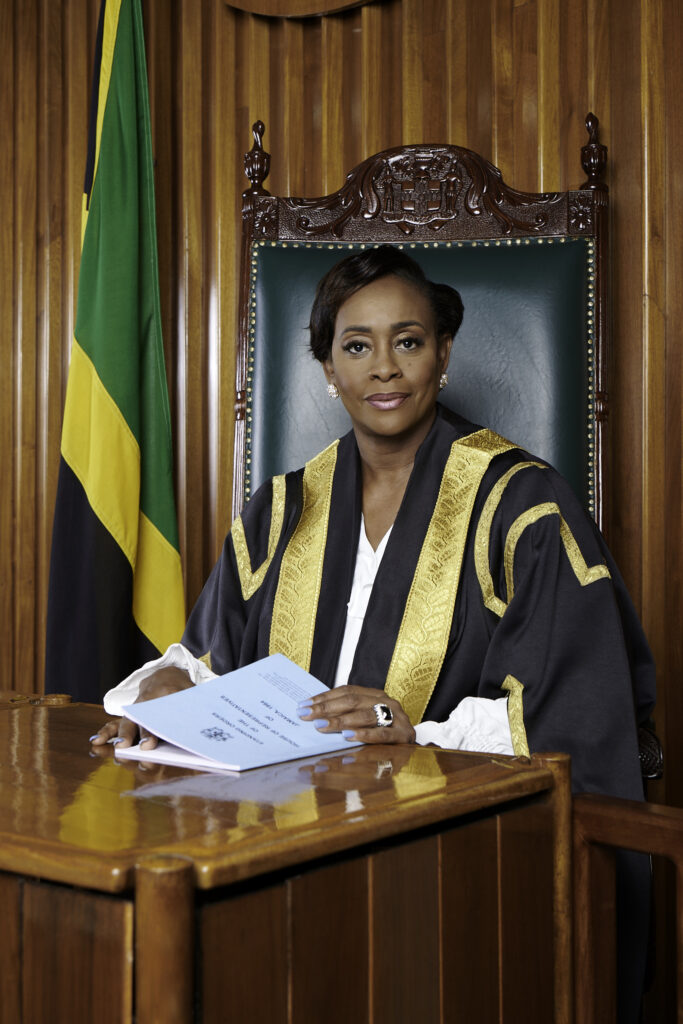
    OTTAWA, Canada – Jamaica’s Speaker of the House of Representatives, Juliet Holness, is currently carrying out an official working visit to Canada, where she is taking part in two key regional parliamentary gatherings hosted in the nation’s capital: the 22nd ParlAmericas Plenary Assembly and the 10th Gathering of the Open Parliament Network. The five-day events, running from May 18 to 22, are convened under the central theme “Parliamentary Leadership for Shared Prosperity: Advancing Trade, Innovation, and Security in a Changing World”.

    This year’s gatherings have drawn hundreds of parliamentary leaders and elected delegates from every corner of the Americas, creating a collaborative space to address pressing cross-cutting issues ranging from inclusive regional development to the reinforcement of democratic governance across the hemisphere. Holness is joined on the trip by Colleen Lowe, Clerk to the Houses of Jamaica, who will support her engagement throughout the scheduled activities.

    Over the course of the assembly, Holness is set to contribute to a full slate of high-level dialogues and structured parliamentary discussions. Key topics on her agenda include expanding hemispheric and regional trade integration, advancing open parliament transparency initiatives, progressing toward United Nations-led sustainable development goals, boosting youth inclusion in political processes, and shoring up the institutional foundations of democratic governance across the region.

    Beyond her forum participation, Holness has a scheduled formal courtesy call with Francis Scarpaleggia, the Speaker of the House of Commons of Canada. During that bilateral meeting, the two legislative leaders will focus their talks on deepening existing parliamentary cooperation ties between the governments of Jamaica and Canada, exploring new areas for mutual collaboration.

    In prepared remarks ahead of the conference, Holness emphasized Jamaica’s long-standing dedication to strengthening democratic governance at home and expanding collaborative partnerships across the Americas. “Jamaica’s participation in the ParlAmericas Assembly reflects our continued commitment to strengthening democratic governance and advancing regional cooperation,” she said. “These discussions are especially important as we work collectively to address shared challenges and build resilient and sustainable societies.”

    Following the conclusion of all scheduled events in Ottawa, Holness is projected to return to her home jurisdiction in Jamaica on May 24, 2026.

  • Santiago de los Caballeros launches plan to modernize tourist horse-drawn carriages

    Santiago de los Caballeros launches plan to modernize tourist horse-drawn carriages

    In the Dominican Republic’s northern city of Santiago de los Caballeros, local municipal authorities have launched a groundbreaking new initiative designed to protect one of the city’s most cherished cultural legacies while addressing longstanding concerns over animal care and worker livelihoods. Titled “Tourist Carriages: Tradition, Well-Being and Protection”, the project marks a balanced approach to preserving a centuries-old iconic attraction that draws cultural tourists to the city, while updating outdated operating practices to meet modern animal welfare standards and support the generations of coachmen who rely on the trade for income.

    The program was formally introduced by Iris Cepín de Rodríguez at a public launch event, where she framed the initiative as a necessary response to the dual nature of horse-drawn tourism in Santiago. “The horse-drawn carriages of Santiago are part of our cultural identity and history, but they also represent an important social and urban challenge,” Cepín de Rodríguez noted. To address these challenges, the project establishes a clear set of binding rules for all operators, including designated authorized routes, mandatory regular veterinary check-ins for all working horses, strictly regulated work hours, specialized training for carriage drivers, and enforceable penalties for any documented cases of animal abuse.

    Deputy Mayor Mariana Moreno outlined the key structural changes the program will roll out to reduce strain on working animals. A core adjustment is the implementation of shorter, more manageable routes and structured, limited operating hours that cut down on overwork. Looking ahead, the municipal government also plans to gradually introduce electric or motorized support systems to further reduce the physical burden on horses. Beyond animal welfare, the initiative includes a dedicated social assistance component designed to support coachmen and their families, many of whom have long struggled with economic instability and limited access to health resources.

    Veterinarian Horacio Ceballos reported that the first phase of animal care has already been completed in the Bella Vista neighborhood, where more than 20 working horses received essential preventive care including vitamin supplements and deworming treatments. Another key welfare adjustment being rolled out is a shift in working schedules that prohibits horses from operating during the hottest midday hours, when heat exposure poses a major health risk to the animals.

    The multi-stakeholder project has brought together a cross-disciplinary team of experts to ensure its success, including legal specialists to draft and enforce regulations, experienced veterinarians to lead animal care, urban planners to map safe, appropriate routes, and sustainability specialists to guide the transition to lower-impact operations. Local tourism bodies VISIT Santiago and the Santiago Tourism Cluster have also thrown their support behind the initiative. Municipal leaders emphasize that the program’s ultimate goal is to deliver shared benefits: safeguarding a beloved cultural tradition for future generations, ensuring humane living and working conditions for the horses at the heart of the attraction, and lifting economic outcomes for the coachmen who keep the tradition alive.

  • Uruguayan energy expert to share insights at Maurice Facey Lecture

    Uruguayan energy expert to share insights at Maurice Facey Lecture

    KINGSTON, Jamaica — Jamaica’s energy sector is poised for a landmark conversation this June, as one of the world’s most successful clean energy transition trailblazers prepares to headline the sixth annual Maurice Facey Lecture, scheduled for June 10, 2026. The public event, set to kick off at 4:00 pm at the Jamaica Conference Centre, will center on the timely theme “Breaking the Grid: Charting Jamaica’s Path to Renewable Energy”, diving into the complex opportunities, obstacles and policy choices that will define the island nation’s clean energy future. Open to all attendees at no cost, the lecture arrives at a critical turning point for Jamaica’s energy ambitions. For decades, the country has grappled with an overreliance on imported fossil fuels, which currently supply nearly 88% of its total electricity generation. This dependence has left Jamaica exposed to volatile global fuel markets, pushed regional electricity prices to among the highest in the Caribbean, and exacerbated vulnerabilities to climate change that threaten the country’s power grid infrastructure. As a result, the push for energy independence has shifted from a long-term planning goal to an urgent national priority. To address these challenges, the Jamaican government has set an ambitious target to source 50% of its electricity from renewable sources by 2030. Industry and policy leaders broadly agree that hitting this target is a critical step to boost Jamaica’s international economic competitiveness, shore up long-term energy security, and bring much-needed relief from high energy costs for both households and businesses. To help the country navigate this transition, the 2026 lecture has drawn a keynote speaker with a proven track record of delivering transformative national energy reform: Dr. Ramón Méndez Galain, the internationally acclaimed energy transition expert who led Uruguay’s world-renowned shift to a nearly fully renewable electricity system. Dr. Méndez Galain’s work has earned global recognition, including a spot on Fortune magazine’s list of the 50 Greatest Leaders in the world, the 2023 Carnot Prize, and the 2025 Climate Breakthrough Award. His career in energy leadership began during his tenure as Uruguay’s national director of energy from 2008 to 2015, when he oversaw the country’s historic energy overhaul. When the transition was complete, 98% of Uruguay’s electricity came from renewable sources — with wind power accounting for roughly 40% of total generation — and the cost of producing electricity was cut by half. Today, Uruguay is held up as a global model for successful, affordable renewable energy adoption for small and medium-sized nations. Beyond his work leading Uruguay’s energy transition, Dr. Méndez Galain has served as Uruguay’s Secretary of Climate Change, where he played a central role in international negotiations for the Paris Climate Agreement. He has also held top roles at leading global climate and energy bodies, including Chairman of the Council of the International Renewable Energy Agency (IRENA) and board member of the Green Climate Fund (GCF). Since March 2025, he has served as President of REN21, the global network focused on advancing renewable energy policy, and leads Fundación Ivy, a nonpartisan think tank that advises governments and private sector groups on scaling up renewable adoption and implementing sustainable development strategies. Stephen Facey, Chairman of the Pan Jamaica Group and the C.B. Facey Foundation, which co-host the annual lecture series, emphasized that the event’s mission has always been to connect Jamaican audiences with world-leading expertise to spark actionable conversation about the country’s future. “Ramón’s experience demonstrates that ambitious renewable energy transition is achievable, even for relatively small nations, and his insights will be invaluable as Jamaica charts its own path forward,” Facey said. The Maurice Facey Lecture Series was launched in 2019 to honor the legacy of the late Maurice Facey, OJ, JP, a pioneering figure in Kingston’s modern urban development and a lifelong advocate for transformative progress across Jamaica. Each year, the series invites globally respected thought leaders to examine pressing issues tied to Jamaica’s long-term national development, and has grown into a leading high-level platform that bridges global innovation and local policy dialogue. It regularly draws audiences of senior government officials, private sector chief executives, urban planners, academic researchers, and international development practitioners. Beyond the main public lecture, event organizers have planned a full week of supplementary activities designed to facilitate deep, direct engagement between Dr. Méndez Galain and Jamaica’s key energy sector stakeholders. “We have structured a series of surrounding events around the lecture week designed to facilitate direct, high-touch dialogues between Dr Méndez Galain and key local stakeholders, policymakers and industry practitioners,” explained Gayon Douglas, Executive Director of the C.B. Facey Foundation. “Our goal is to ensure that his profound global experiences can serve as a practical resource as local leadership continues to shape and implement Jamaica’s sustainable energy strategies.” The 2026 lecture is co-hosted by the Pan Jamaica Group and the C.B. Facey Foundation, two organizations with longstanding commitments to advancing inclusive national development across Jamaica. This year’s event is supported by a roster of sponsors including ROK Hotel, the Caribbean Policy Research Institute, the Urban Development Corporation, the Jamaica Chamber of Commerce, and the Jamaican Institute of Architects.

  • Senior Customs officer faces 77 charges in $58k bribery case

    Senior Customs officer faces 77 charges in $58k bribery case

    A high-ranking official with the Bahamas Customs Department has been formally arraigned on dozens of serious corruption charges, marking a high-profile case of alleged public sector malfeasance in the island nation. Pamela Williams, a chief customs revenue officer who was stationed in Exuma during the period of the alleged offenses, appeared before Freeport Magistrate Uel Johnson on Tuesday to answer to 77 criminal counts connected to more than $58,000 in illicit payments solicited from a local Bahamas-based business and an American citizen.

    Court records detail that the alleged illegal activity unfolded over a two-year span, running from March 2023 through April 2025. The sprawling list of charges includes 19 counts of bribery, 19 counts of extortion, 19 counts of money laundering, 19 counts of fraud by false pretences, and one final count of fraudulent breach of trust. In total, prosecutors allege Williams wrongfully obtained $58,045: $56,320 from Coastal Systems Bahamas Ltd, and $1,725 from American national Geoffrey C Lawes.

    According to prosecution arguments, Williams leveraged her formal authority as a senior public servant to solicit the unauthorized payments, acting without legal justification or legitimate work-related purpose. For the extortion charges, prosecutors claim she intentionally secured multiple cheques made out directly to her from both entities, knowing she had no legal right to demand the funds.

    The money laundering charges center on allegations that Williams deliberately concealed the illicit proceeds by depositing the cheques into her personal Royal Bank of Canada accounts. Cheques from Coastal Systems Bahamas, totaling more than $56,320, were deposited into an RBC account held under her name, while three Bank of America cheques from Lawes were also moved into her personal Canadian bank account to hide the criminal origin of the funds, prosecutors say.

    On the fraud charges, the prosecution claims Williams obtained the cheques with clear intent to defraud both the Bahamas Customs Department and the Bahamian government, which are the rightful owners of all legitimate customs revenues.

    During the court hearing, it took Magistrate Johnson nearly an hour to read through the full list of 77 charges, requiring a mid-proceeding pause to drink water. Wearing light-wash jeans and a white blouse, Williams appeared composed throughout the lengthy proceeding, with relatives believed to be her sisters sitting quietly in the back of the courtroom. After the hearing concluded, Williams left the court building in a vehicle with a blanket pulled over her head to shield her from press and public view.

    Standard legal procedure meant Williams was not required to enter a formal plea at this initial hearing. Magistrate Johnson denied bail for Williams, though the court informed her defense attorney Ernie Wallace that he could file a subsequent bail application with the Bahamas Supreme Court. The case was prosecuted by Corporal Kenton Smith, and has been adjourned until September 26, when voluntary bill of indictment proceedings are scheduled to begin.

  • Ángel Martínez sentenced to suspended jail term

    Ángel Martínez sentenced to suspended jail term

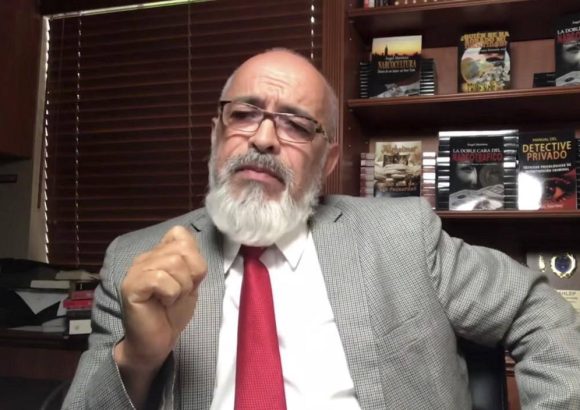
    In a legal ruling handed down Tuesday in Santo Domingo, Dominican Republic, prominent local broadcaster Ángel Martínez has been convicted on charges of defamation and slander against sitting congressman Sergio Moya, widely known by the nickname “Gory” Moya. Presiding Judge Clara Luz Almonte delivered the verdict, which handed down a three-month suspended prison sentence to Martínez and ordered him to pay 2 million Dominican pesos in civil restitution to the legislator.

    The conviction was grounded in Articles 21 and 22 of Law 53-07, the country’s landmark legislation addressing high technology crimes and digital offenses. This regulatory framework specifically imposes criminal and civil penalties for the distribution of defamatory, insulting content through electronic channels and digital social platforms, reflecting the Dominican Republic’s legal efforts to address harmful speech spread through modern digital communication tools.

    Beyond the suspended prison term and monetary award, the court’s ruling formalized the requirement that Martínez compensate Moya for lasting harm done to the congressman’s public image and professional reputation. The legal case originated from a series of unsubstantiated accusations the broadcaster made against the legislator, which ultimately led to the defamation suit that concluded this week.

  • JetBlue to suspend Newark flights to the Dominican Republic starting July 8

    JetBlue to suspend Newark flights to the Dominican Republic starting July 8

    Low-cost U.S. carrier JetBlue Airways has made a strategic announcement that will reshape its trans-Caribbean route network: starting July 8, 2026, the airline will permanently suspend nonstop services connecting Newark Liberty International Airport to two major Dominican Republic gateways, Las Américas International Airport near the capital Santo Domingo, and Punta Cana International Airport, the country’s top tourist hub. The company cited persistently low profitability on both routes as the core driver behind the decision.

    This route cut is not an isolated adjustment, but rather a key piece of JetBlue’s broader company-wide network restructuring initiative. The overarching goal of this overhaul is to boost overall operational efficiency and reallocate limited resources to high-demand markets that promise stronger long-term financial returns. Contrary to common assumptions that weak travel demand drags down route performance, JetBlue confirmed that both Newark-Dominican Republic routes maintained solid passenger occupancy even as they failed to hit the carrier’s financial targets.

    Industry analysis sheds light on the counterintuitive performance gap: over the most recent 12-month period, the Newark-Punta Cana route alone posted an average load factor of nearly 87%, a figure that actually outpaces JetBlue’s average load factor across its entire global network. This data points to underlying structural pressures rather than low traveler interest as the main causes of poor profitability. Industry observers highlight that steep airport operating costs at Newark Liberty International Airport, combined with cutthroat competitive pressure on routes to popular Caribbean leisure destinations, have eroded margin far more than the airline initially projected.

    JetBlue added that the decision also aligns with ongoing adjustments to address two ongoing industry-wide challenges: persistent aircraft fleet constraints that limit the carrier’s ability to expand or sustain underperforming routes, and broadly elevated operating expenses across major U.S. airport hubs. In an internal memo shared with staff, the airline emphasized that multiple routes operating out of Newark have failed to deliver the level of financial performance required to justify retaining them in the network, framing the adjustment as a necessary step to strengthen the company’s overall financial position going forward.

  • Banco BHD reports RD$200 million internal fraud, says customer funds are safe

    Banco BHD reports RD$200 million internal fraud, says customer funds are safe

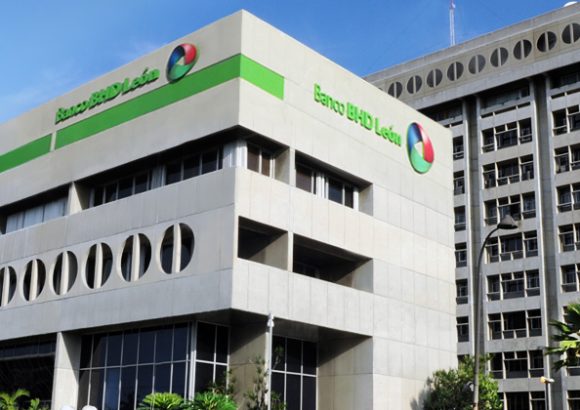
    A major Dominican financial institution has moved swiftly to contain fallout from a high-value internal fraud scheme, after uncovering unauthorized lending operations worth more than 200 million Dominican pesos (approximately $3.5 million). Banco BHD, one of the country’s leading banking groups, has publicly commended the Dominican Public Prosecutor’s Office and National Police for their rapid, professional response to the incident, which unfolded through a multi-stage investigation starting earlier this year.

    The illicit activity was first detected during a routine internal compliance review launched by the bank in March, according to official statements from the institution. The probe quickly traced the irregular transactions to a current employee, who investigators allege engineered a scheme to create fraudulent credit lines for external third parties. In exchange for processing these unauthorized loans, the employee is accused of receiving personal financial kickbacks. Following the confirmation of wrongdoing, Banco BHD immediately dismissed the employee from their position and moved forward with formal prosecution referral. Multiple external parties that allegedly received the misappropriated funds are also currently the subject of active investigation by law enforcement.

    In April 2026, Banco BHD submitted a formal criminal complaint to the Financial Crimes Investigation Unit of the National District Prosecutor’s Office, officially opening the public legal process. Consistent with regulatory requirements, bank leadership also notified the Superintendency of Banks of the Dominican Republic, the country’s top banking regulator, immediately after discovering the fraud, and has committed to full ongoing cooperation with all government authorities involved in the case.

    In a public statement reassuring stakeholders and customers, Banco BHD emphasized that all financial losses stemming from the scheme have been fully absorbed by the bank’s internal reserves. Institution representatives noted that the total loss amounts to only a minimal share of the bank’s annual net earnings, and stressed that no customer deposits or held funds have been impacted by the fraud. The bank reaffirmed its longstanding zero-tolerance policy for any form of unethical or fraudulent conduct within its operations, and restated its core commitment to maintaining full transparency, strict accountability, and the highest possible standards of corporate governance for all its activities across the Dominican Republic.

  • Prevention 360 conference highlights Dominican Republic’s seismic and climate risks

    Prevention 360 conference highlights Dominican Republic’s seismic and climate risks

    In the capital city of the Dominican Republic, Santo Domingo, a landmark risk-prevention summit named “Prevention 360” has convened leading specialists from across the world and the country, spanning the fields of geology, meteorology, and emergency response. The gathering was organized to carry out a comprehensive evaluation of the dual threats of seismic activity and climate-driven disasters that the Caribbean nation currently confronts.

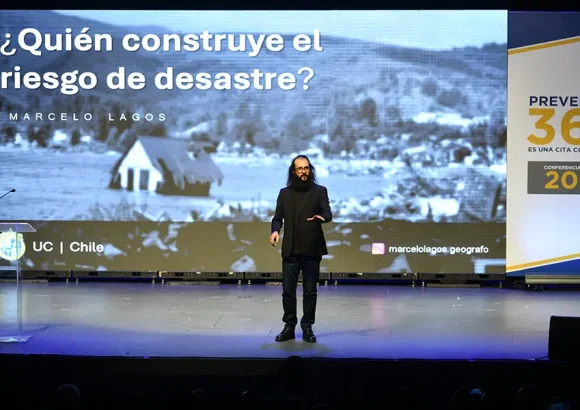
    Unlike routine academic conferences, this event centered its discussions on four high-priority areas that directly impact public safety: the vulnerability of dense urban centers to disasters, evidence-based land use planning, the structural resilience of buildings and critical infrastructure, and the urgent need to boost the general public’s disaster preparedness capabilities for major events including earthquakes, hurricanes, and flash floods. Distinguished international speakers headlined the summit: Marcelo Lagos, a prominent Chilean geographer; John Morales, a veteran meteorologist with decades of extreme weather forecasting experience; and Laís Pinto De Carvalho, an environmental psychologist. Each brought unique perspectives to the table, with their talks delving into the intersection of crisis response systems and human behavioral patterns when catastrophic events unfold.

    Local senior officials and technical experts also played a central role in the conference’s deliberations. Key participants included José Ignacio Paliza, Dominican geologist Osiris de León, and Juan Manuel Méndez, director of the country’s Emergency Operations Center (COE). During their presentations, they outlined the Dominican Republic’s existing capacities for local disaster response, while also drawing clear attention to the persistent challenges posed by aging infrastructure and uneven resource distribution across at-risk regions.

    aIn addition to seismic risk assessments, the conference repeatedly emphasized the escalating urgency of climate change impacts currently unfolding across the country. The Dominican Republic is currently grappling with record-breaking high temperatures, increasingly unpredictable rainfall patterns, and more frequent intense downpours that experts have linked to active tropical waves and abnormally warm surface temperatures in the Atlantic Ocean — trends that are expected to intensify in the coming years without targeted intervention.

  • PAHO, Google join forces to expand access to health info across Americas

    PAHO, Google join forces to expand access to health info across Americas

    A new landmark five-year strategic collaboration between the Pan American Health Organization (PAHO) and Google LLC is set to reshape public health communication and expand mental health advocacy across the entire Region of the Americas, including the Caribbean. The partnership combines PAHO’s decades of public health leadership and specialized technical knowledge with Google’s suite of world-leading digital platforms, most notably YouTube, to break down barriers and broaden public access to evidence-backed, reliable health information.

    At the core of the joint initiative is a firm commitment to accuracy and institutional trust. The collaboration will prioritize the distribution of fact-checked, verified health content—focused heavily on public health outreach and mental health promotion—while actively working to slow the spread of harmful health misinformation that has proliferated across online spaces in recent years.

    “This agreement reflects our commitment to meeting people where they are—with timely, trusted health information delivered through the platforms they use every day,” stated Jarbas Barbosa da Silva, Director of PAHO. He added that the combination of PAHO’s on-the-ground technical experience and Google’s unmatched global digital reach and culture of innovation will empower national health systems across the region to advance public health goals and challenge the persistent social stigma that surrounds conversations about mental health.

    The partnership will advance its goals through several key priorities. First, teams from both organizations will create dynamic, engaging multimedia content designed to resonate with diverse population groups. Second, the initiative will invest in strengthening regional digital literacy, helping communities better identify credible health information online. Finally, the collaboration will leverage cutting-edge emerging tools, including artificial intelligence, to reach underrepresented audiences that have historically faced gaps in health access—especially young people and marginalized, underserved communities.

    A central, foundational pillar of the five-year agreement is dedicated to advancing mental health promotion within digital ecosystems. Together, the two organizations will launch public awareness campaigns to challenge systemic stigma surrounding mental illness, encourage early intervention for at-risk individuals, and directly connect people experiencing mental health challenges to local, evidence-based support services. All content shared through participating digital platforms will adhere to strict accessibility standards, ethical guidelines, and scientific evidence requirements.

    Under the terms of the agreement, Google will work hand-in-hand with PAHO to develop and scale evidence-based health guidance and accessible educational content. Google will also lead ongoing efforts to enforce content accuracy standards across its platforms, ensuring that all public health and mental health material distributed through its services meets strict ethical and impact benchmarks.

    In addition to core outreach and content initiatives, the collaboration will also pilot innovative new approaches to content creation and distribution. These include building formal partnerships with popular digital creators who can help amplify trusted health messages to their audiences, as well as developing customized online training courses and self-guided mental health resources tailored to the unique public health needs of countries across the Americas.

    In a joint statement summarizing the partnership’s mission, the organizations noted that by combining the transformative power of modern technology with rigorous, evidence-based public health practice, PAHO and Google aim to fundamentally reimagine how health information is shared across the region. The ultimate goal of the collaboration is to ensure that every person in the Americas, regardless of location or background, can access the accurate health information and targeted support they need to build healthier lives.

  • Spiritual death

    Spiritual death

    In an impassioned address during Tuesday’s sectoral debate in Jamaica’s House of Representatives, Opposition health and wellness spokesperson Dr. Alfred Dawes has delivered a stark wake-up call to the nation, arguing that a growing “spiritual death” among Jamaicans is eroding the country’s core capacity for compassion and empathy toward its most vulnerable populations.

    Dawes framed Jamaica’s most pressing social struggles—from persistent violence to deep-seated inequality and rising division—as extending far beyond physical and mental health crises, rooted instead in a widespread collapse of collective spiritual well-being, what he calls the overlooked final pillar of overall public health. “I fear that we are losing our humanity because we have ignored the existence of our spiritual health,” he told lawmakers.

    Opening his reflection on the topic with reference to a recent high-profile fatal shooting that sparked national outrage, Dawes called out the violent incident that claimed the life of Latoya “Buju” Bulgin in Granville, St. James on Sunday. Footage of the shooting, which saw Bulgin shot dead by police and her body dragged from her vehicle by the feet like an animal carcass before being dumped into a police van, circulated widely across social and traditional media, shocking communities across the island. While Dawes acknowledged the need to allow due process to run its course, he emphasized that the incident laid bare a broader loss of moral bearing among those involved: “we all know what we saw, [and] what we saw was one woman losing her life and several men losing their humanity.”

    From that incident, Dr. Dawes expanded his critique to systemic patterns of desensitization across Jamaican society. He argued that growing political polarization has pushed many Jamaicans to set aside core moral values to prioritize partisan loyalty, with many now willing to excuse exploitation, abuse, and systemic inequality simply to uphold their political collective. “We have become polarised by party politics so much that some would defend the exploitation and abuse of others because our core desire to be a part of the party collective is greater than our God-instilled desire to defend the vulnerable,” he said.

    The spokesperson also targeted deepening class divisions and systemic social prejudice that dehumanize marginalized Jamaicans based on where they live, the color of their skin, and their economic status. By rationalizing this bias and reducing whole groups of people to “lesser beings,” Dawes said, Jamaicans are actively undermining their own collective and individual spiritual health.

    This spiritual rot, he added, does not only impact marginalized communities. Many outwardly successful Jamaicans, he noted, have become emotionally and spiritually disconnected from the suffering of people around them, prioritizing personal gain over collective good. “Too many Jamaicans are physically fit, mentally stable, but spiritually dead inside because they choose selfishness over service, prosperity over philanthropy, and politics over the people,” he explained.

    Dawes connected this national spiritual decline to broader failures across Jamaica’s public health system and social infrastructure, pointing to ongoing crises that have been left unaddressed by authorities: patients forced to sleep on cold hospital floors for lack of beds, and communities still grappling with unmet recovery needs nearly a year after Hurricane Melissa hit the island in October 2023. These systemic failures, he argued, are a direct reflection of the nation’s lost spiritual compass.

    To reverse this decline, Dawes called on Jamaicans to set aside narrow self-interest in favor of a unifying national purpose: lifting up the hopeless, amplifying the voices of the unheard, and dismantling the broken system that allows poor people to suffer while billions in public funds are misallocated or go missing.

    Even amid his grim assessment of the country’s current state, Dr. Dawes ended on a note of cautious hope, affirming his belief that Jamaicans still hold the innate compassion and resilience needed to turn the tide. Closing with a direct message to Jamaicans enduring ongoing hardship, he said: “To the patients sleeping in the emergency rooms tonight, don’t fret too much, because better will come. To the family praying for an ICU space, hold the faith, because better soon come.”