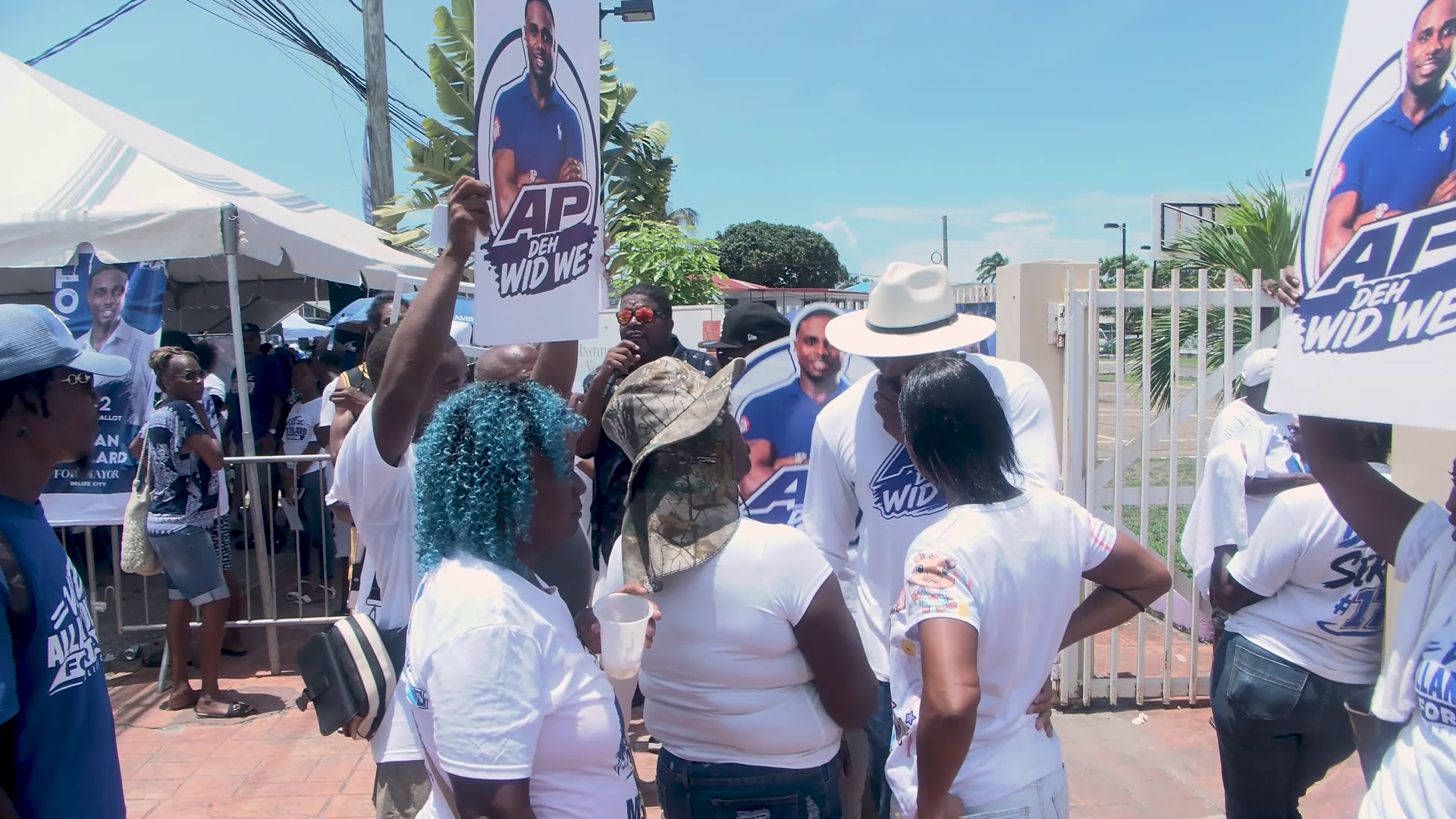
On November 27, 2026, a heated public debate has emerged in Belize surrounding the government’s newly announced $30 million infrastructure allocation earmarked for municipal-level projects, as critics question whether the large-scale investment is a genuine public welfare measure or a calculated partisan maneuver to sway voters ahead of upcoming national and local elections. The funding, which Prime Minister John Briceño confirmed is drawn from accumulated central government fiscal savings, is set to roll out across all urban and township jurisdictions nationwide, with portions already disbursed to kick off priority works including street resurfacing, storm drainage system modernization, and critical culvert replacement projects. Eluide Miller, the incumbent Deputy Mayor of Belize City and ruling People’s United Party (PUP) nominee for the city’s upcoming mayoral race, directly pushed back against the electioneering allegations in a public statement this week. Miller emphasized that consistent cross-term fiscal support from the central government to municipal bodies is standard operating practice, not a last-minute political gimmick. He noted that Belize City’s operational and infrastructure demands have surged steadily every electoral cycle, encompassing not just physical road and utility upgrades but also expanded social infrastructure mandates, while municipal revenue streams have failed to keep pace with growing service and maintenance costs. “This is not a new, one-off handout timed for votes,” Miller stressed. “The Government of Belize has a long track record of stepping in to fill resource gaps so we can deliver the basic services our residents deserve. We have an extensive backlog of critical works to complete across Belize City, and any additional support from the national level is deeply welcomed to help us move those projects forward faster for our communities.” Prime Minister Briceño’s office has further clarified that the disbursement schedule for the remaining allocated funds is tied to pre-approved project priority lists submitted by municipal administrations months before any election timelines were formally announced, in an effort to reinforce that the funding is rooted in long-standing public service planning rather than short-term political gain.