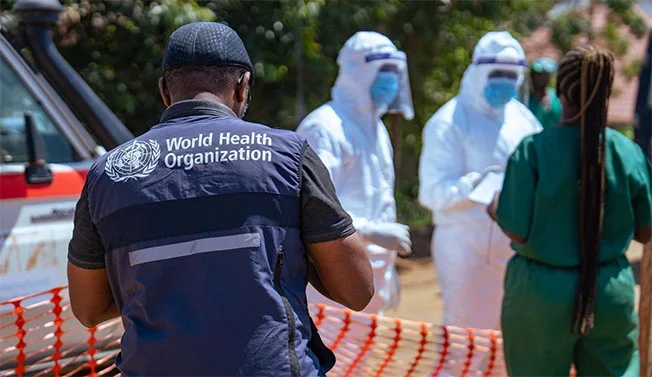
As of official government data released on Thursday, the ongoing Ebola epidemic in the Democratic Republic of the Congo (DRC) has continued its unrelenting spread, with confirmed infections climbing to 12,021 and total recorded fatalities reaching 5,904. First detected in May in the northeastern province of Ituri, the outbreak has now spread across 8 of the country’s 26 provincial jurisdictions, marking it the second largest and deadliest Ebola event ever documented globally. This ongoing health crisis is driven by the relatively rare Bundibugyo strain of the Ebola virus, for which no formally approved vaccines or targeted therapeutic treatments are currently available, creating an additional layer of challenge for frontline medical teams. Compounding these medical gaps are long-running armed conflicts across the DRC’s eastern territories, which have severely disrupted emergency aid delivery and systematic virus containment operations. Recent renewed clashes around Bunia, a central operational hub for national Ebola response efforts, forced the temporary evacuation of all local health personnel, crippling teams’ ability to trace confirmed cases and identify close contacts at risk of infection. The World Health Organization (WHO) has flagged three core, interconnected barriers slowing containment progress: the DRC’s chronically underfunded and underdeveloped public health infrastructure, pervasive community-level insecurity, and constant large-scale population displacement that breaks routine disease monitoring protocols. Global health authorities also warn that official case and death counts are almost certainly underrepresenting the true scale of the outbreak, as many rural communities lack access to formal medical registration and testing services. The WHO has classified the public health risk within the DRC as extremely high, and the outbreak retains its formal designation as a Public Health Emergency of International Concern (PHEIC). While isolated imported Ebola cases have been documented in neighboring Kenya and Nigeria, the UN health agency confirmed there is no evidence of sustained local community transmission outside DRC borders at this stage. WHO officials have repeatedly emphasized that coordinated cross-border surveillance, rapid early case detection, and expanded access to quality clinical care for infected patients are the only actionable strategies to stop the outbreak from spilling over further across regional boundaries.