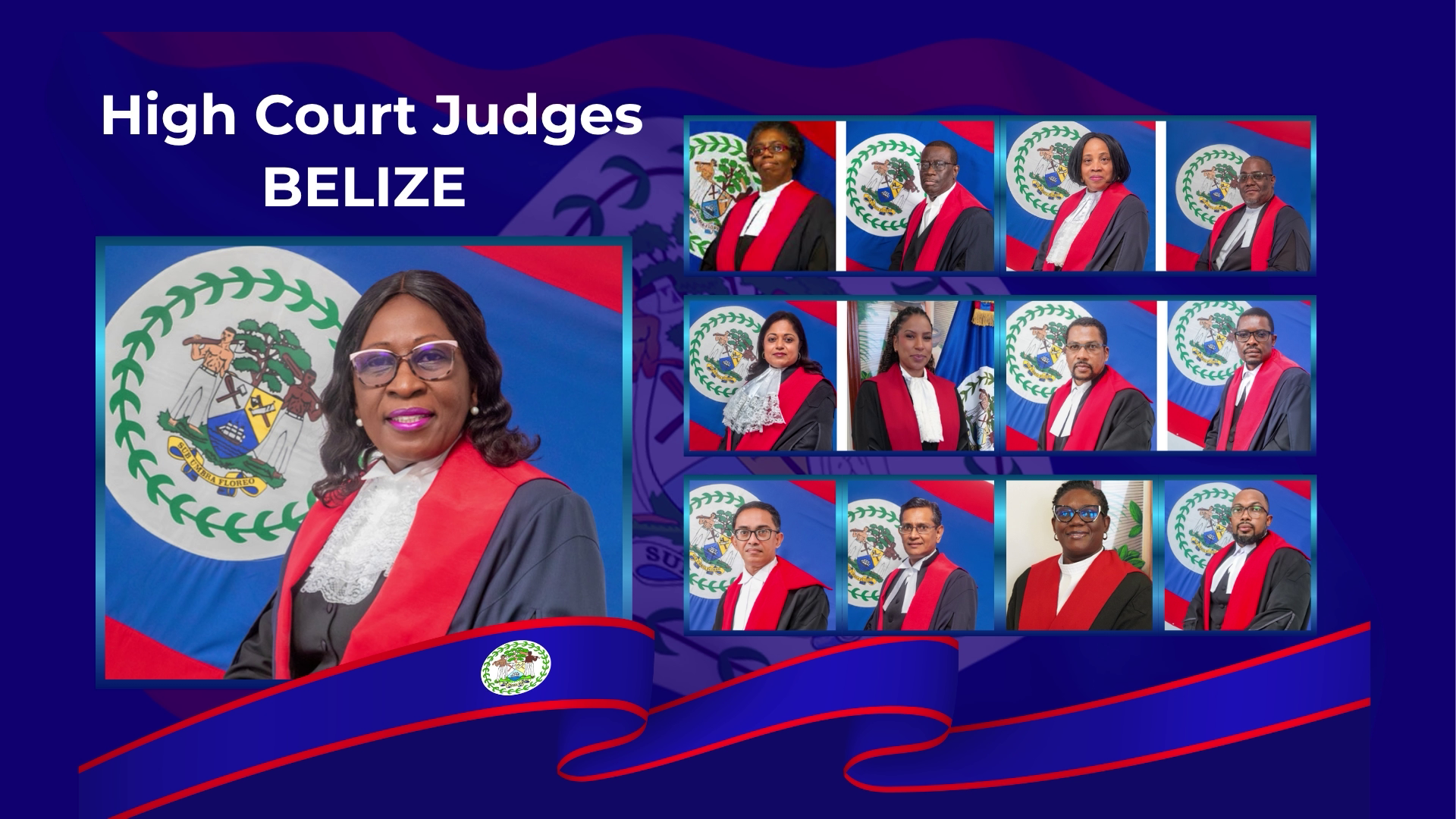
On November 27, 2026, prominent Belizean senior counsel and attorney-at-law Eamon Courtenay added his voice to a rapidly expanding national public debate over the composition of Belize’s judiciary, pushing back against calls to make Belizean nationality the primary determining factor for appointing justices and magistrates. Courtenay, who regularly serves as an acting judge on the Eastern Caribbean Court of Appeal and is scheduled to preside over an upcoming appeal hearing next month, openly acknowledged he holds nuanced, conflicted views on the issue. He noted that if nationality were treated as a non-negotiable bar to judicial service, his own recurring judicial postings across the Eastern Caribbean would have been invalidated out of hand, a precedent he argues undermines cross-regional judicial cooperation and talent sharing. While Courtenay recognized that prioritizing local representation on the bench is a meaningful, valuable goal for the long-term institutional development of Belize’s legal system, he emphasized it should never be the sole or deciding qualification for appointment. When asked if the country should enforce a mandatory threshold requiring a fixed number of Belizean citizens to serve on the judiciary, Courtenay responded that the policy would require careful, deliberate consideration before implementation. Drawing on his decades of frontline legal practice, he recalled navigating deeply troubled, unethical eras in Belize’s judicial history marked by openly corrupt judicial officers. He shared a firsthand anecdote from an early, high-stakes contentious case where a local Belizean judge had colluded directly with his opposing client, instructing the man to feed Courtenay specific arguments so the judge could rule in the client’s favor; Courtenay ultimately requested an emergency adjournment and advised his own client to retain alternative legal representation to avoid participating in the compromised process. He also referenced the widely documented case of Guyanese judicial officer Meerabux, who was notoriously and systematically corrupt during his tenure serving in Belize. Courtenay stressed a core takeaway from these decades of experience: lack of integrity and corrupt conduct are not tied to nationality, and ethical fitness, personal character, and professional competence must always take priority over citizenship status in judicial hiring decisions. The remarks were delivered as part of a transcribed evening television newscast, where Kriol language segments were rendered using a standardized, accessible spelling system for online readers.