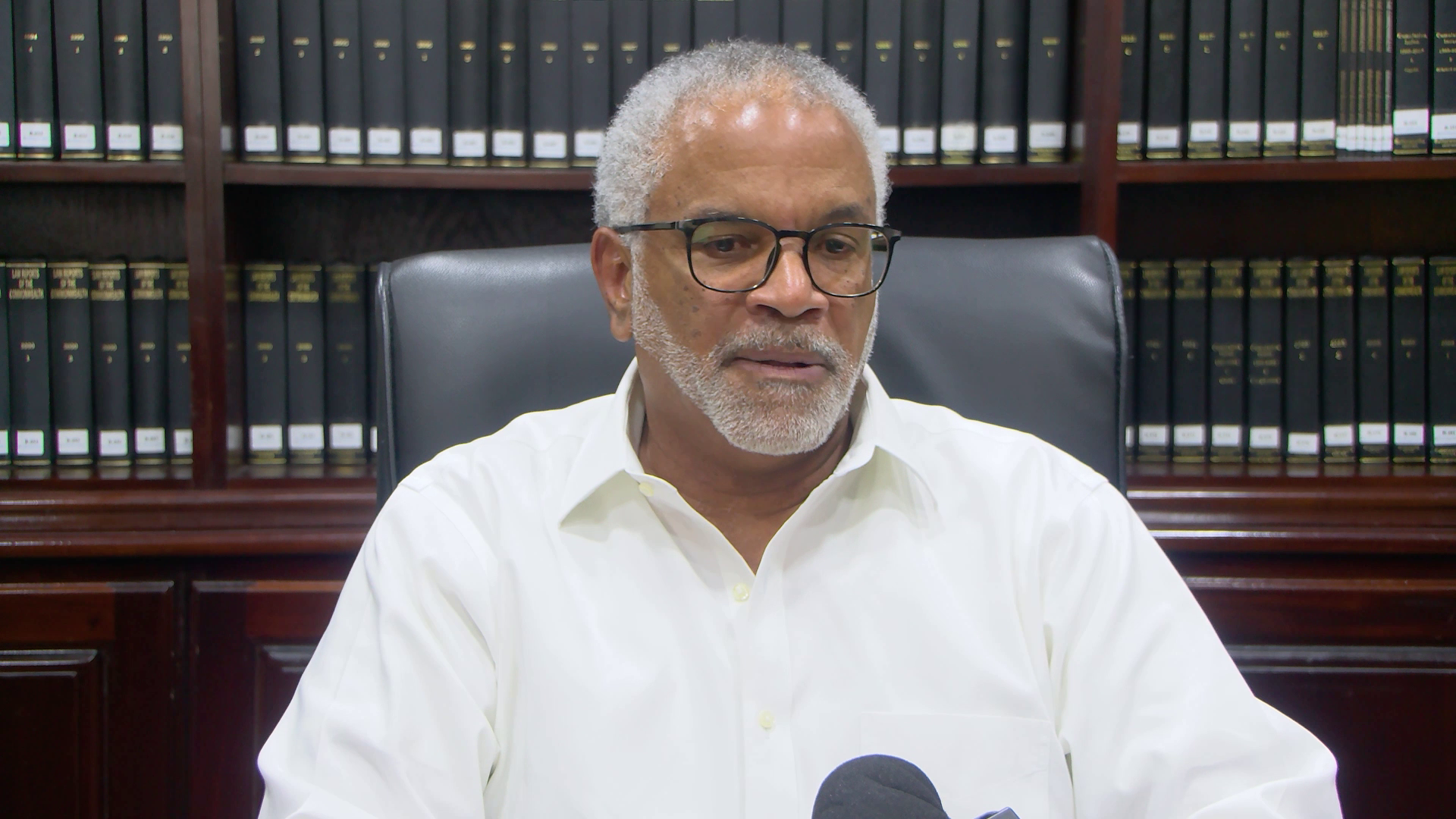
On November 27, 2026, new developments emerged in the wake of a landmark ruling from the Caribbean Court of Justice (CCJ), Belize’s highest judicial authority, that reshapes long-standing protocols for resolving duplicate land title disputes tied to government administrative errors. The case in question centers on a parcel of land located at Cats Caye in the Stann Creek district, where government land registry staff accidentally issued two separate, conflicting titles for the exact same property. The second individual to receive a title, Rudolph Ramirez, filed a lawsuit against the national government seeking over BZ$2 million in damages for the conflicting claim. For decades, prior lower court precedents had mandated that the state pay full market value compensation to secondary title holders in cases of this nature, a pattern of payouts that has cost public coffers millions of dollars in cumulative settlements over the years. In its groundbreaking new judgment, however, the CCJ formally rejected Ramirez’s claim, establishing a binding legal precedent that once a valid land title has been officially granted to a party, the government holds no authority to issue a second competing title for the same tract of land. Senior Counsel Eamon Courtenay, who represented the government throughout the CCJ proceedings, noted that the ruling delivers a critical overhaul to the national land titling framework by restoring public trust and institutional integrity to a system long plagued by costly administrative oversights. During deliberations, CCJ Justice Jamadar raised a key unaddressed gap in the new ruling: the legal vulnerability of innocent third-party buyers who purchase land in good faith, with no prior knowledge of hidden title conflicts stemming from government error. The court formally put forward a non-binding recommendation that the government establish a dedicated, publicly administered compensation fund to support these unwitting victims of administrative mistakes. Courtenay publicly endorsed this proposal in public remarks, drawing parallels to well-established systems operating in high-income nations that maintain dedicated land registry compensation pools. Under these existing models, any individual who can prove they purchased or mortgaged a property completely unaware of prior government title errors can apply for formal review, with eligible claimants receiving full financial restitution for their losses. Courtenay emphasized that Belize currently has no equivalent safety net for these innocent parties, and urged policymakers to prioritize drafting legislation to create the fund as a forward-thinking, equitable safeguard that balances the new CCJ precedent with protection for ordinary property buyers.