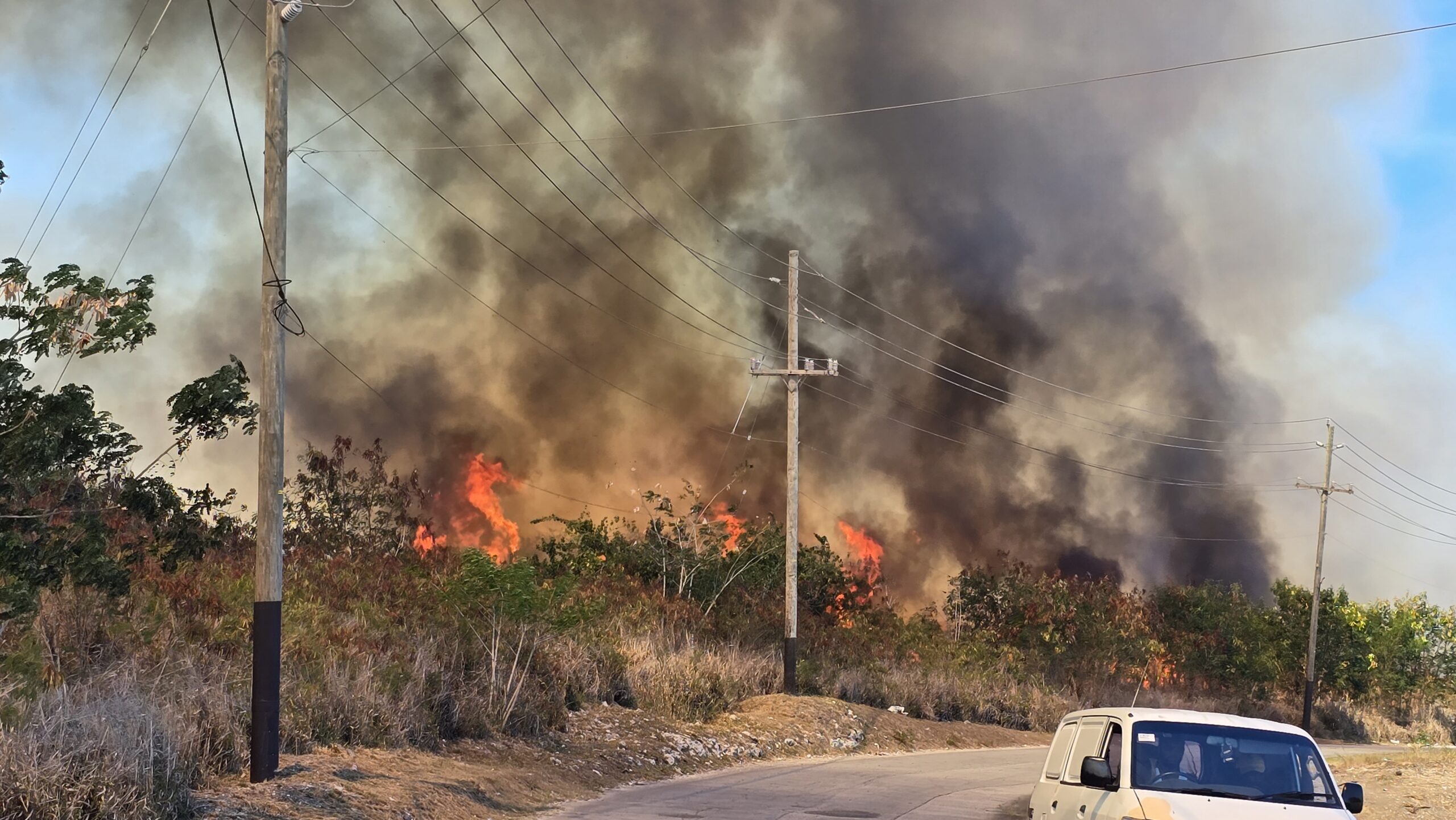
At the 2026-2027 Dry Season Caribbean Climate Outlook Forum (CariCOF) held on November 25, Shontelle Stoute, Technical Officer for Applied Meteorology and Climatology at the Caribbean Institute for Meteorology and Hydrology (CIMH), presented a data-backed overview of widespread, unprecedented weather anomalies sweeping across the Caribbean, driven by a very strong ongoing El Niño event paired with broader long-term climate shifts. Drawing on cross-regional news reports and official meteorological records, Stoute mapped out cascading impacts that have affected communities across multiple island nations as early as 2025, and intensified sharply through 2026, ranging from record-breaking prolonged droughts and destructive wildfires to catastrophic, short-duration extreme rainfall.
In Saint Lucia, the national meteorological service issued a severe dry season warning as early as January 2026, just two months into the annual dry spell. By March 2026, the season ranked as one of the driest on record, second only to the historic 2010 drought, prompting authorities to roll out mandatory water conservation rules. Even when the traditional wet season arrived later in the year, drought conditions refused to abate: water inflows to the Theobalds treatment plant dropped to critically low levels, crippling the national water distribution network, while the Water and Sewerage Company deployed emergency communal water tanks in hard-hit communities such as Babonneau to keep residents supplied.
Barbados faced a dual crisis of unrelenting extreme heat and fast-spreading bush fires: in April 2026, blazes tore across six of the country’s parishes, triggering a severe cross-border air pollution event. Local farmers and vendors reported devastating operational disruptions, with heat stress impacting livestock so severely that even typically heat-tolerant sheep were observed seeking full shade during peak sun hours, while dairy producers noted their cows were visibly wilting under the unforgiving temperatures.
Dominica’s experience diverged sharply from its neighbors, as a powerful weather trough in April 2026 dumped historic volumes of rain across the island’s east and northeast districts: over a 24-hour window, recorded rainfall totals ranged from 4.9 inches to an unprecedented 26.3 inches. The deluge triggered destructive landslides that damaged residential properties, blocked major roadways, disrupted public water supplies, forced temporary school closures, and cut off small-scale farmers from their agricultural plots, leaving hundreds of residents requiring emergency shelter.
Drought conditions wreaked particular havoc across St Vincent and the Grenadines: strict water rationing measures were tightened on the main island, while the situation grew catastrophic in the smaller southern Grenadine islets such as Mayreau, which have no natural rivers, streams, or permanent municipal water infrastructure to fall back on, prompting the Central Water and Sewerage Authority to roll out regular emergency water distribution runs to remote communities.
Trinidad and Tobago faced a wave of ferocious wildfires that ripped through large swathes of vegetation near populated areas, including a large blaze close to the Couva Children’s Hospital in Preysal in March 2026. The fires destroyed extensive crop lands, native wildlife habitats and natural vegetation, while thick smoke blanketed surrounding communities and drove a sharp spike in reported respiratory health complaints.
Over in Puerto Rico, data from the US Drought Monitor confirmed that more than 60% of the island was classified as facing extreme or severe drought by August 2026, leading to widespread mandatory water restrictions, with local authorities deploying tanker trucks to deliver emergency water supplies to residential communities in San Juan and other hard-hit municipalities.
In Jamaica, prolonged drought and extreme heat left agricultural lands parched, destroying standing crops for smallholder farmers such as Angella Jones in the Flagaman district of St Elizabeth. The government estimated the drought would cost the national economy approximately J$35 billion, with widespread disruptions warned for workers, commercial businesses, and agricultural supply chains that threatened to drag down overall national economic output.
The Bahamas has been grappling with unseasonable heat and dry conditions as far back as 2025, with bush fires igniting across major islands including New Providence, Grand Bahama, Abaco and Andros. Fire crews spent weeks containing blazes across Central Abaco in May 2025, while thick smoke left residents breathing heavily polluted air for extended periods. Prime Minister Philip Davis warned in public remarks that the country feared this new fiery, dry reality would become the permanent norm, replacing the traditional seasonal April showers with destructive May blazes.
Not all El Niño impacts have been negative, however: climatologists confirmed that the phenomenon’s characteristic wind shear effect tore apart developing Atlantic storm systems throughout 2026, drastically reducing the region’s hurricane risk and sparing Caribbean islands from severe storm impacts for the year.
Still, CIMH experts have issued urgent forward-looking warnings for the upcoming 2026-2027 dry season running from December to May. CIMH Climatologist Dr. Cedric Van Meerbeeck emphasized that extreme heat and parched dry conditions are projected to persist well into the first quarter of 2027, keeping water shortage and wildfire risks at dangerously elevated levels. El Niño conditions are forecast to remain active through the peak of the dry season in March 2027, with the potential for record-breaking heat to sweep across the region as early as March, immediately following the coolest December to February winter months.
What extreme weather events have Caribbean countries faced in 2026?