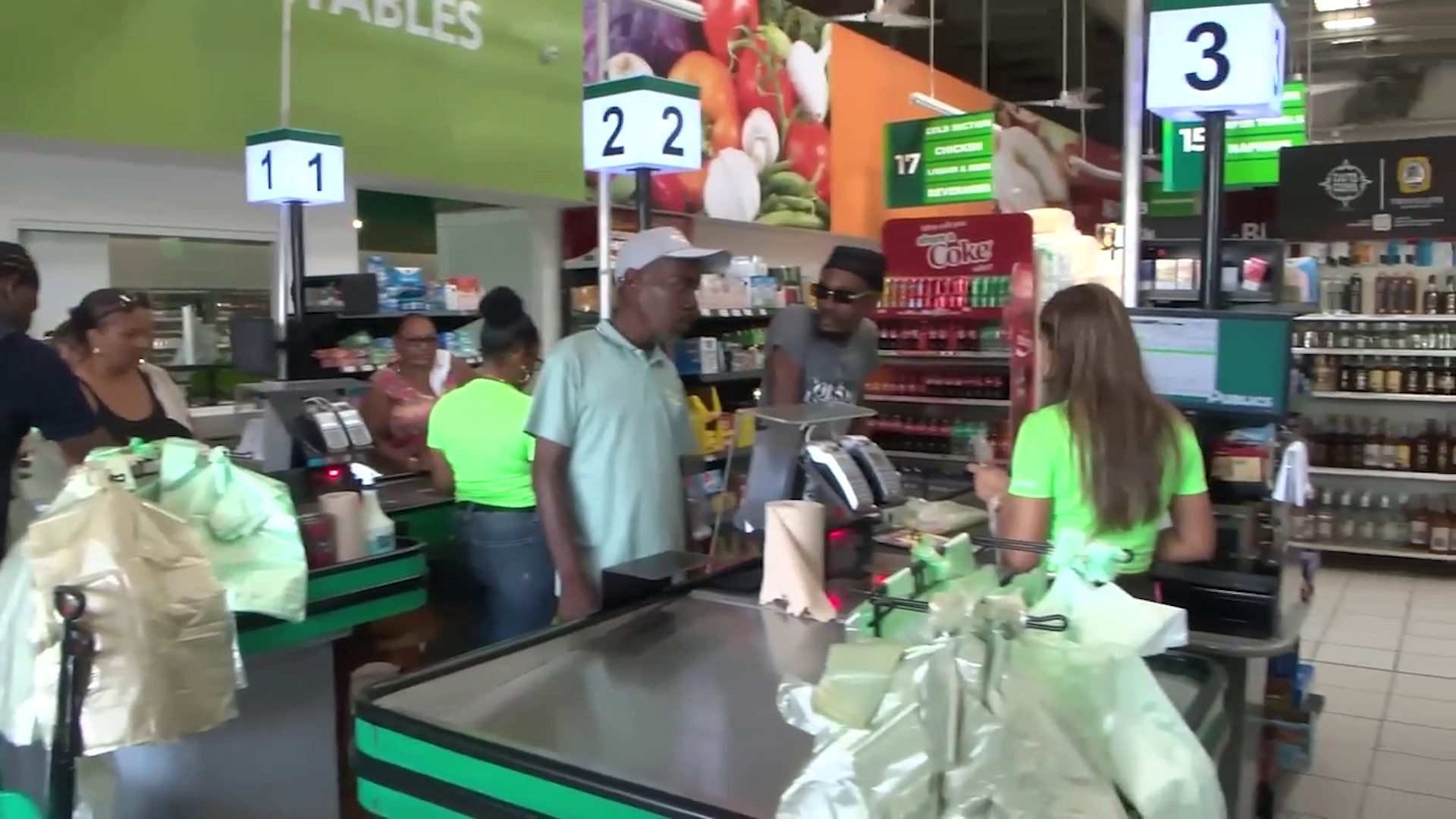
On November 24, 2026, Belize’s Ministry of Labour signaled a deliberate, data-driven approach to future minimum wage adjustments, pushing back against calls for an immediate jump to a $6 hourly rate even as the Prime Minister has floated that target as a long-term policy goal. The announcement came during an exclusive sit-down interview with Labour Minister Kareem Musa, who outlined a multi-stakeholder framework designed to avoid unplanned economic disruptions while protecting the livelihoods of low-wage workers. The government finalized its last major minimum wage revision not long prior, lifting the national baseline pay from $3.30 per hour to $5 per hour, a shift that delivered tangible gains for hundreds of thousands of low-income employees across sectors from hospitality to agriculture. But Musa emphasized that policymakers cannot rush a subsequent adjustment without first rigorously mapping how that 2026 pay bump has rippled through the national economy. The Ministry has already partnered with the International Labour Organization (ILO) to launch a comprehensive impact evaluation, drawing on granular economic data compiled by the Statistical Institute of Belize (SIB) to measure outcomes ranging from small business operating costs, employment retention rates, inflationary pressure, and household purchasing power for low-wage earners. Musa noted that he has already held preliminary consultations with two core stakeholder blocs: the National Trade Union Congress of Belize (NTUCB), which represents organized labor interests, and the Belize Chamber of Commerce, which advocates for private sector employers. Instead of an abrupt one-time jump to $6 per hour, the Minister is advocating for a structured, multi-year incremental wage formula tied directly to broader economic performance metrics. Under that proposed model, future pay hikes would be scheduled, predictable, and calibrated to match the country’s GDP growth trajectory, for example phasing in a $5.50 hourly rate within three years before moving to the $6 target in a subsequent three-year window. Musa stressed that this structured approach eliminates the uncertainty that can lead to sudden layoffs or unplanned price hikes for consumers, while giving low-wage workers clear visibility into future earnings growth. He added that no final decisions on the timeline or magnitude of future minimum wage adjustments will be made until the ILO’s full impact assessment of the recent $5 hourly increase is finalized and shared with all stakeholder groups for further collaborative discussion.