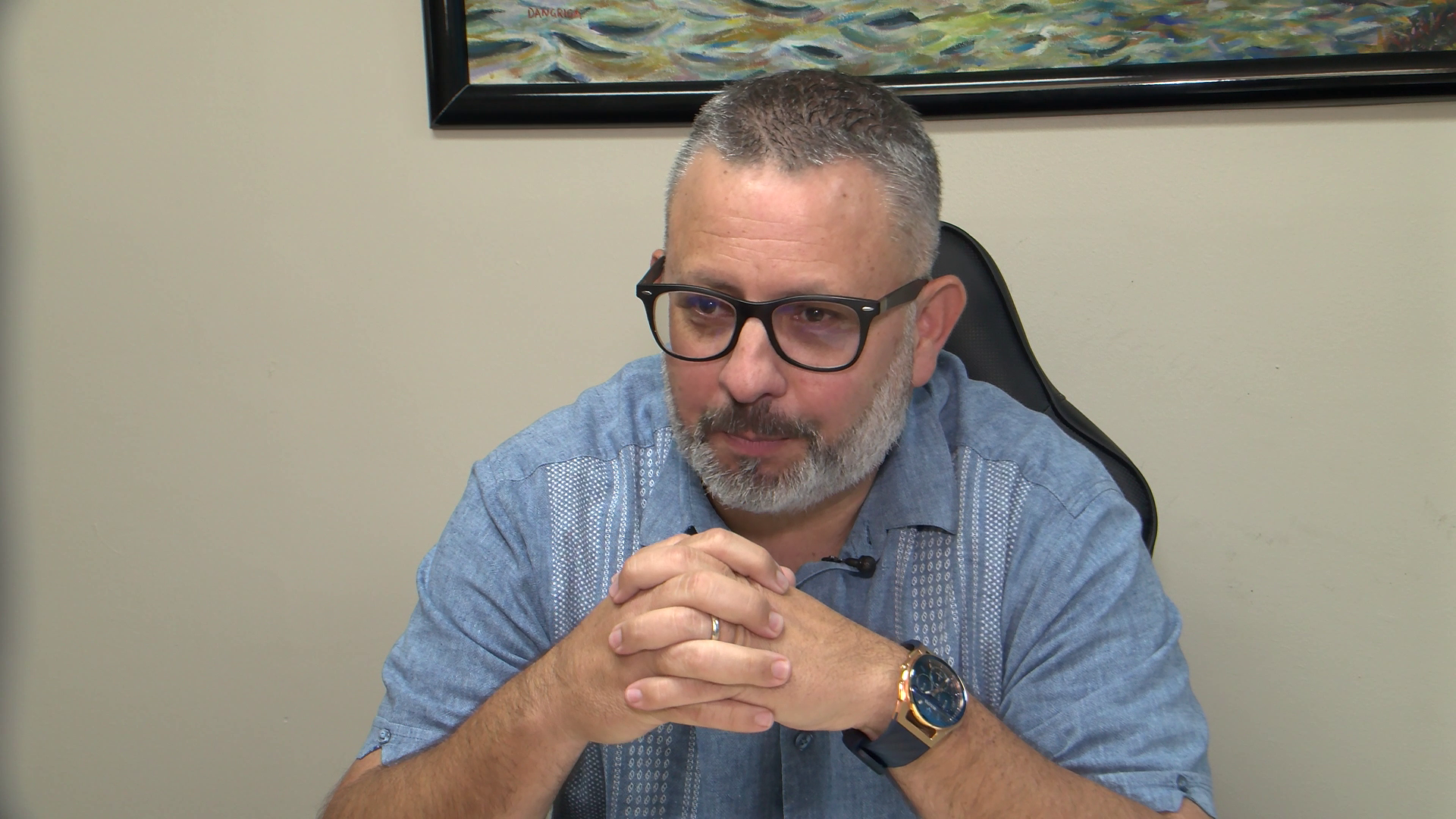
On November 24, 2026, ongoing public debate has erupted across Belize over the government’s recently announced $3 million national housing assistance program, which will be administered directly by elected area representatives across all constituencies. While some members of the public have raised concerns that the discretionary funding could be weaponized for partisan political gain ahead of upcoming electoral cycles, Caribbean Shores Area Representative Kareem Musa pushed back firmly against those allegations in a recent exclusive interview with local news outlets.
Musa emphasized that the new allocation is not a standalone program, but a supplementary top-up to existing community development fund (CDF) housing support that representatives already distribute to vulnerable residents. He noted that nearly 50% of his own annual CDF budget is already earmarked for housing-related aid, including small grants for building materials, roof repairs, and home accessibility upgrades for low-income households. When the $3 million national pool is divided evenly across every constituency, regardless of whether the sitting representative belongs to the ruling People’s United Party (PUP) or opposition United Democratic Party (UDP), the per-district allocation works out to a strikingly modest sum, he explained. For his own Caribbean Shores constituency, the total new housing funding comes to just $19,000 — enough to provide grants of $500 or less to roughly 80 eligible residents at most.
“To call this a slush fund for political patronage is absurd when you break down the numbers,” Musa stated. “This is a meager sum compared to the overwhelming unmet housing need across this country. Every representative, no matter their party affiliation, maintains full, auditable records of every disbursement, including hardware store receipts and full documentation of which resident received support, which we submit to the Ministry of Finance every single month for review.”
When pressed on longstanding public anecdotes of past representatives prioritizing partisan supporters for public aid, Musa acknowledged that such practices may have occurred in earlier political eras, but argued that modern elected officials across both major parties have abandoned that discriminatory approach. “I cannot name a single sitting member of parliament today, PUP or UDP, that withholds housing assistance from a family in need just because they do not share their political views,” he said. “Our priority is getting roofing materials, concrete, and repair supplies to the households that cannot afford them, full stop.”