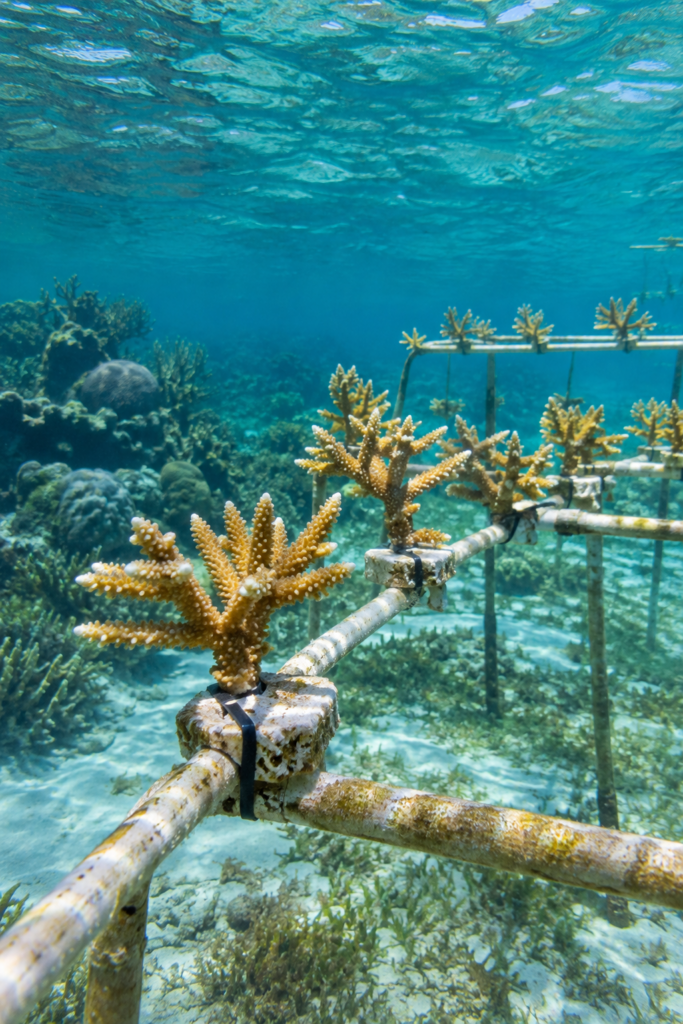
During a Project Syndicate on-site interview at the COP31 climate summit in Antalya, Antigua and Barbuda’s Environment Minister Michael Joseph unveiled a urgent adaptive measure to protect the nation’s fragile coral ecosystems: the full relocation of its three-year-old coral restoration nursery to deeper offshore waters, a direct response to record-breaking ocean warming in shallow coastal zones that has pushed local corals to the brink of mass mortality.
Joseph explained that while the lower light levels in deeper marine environments will slow the corals’ natural growth rate, the cooler, more temperature-stable water offers vastly higher odds of long-term survival for the cultivated coral stock. The decision to move the nursery came after monitoring data confirmed sustained extreme heat in shallow nearshore areas had already severely impaired corals’ basic biological functions, triggering widespread, ongoing coral bleaching across the country’s iconic reef systems.
The minister framed the unexpected relocation as a tangible, on-the-ground example of the cascading practical challenges small island developing states (SIDS) face as global average temperatures continue to rise. For Antigua and Barbuda, where tourism makes up roughly 70% of total national economic output, the interconnected threats of ocean warming, reef die-off, beach erosion and coastal degradation create cascading economic and social risks. Joseph noted that the government already allocates millions of dollars annually just to mitigate beach erosion and clear coastal debris to keep its tourism product viable, but even those investments cannot reverse the accelerating loss of the natural assets that draw visitors: its signature sunny weather, turquoise coastal waters and pristine white-sand shorelines, all of which are now under acute climate pressure.
Joseph emphasized that the warming-driven threats to coral ecosystems are not isolated to Antigua and Barbuda, but represent a systemic existential risk shared by all small island nations. Ambassador Ilana Seid, chair of the global Association of Small Island States, joined the interview to reinforce that coral reefs form the unrecognized foundational backbone of SIDS livelihoods across the Pacific and beyond, underpinning not just tourism revenue, but also coastal food security for local communities and centuries-old cultural practices tied to marine environments.