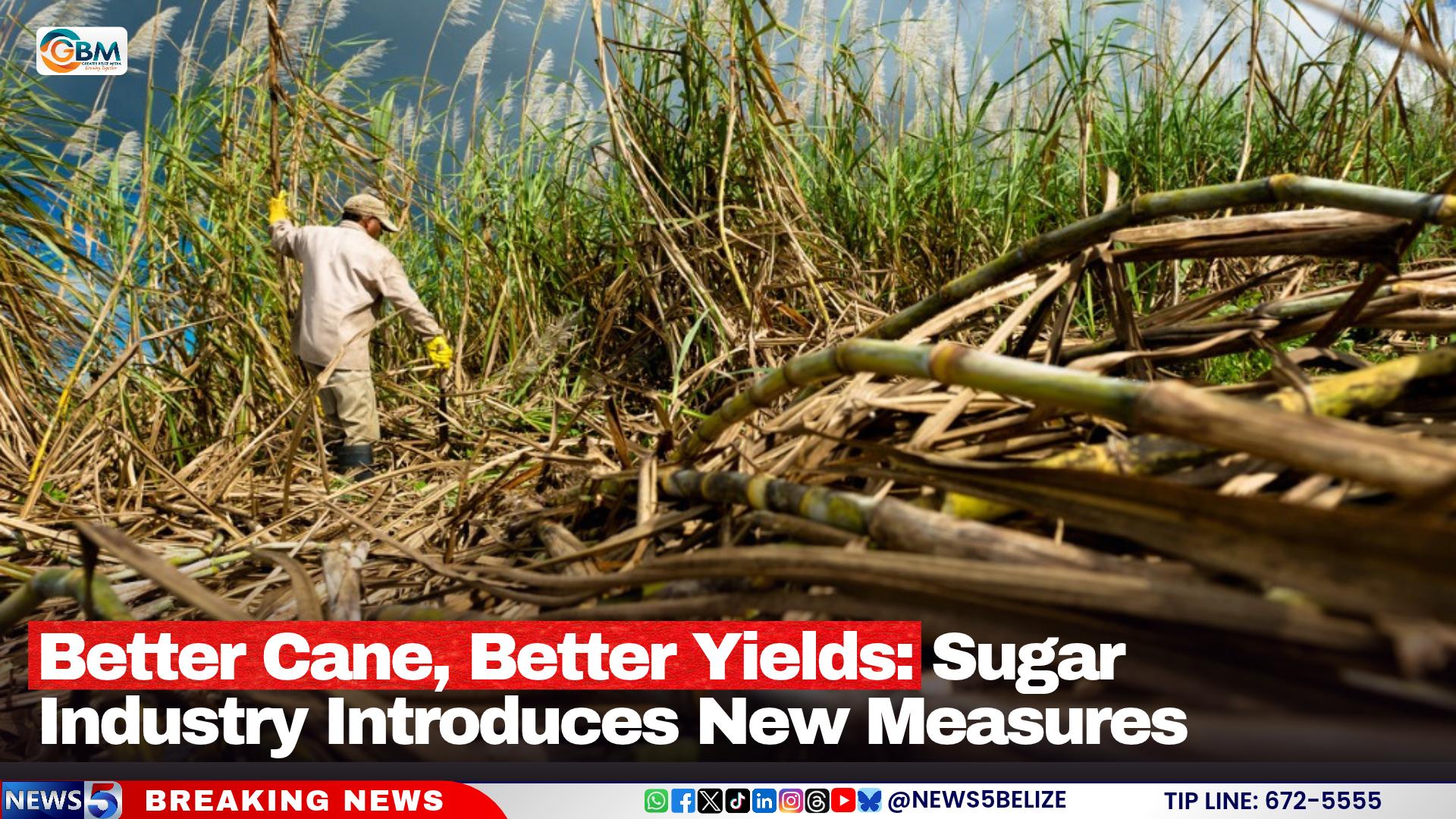
On November 21, 2026, stakeholders across Belize’s northern sugar sector rolled out a suite of targeted, farmer-centric policies designed to lift long-term crop yields, enhance raw material quality for processing mills, and build resilience against growing climate and pest-related production threats. Spearheaded by Belize Sugar Industries Limited and the Sugar Association of the Caribbean, the multi-pronged strategy includes subsidized replanting support, standardized pre-harvest cane maturity testing, and ongoing regional research into more robust, climate-adapted sugarcane strains. William Neal, Communications and Government Affairs lead for both organizations, explained that the core goal of the new framework is to shore up the entire industry’s operational stability amid rising production pressures, including recent mealybug infestations that have strained output across regional growing zones. Backed by funding from the Green Climate Fund, the replanting support program offers smallholder and commercial sugar farmers a 40% grant to cover costs associated with renewing their crop fields. Industry best practices typically recommend full field replanting every 5 to 8 years to prevent yield degradation as older cane stalks lose productivity, and Neal noted the grant is structured to enable large-scale, coordinated replanting across the region rather than piecemeal updates that leave portions of supply chains operating with low-yield, aging crops. The second key new measure is the rollout of dedicated mobile cane testing units, a solution to the longstanding challenge of accurately gauging sugarcane ripeness that cannot be assessed via visual inspection unlike many fruit crops. These pre-harvest assessment teams will sample crops ahead of harvest to confirm they have reached maximum sucrose content, and share full, transparent results directly with farmers to help them time their harvests for optimal returns. Neal emphasized that at this stage, the test data will not be tied to farm payment rates, and will solely serve as an educational and planning resource for growers. Complementing these immediate support measures, the regional sugar industry is also investing in long-term crop improvement work: distributing certified disease-free clean cane seed stock, introducing new high-yield varieties with natural resistance to common pests including mealybugs, and running targeted cross-border research trials to develop new cane strains that can survive extended periods of both drought and extreme flooding, two climate-driven weather events that have become far more frequent across the Caribbean in recent years.