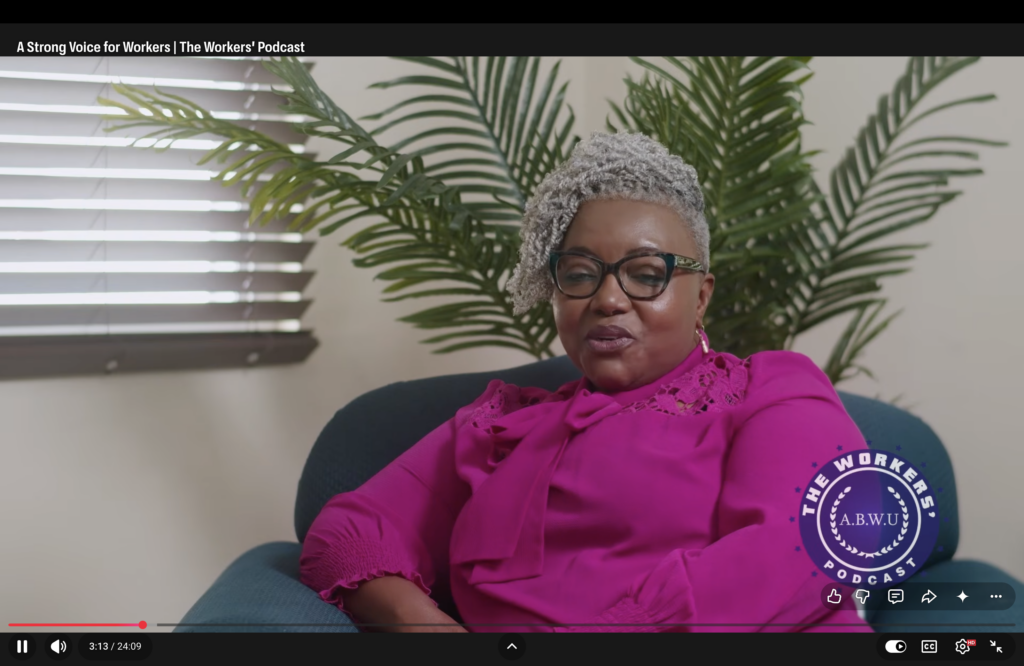
Fresh off her formal election as the new head of the Antigua and Barbuda Workers’ Union at the organization’s 59th annual delegates conference, Monique James Roberts has laid out a forward-looking agenda centered on reconnecting both longstanding and prospective members with the labor group’s decades-long legacy of advocacy to drive higher participation across the workforce. Roberts emphasized that the union’s upcoming 60th anniversary celebrations will serve as a central platform to showcase decades of hard-won victories for local workers, many of which have become normalized to the point that current employees often overlook the sustained organizing, negotiation, and personal sacrifice required to codify those protections. Among the landmark gains the union will highlight during the anniversary campaign are the establishment of the standard 8-hour workday, the formal 40-hour full-time workweek, and guaranteed paid maternity leave for workers across multiple sectors. Roberts explained that widespread familiarity with these baseline benefits has led a large segment of the modern workforce to take them for granted, eroding awareness of how collective action delivered those rights and how continued organizing is required to defend and expand them. To address this knowledge gap, the union has already launched a series of targeted, inclusive workshops tailored for women, men, and young workers, which have already succeeded in converting previously disengaged employees into active participants in union events. The organization’s dedicated youth affiliate also runs its own slate of community and advocacy activities, and holds a formal voting seat on the union’s executive board to ensure younger worker perspectives are centered in leadership decisions. Looking ahead, Roberts revealed the union is rolling out free foundational math tutoring classes for members and exploring the development of specialized training courses in emerging fields including artificial intelligence, alongside a suite of other support programs designed to lower barriers to opportunity for young workers in a rapidly evolving job market. Stating that her core mandate is to build on the union’s 60 years of legacy rather than overhaul its core mission, Roberts noted her top priorities include safeguarding existing workers’ rights from erosion by employers, encouraging current members to stay actively involved in decision-making processes, and extending an open invitation to non-unionized workers across Antigua and Barbuda to join the movement, noting that formal collective representation and collective bargaining agreements are the most reliable mechanism for workers to secure fair compensation, safe working conditions, and expanded benefits.