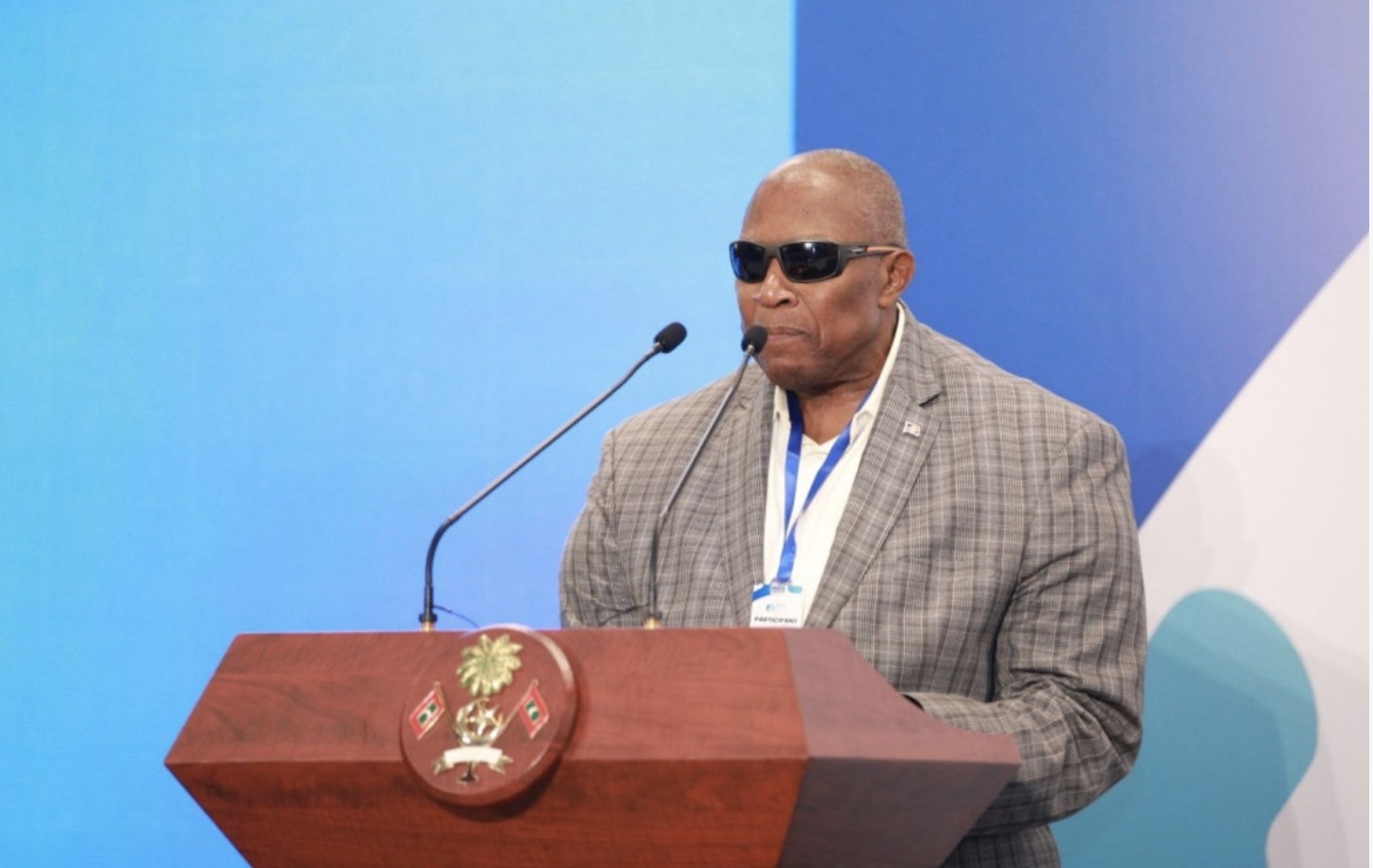
During a high-level side event at the latest UN Global Climate Action Summit, Antigua and Barbuda’s top diplomatic representative to the United Nations laid out an innovative, under-explored funding framework to address the chronic resource gap that has long stymied small island developing states (SIDS) in their climate adaptation and mitigation efforts. The ambassador emphasized that cross-border remittances, which represent one of the largest consistent financial inflows to Caribbean and Pacific island nations, could be leveraged via a minimal, low-impact transaction levy to generate dedicated, sustainable streams of revenue for local climate protection initiatives. Unlike volatile international climate aid pledges that often go unfulfilled or come with restrictive policy conditions, the proposed nominal fee – estimated to be less than 0.5% of each money transfer – would raise hundreds of millions of dollars annually across the SIDS bloc without placing undue financial burden on migrant workers who send critical funds home to support their families. The ambassador noted that these dedicated funds would be directed to priority local projects, including coastal mangrove restoration, sea-level rise early warning system deployment, and the rollout of affordable residential solar infrastructure for low-income households. The proposal has already garnered preliminary expressions of support from a coalition of 22 small island nations, which plan to table a formal resolution on the mechanism during the next UN Climate Change Conference later this year.
Antigua and Barbuda ambassador says money transfer fees could help fund climate protection for small islands