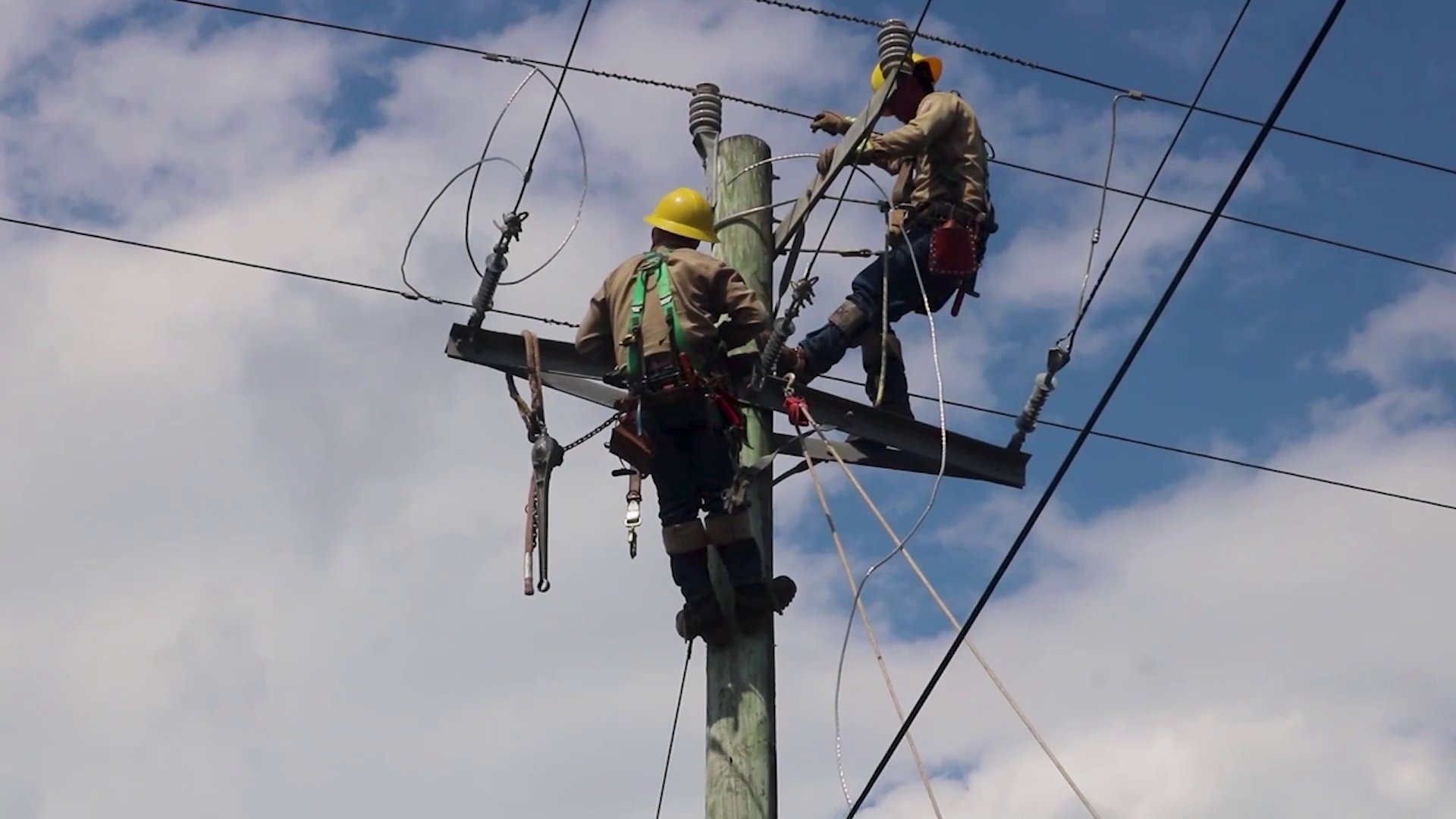
On November 12, 2026, Prime Minister John Briceño confirmed that the Belize administration’s total financial support for state-linked power provider Belize Electricity Limited (BEL) is on track to hit $150 million by the close of December that year, a substantial public investment designed to shield local households and businesses from soaring generation costs while stabilizing the utility’s strained balance sheet. The multi-million-dollar support package, structured as a combination of direct operational grants and pre-payment arrangements, comes in response to years of mounting debt pressures and volatile global fossil fuel prices that had left BEL at risk of passing steep tariff hikes on to end users. Briceño emphasized that the public funding is not a short-term band-aid, but a bridge to a long-awaited renewable energy rollout that will eliminate reliance on costly imported fossil fuel generation. The first phase of the transition will see a 14-megawatt solar farm break ground on cleared land in the Democracia region, with operations scheduled to launch no later than January 2027. A separate independent solar developer is set to bring its own generation capacity online by March 2027, paired with grid-scale battery storage that will be fully operational by June the same year. Backed by financing partnerships with international banking groups Santander and local financial institution BSI, the updated energy framework will also allow BEL to procure low-cost excess electricity from Mexico’s interconnected grid during periods of surplus, further driving down long-term power purchase costs for Belizean consumers. Government officials noted that the $150 million intervention is structured to keep residential and commercial electricity tariffs at accessible levels while the renewable infrastructure is built, avoiding sudden cost shocks for the public while laying the groundwork for a more affordable, sustainable national energy system.