On November 12, 2026, the Briceño administration’s two new fiscal and social welfare policies are drawing public scrutiny across Belize, as local elected representatives and constituents debate their practical value, potential pitfalls, and real-world impacts. The first policy introduces a 50 percent reduction to all ministerial allowances, framed by the government as a gesture of shared sacrifice to lead by example amid ongoing national fiscal pressures. The second policy shifts the distribution of expanded housing assistance funding directly through elected area representatives, alongside a separate commitment to double the volume of grocery aid packages for low-income households grappling with persistent cost-of-living hikes.
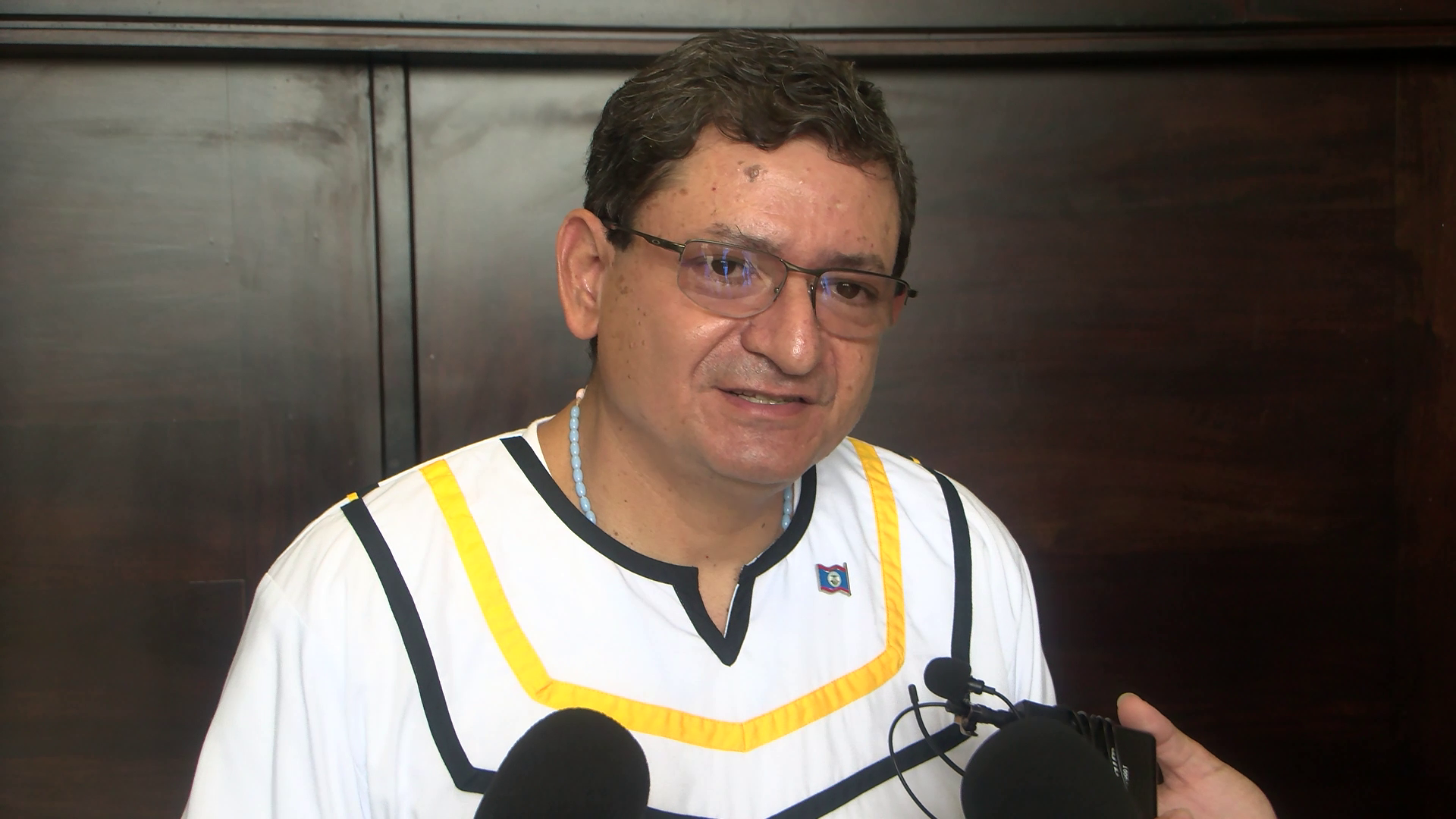
In an exclusive interview, Dangriga Area Representative Dr. Louis Zabaneh offered a nuanced perspective on both measures. He noted that the 50 percent allowance cut is largely symbolic in its fiscal impact: based on available estimates, the full annual savings from the policy will amount to roughly $200,000, a relatively modest sum that pales in comparison to the broader, more substantive social welfare investments the administration is rolling out. Zabaneh acknowledged that even the small savings from the cut are a welcome contribution to public funds, but emphasized that the expanded housing support and doubled grocery aid will deliver far more tangible benefits to ordinary residents.
As the elected representative for Dangriga, Zabaneh confirmed that his constituency receives steady weekly requests from households facing critical housing needs, including leaky roofs and structurally unsound homes, and that his office maintains a long, unmet waiting list of families eligible for targeted support. He added that the expanded grocery aid will provide critical relief for low-income families navigating steeply rising everyday costs that have strained household budgets nationwide.
When asked about widespread public concerns that routing public assistance funds through area representatives could create new avenues for favoritism, misuse of funds, or corruption, Zabaneh stressed that accountability is anchored in two overlapping safeguards: the personal integrity of each elected official, and strict, enforced oversight rules from the Ministry of Finance. Under the existing funding framework, area representatives are required to submit full, verifiable documentation proving every dollar of disbursed aid reached intended recipients before they can access subsequent tranches of funding. Zabaneh also outlined that his office pairs direct emergency aid with longer-term empowerment support, directing younger constituents to skills training programs at the ITVET technical institution and adult night classes to help them build self-sufficiency and avoid long-term dependency on public welfare handouts.
This report is adapted from a transcript of the outlet’s November 12, 2026 evening television newscast, with Kriol-language statements from speakers transcribed using a standardized official spelling system for full accessibility.