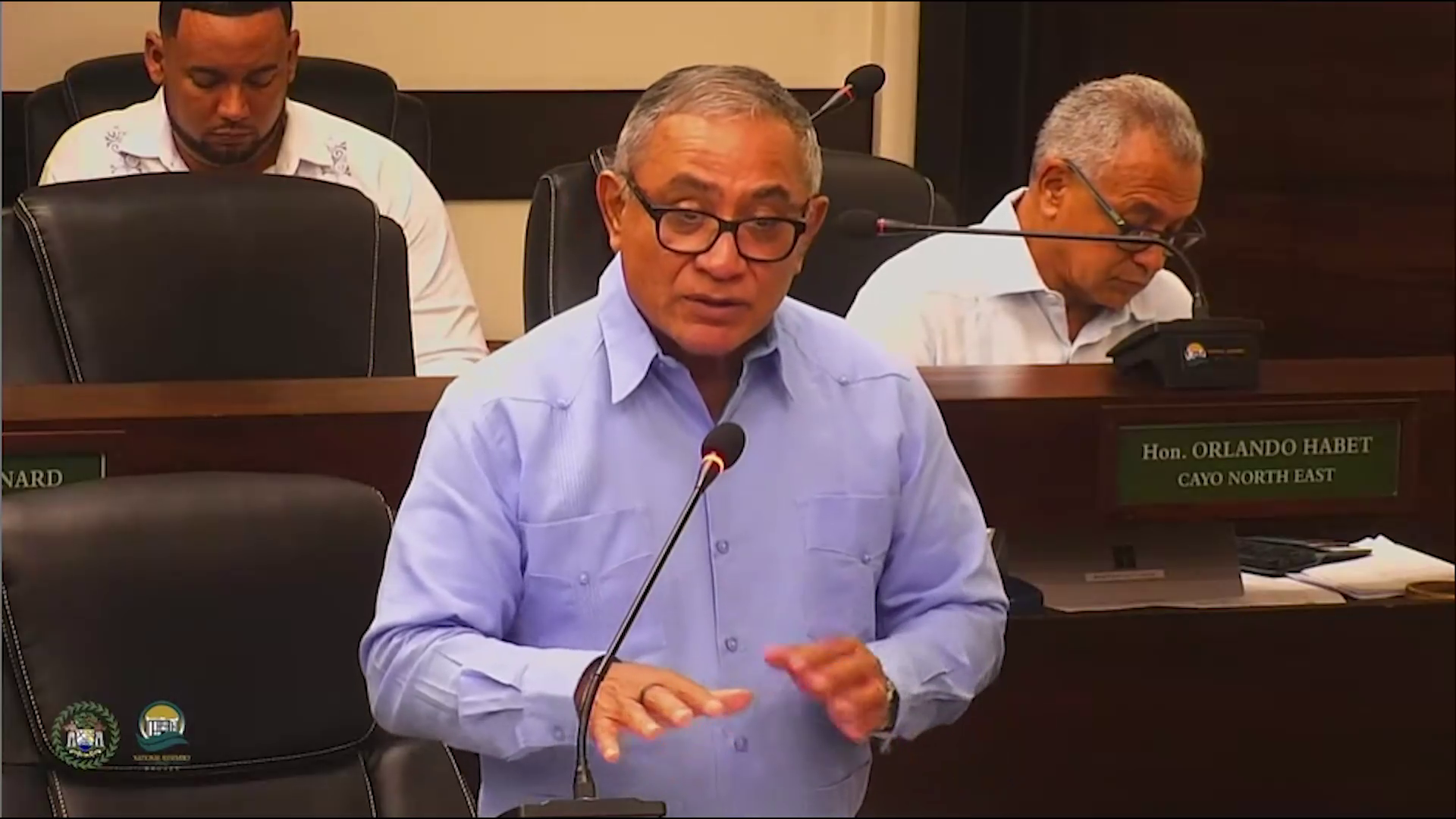
On November 12, 2026, Belize’s ruling Briceño administration rolled out sweeping austerity measures targeting government operational budgets and senior official compensation to redirect $50 million in public funds toward urgent cost-of-living support for ordinary citizens. The policy mandates a 25% cut across all ministries’ non-wage, non-pension public service spending, totaling $35 million in reduced goods and services expenditures, paired with an additional $15 million in scaled-back Capital Two public infrastructure projects. In a rare show of top-level fiscal sacrifice, all cabinet ministers will see their personal official allowances slashed by half, a step Prime Minister John Briceño emphasized as a deliberate demonstration of shared burden amid widespread household financial strain. Delivering the announcement during a parliamentary session, Briceño outlined that a portion of existing operational costs are already locked into pre-negotiated long-term contracts, so the 25% savings target will be drawn exclusively from flexible, recurring weekly and monthly operational purchases to avoid disrupting core frontline public services. He also publicly challenged opposition parliamentary members to match the administration’s 50% allowance cut, noting that the opposing bench offered no verbal response to the proposal when it was tabled. Briceño additionally confirmed that the government has already forgone $60 million in revenue from previously implemented fuel tax reductions, a measure that has eaten into state coffers to ease transportation and energy costs for households. The policy rollout has sparked widespread public debate, with many Belizeans expressing cautious optimism that the redirected funds will deliver tangible relief from soaring living expenses, while public sector staff raise concerns that steep operational cuts could lead to under-resourcing for critical services such as healthcare outreach, school maintenance, and local public safety programs.