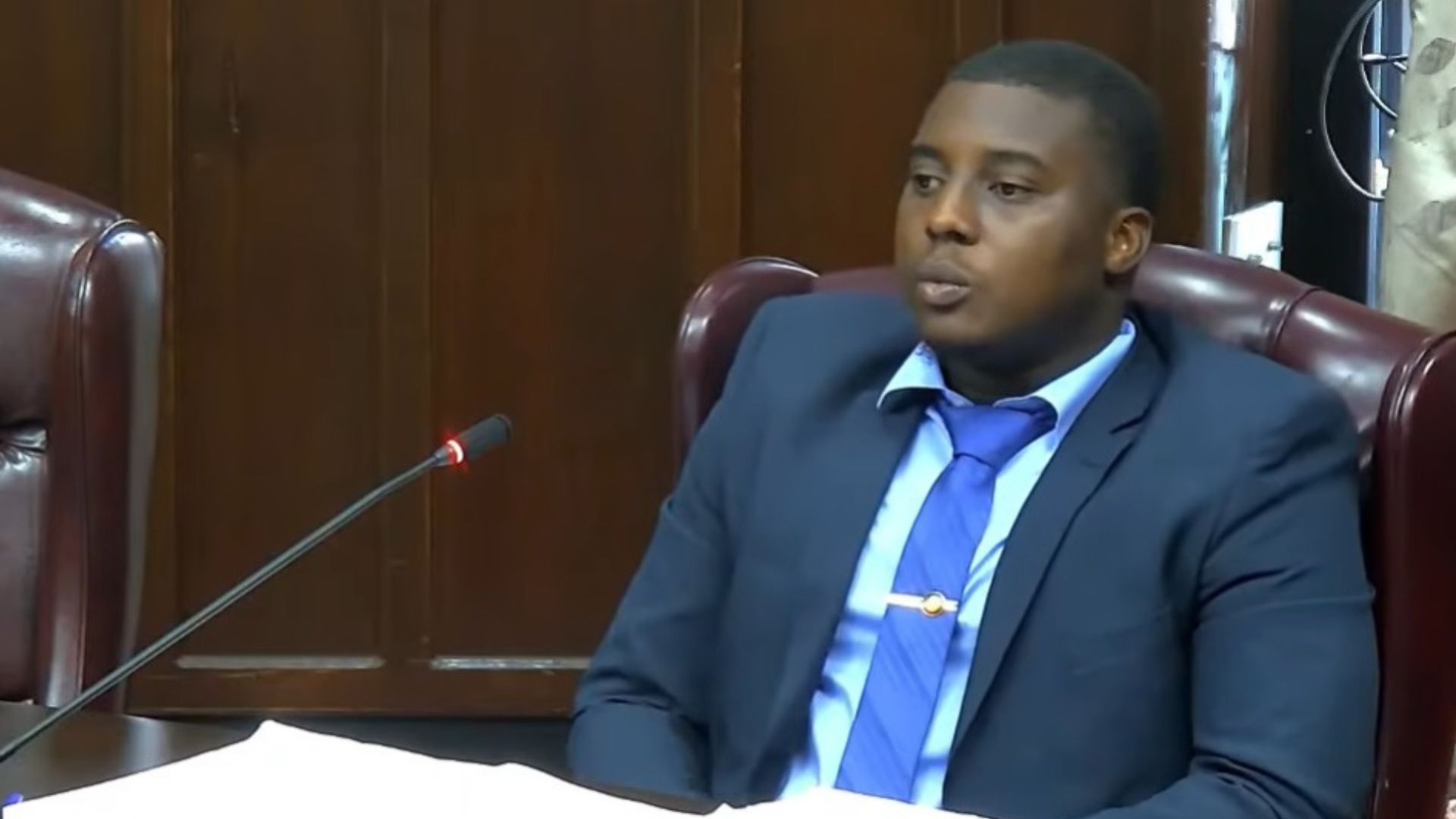
The ongoing public commission of inquiry probing the fatal July 18, 2026, boat collision off Saint Lucia’s Anse Cochon Bay laid bare critical gaps in maritime emergency response frameworks during its Monday hearing, as testimony from frontline law enforcement officers exposed inconsistent adherence to formal procedures and fragmented coordination between responding units. The late-night collision, which occurred at 11:55 p.m. on the fateful Saturday, claimed four lives, and while search and recovery teams successfully retrieved all victim remains, Monday’s proceedings raised far-reaching questions about whether local maritime agencies are adequately prepared to respond to high-stakes mass casualty nautical incidents. Leading the morning testimony was Corporal Luciano Garde, head of the Marine Intelligence and Investigation Unit and the case’s lead investigator, who is also the son of Saint Lucia’s Police Commissioner Vern Garde. Commission chair Mario Michel repeatedly noted that Garde’s testimony was often disjointed, as the officer relied heavily on his personal notes to recount basic operational details. While Garde confirmed two police marine vessels were deployed to the scene, he was unable to recall the exact number of personnel mobilized for the rescue and recovery effort. He further disclosed that he was not assigned to lead the investigation until 5:09 p.m. on July 19, nearly 17 hours after the collision took place, with Superintendent Irvin Alfred and Acting Sergeant Mario Chicot of the Police Marine Unit overseeing initial response efforts. Garde, who manages a four-person investigative team, revealed that his formal request for additional staffing support to process the high-fatality incident was explicitly denied by Superintendent Alfred, who stated no extra resources were required. When pressed on whether his team followed specialized standard operating procedures (SOPs) tailored to major maritime collision fatalities, Garde confirmed no such targeted protocols were used, and the probe was conducted using only general, generic law enforcement investigative practices. “This incident is unprecedented, the first of its kind we have encountered, so we treated it like any standard investigation,” Garde told the commission. Later testimony from Acting Sergeant Chicot appeared to contradict portions of Garde’s account, as Chicot confirmed that formal SOPs do exist for the Police Marine Unit, and asserted that all steps taken during the response and investigation aligned fully with those documented procedures. Dive team member Officer Gonzague, who served as crew on one of the deployed rescue vessels, provided further conflicting details: he confirmed that one of the two dispatched marine craft was diverted away from the active search for missing victims immediately after arrival at the bay, to respond to a report of a bleeding individual on a nearby yacht where a physical altercation had broken out. Gonzague also openly admitted he had no working knowledge of the Police Marine Unit’s formal response protocols for fatal maritime collisions. The hearing also highlighted widespread confusion over cross-agency coordination between the Police Marine Unit, the Marine Intelligence and Investigation Unit, and the Saint Lucia Air and Sea Ports Authority (SLASPA) Maritime Division, with multiple officers acknowledging their operational accounts appeared disjointed despite claims that teams “managed” through the response. Garde confirmed that all available evidence for the collision probe has now been compiled, and the full case file has been submitted to the Director of Public Prosecutions for further guidance. The commission of inquiry is scheduled to resume public hearings on Wednesday, November 11, to continue examining the systemic failures of the emergency response.
Anse Cochon inquiry raises questions about collision response and protocols