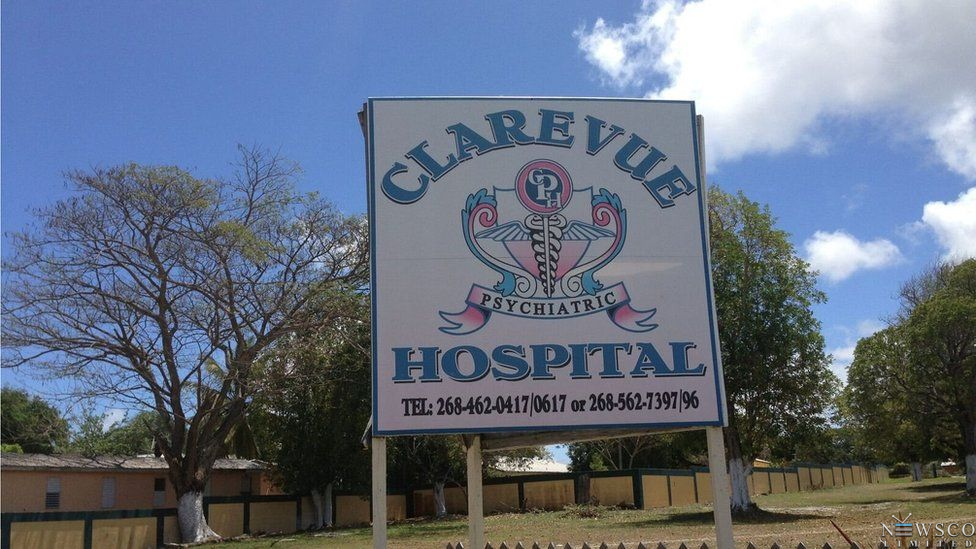
During Antigua and Barbuda’s fourth Universal Periodic Review (UPR) session hosted by the United Nations Human Rights Council, Foreign Affairs Minister E.P. Chet Greene formally unveiled a landmark national initiative to completely restructure the country’s long-outdated mental health care ecosystem. The government openly acknowledged that the current governing legal framework for mental health services was built on outdated, discriminatory attitudes that perpetuate social stigma against people living with mental health conditions, and has for decades prioritized restrictive institutionalization over compassionate, individualized care. The forthcoming Mental Health Bill 2026, drafted with targeted technical guidance and operational support from the Pan American Health Organization, is designed to modernize every layer of the nation’s mental health support infrastructure. A core pillar of the proposed legislation is a planned phased transition away from the country’s standalone traditional psychiatric hospital, to a purpose-built, community-focused behavioral health unit that centers person-centered, trauma-informed treatment models tailored to the unique needs of each patient. The full Antiguan and Barbudan government delegation reinforced this policy commitment in the review’s closing remarks, framing the new bill as a deliberate effort to scrap obsolete, rights-violating regulatory structures and strengthen legal protections for all people navigating mental health challenges. While the administration did not release a formal timeline for the bill’s parliamentary debate, approval, or full rollout, nor disclose the projected budget for the care system transition, officials referenced a prior address by Prime Minister Gaston Browne to the UN General Assembly, where Browne called on global leaders to elevate mental health as a core global priority. Browne emphasized in that address that mental health struggles are not a personal failing, but a fundamental human rights issue, a cornerstone of social equity, and a critical component of long-term sustainable development. Officials confirmed that Antigua and Barbuda will continue leading diplomatic advocacy efforts to secure a more prominent, resourced position for mental health on the UN global development agenda in coming multilateral forums.
Antigua and Barbuda plans mental health overhaul, acknowledges outdated system