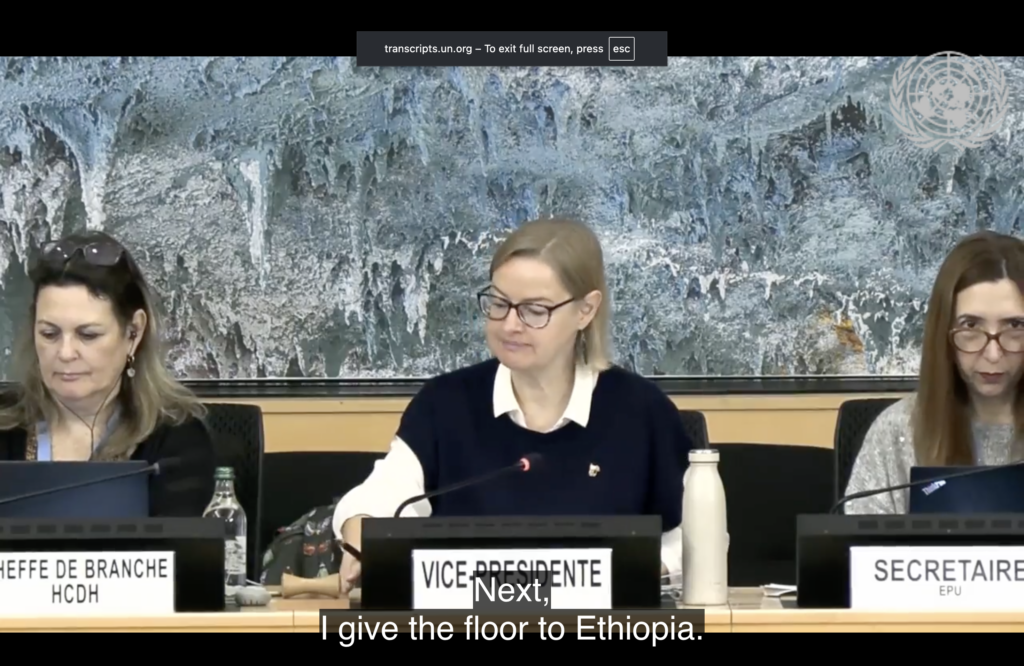
On November 6, at the conclusion of its fourth Universal Periodic Review (UPR) session before the United Nations Human Rights Council in Geneva, the official delegation of Antigua and Barbuda announced it would temporarily reserve its formal stance on all submitted recommendations, committing to a thorough domestic review and multi-stakeholder consultation process before issuing an official, binding response. The Caribbean nation’s representative emphasized that this procedural pause was in no way a preliminary rejection of the 100+ recommendations put forward by participating UN member states, but a deliberate step to ensure every proposal received the rigorous, context-specific assessment it merited. The sweeping set of recommendations submitted by global peers spans a wide spectrum of human rights priority areas: from reforming criminal justice systems including calls for full abolition of the death penalty, to targeted protections for vulnerable groups such as explicit bans on corporal punishment of minors, full criminalization of marital rape, and expanded legal safeguards for LGBTQ communities. Several nations also pushed for structural institutional changes, including the establishment of a fully independent national human rights oversight body to monitor compliance with international obligations. Ecuador put forward two targeted education-focused proposals, urging Antigua and Barbuda to enshrine the fundamental right to education in its national constitution, and to pass binding legislation guaranteeing a minimum of 12 years of free, accessible primary and secondary education for all residents. During the three-hour review proceedings, Antigua and Barbuda’s delegation openly highlighted the suite of progressive human rights reforms it has already rolled out in recent years, while transparently acknowledging persistent unaddressed gaps, including outdated and overcrowded prison infrastructure, incomplete mental health regulatory frameworks, and inconsistent monitoring mechanisms to track progress on existing human rights commitments. The delegation reaffirmed the government’s unwavering commitment to the UPR mechanism as a collaborative, peer-led accountability platform, and extended a formal invitation to UN human rights bodies and international partner nations to provide targeted technical support and capacity-building partnerships, to help the nation implement feasible, locally adapted recommendations and meet its required international human rights reporting deadlines in a timely manner. The UN Human Rights Council’s established rules grant participating states up to six months to complete domestic consultations and submit their formal, public response to UPR recommendations for official recording.
Antigua and Barbuda holds off accepting UN review recommendations on gay rights, abortion and death penalty, pending consultations