As global climate stakeholders gear up for the 31st Conference of the Parties (COP31) to the United Nations Framework Convention on Climate Change (UNFCCC) taking place November 9–20 in Antalya, Türkiye, Antigua and Barbuda has emerged as a central regional leader steering Caribbean climate advocacy for small island developing states (SIDS).
The Caribbean Community (CARICOM) has formally appointed the Honourable Michael Joseph, Antigua and Barbuda’s Minister of Health, Wellness, Environment and Civil Service Affairs, to head the bloc’s formal climate science negotiation track for the upcoming UN summit. Minister Joseph will also serve as a co-lead for CARICOM’s high-stakes climate finance negotiations, elevating the twin-island nation to the frontline of regional efforts to advance longstanding SIDS climate priorities on the global stage.
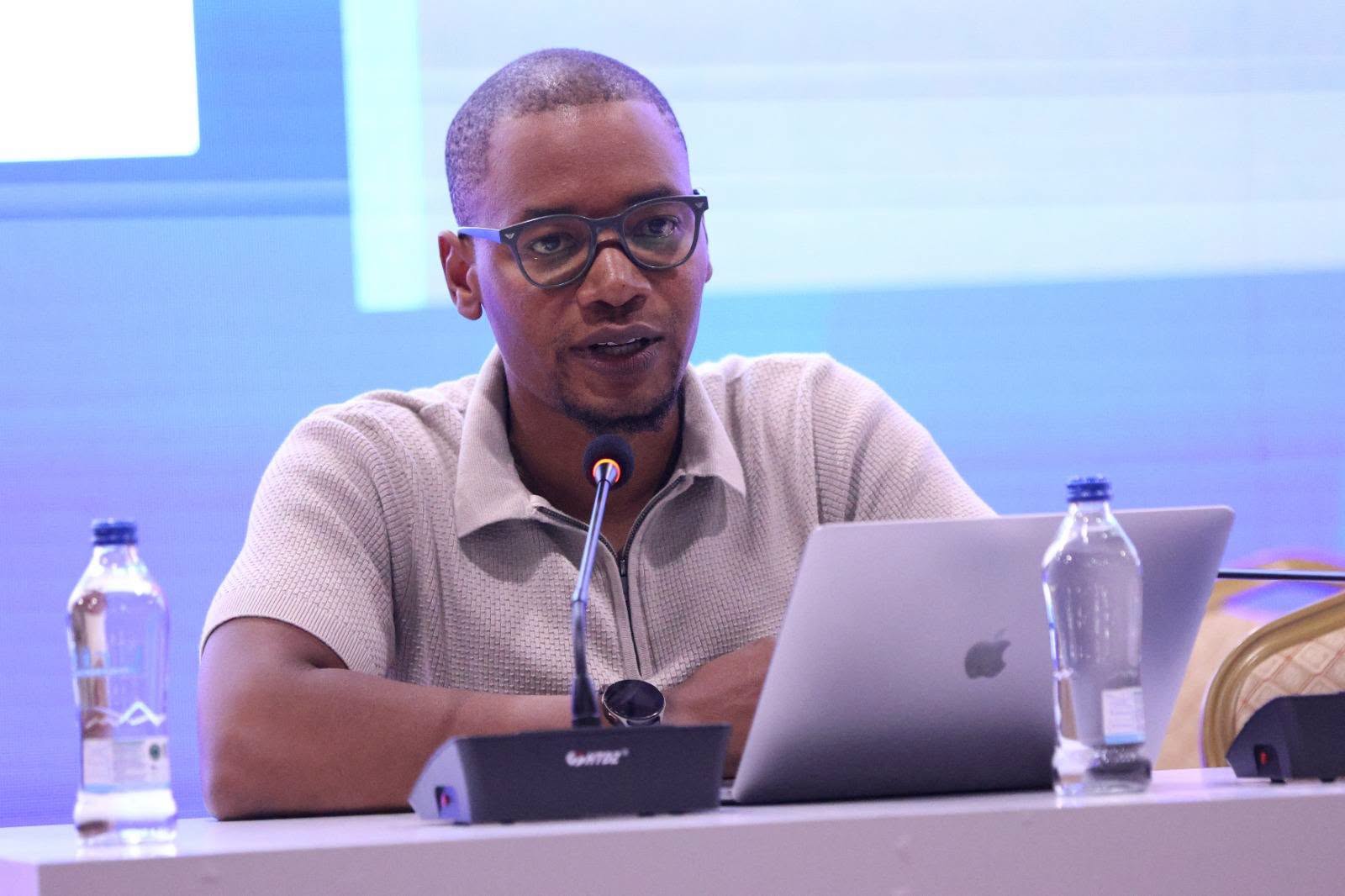
This leadership mandate builds on Antigua and Barbuda’s already established technical standing within the Alliance of Small Island States (AOSIS), as demonstrated during recent official AOSIS pre-COP preparatory gatherings. During those sessions, Arry Simon — AOSIS’s designated Lead Negotiator for Science and a senior technical representative from Antigua and Barbuda — delivered a detailed briefing to fellow AOSIS negotiators outlining the core scientific agenda items that will dominate formal COP31 deliberations.
Key focus areas mapped out in the preparatory discussions include advancing the UNFCCC’s Research and Systematic Observation (RSO) workstream, conducting the mandatory Periodic Review of the Paris Agreement’s long-term global temperature target, and ensuring that the latest findings from the Intergovernmental Panel on Climate Change (IPCC) fully inform the second iteration of the Paris Agreement’s Global Stocktake, which is scheduled to conclude in 2028. Negotiators emphasized that non-negotiable priorities for the bloc include preserving the critical 1.5°C global warming threshold, scaling up underfunded climate observation infrastructure across vulnerable island nations, and guaranteeing that peer-reviewed, up-to-date scientific assessments act as the foundational guide for all binding international climate policy action. Antigua and Barbuda has also formally tabled a formal advocacy push to accelerate the timely release of the IPCC’s Seventh Assessment Report, to ensure the most cutting-edge data on climate impacts, adaptation solutions, and mitigation pathways is available to shape the 2028 Global Stocktake process.
For Antigua and Barbuda and the broader Caribbean region, the outcomes of COP31 carry tangible, life-altering stakes: successful negotiations directly impact coastal erosion mitigation protections, national water security frameworks, local food system resilience, the long-term viability of the region’s tourism economy, and the ability of marginalized, at-risk communities to adapt to worsening extreme weather events. By combining its technical expertise within AOSIS and its new ministerial leadership mandate across CARICOM, Antigua and Barbuda is positioning itself to push for evidence-backed, equitable global climate policies, amplified regional representation in high-level UN climate talks, and tangible, actionable international commitments that safeguard the long-term survival and prosperity of small island nations worldwide.
Antigua and Barbuda to Lead CARICOM Climate Science Negotiations at COP31