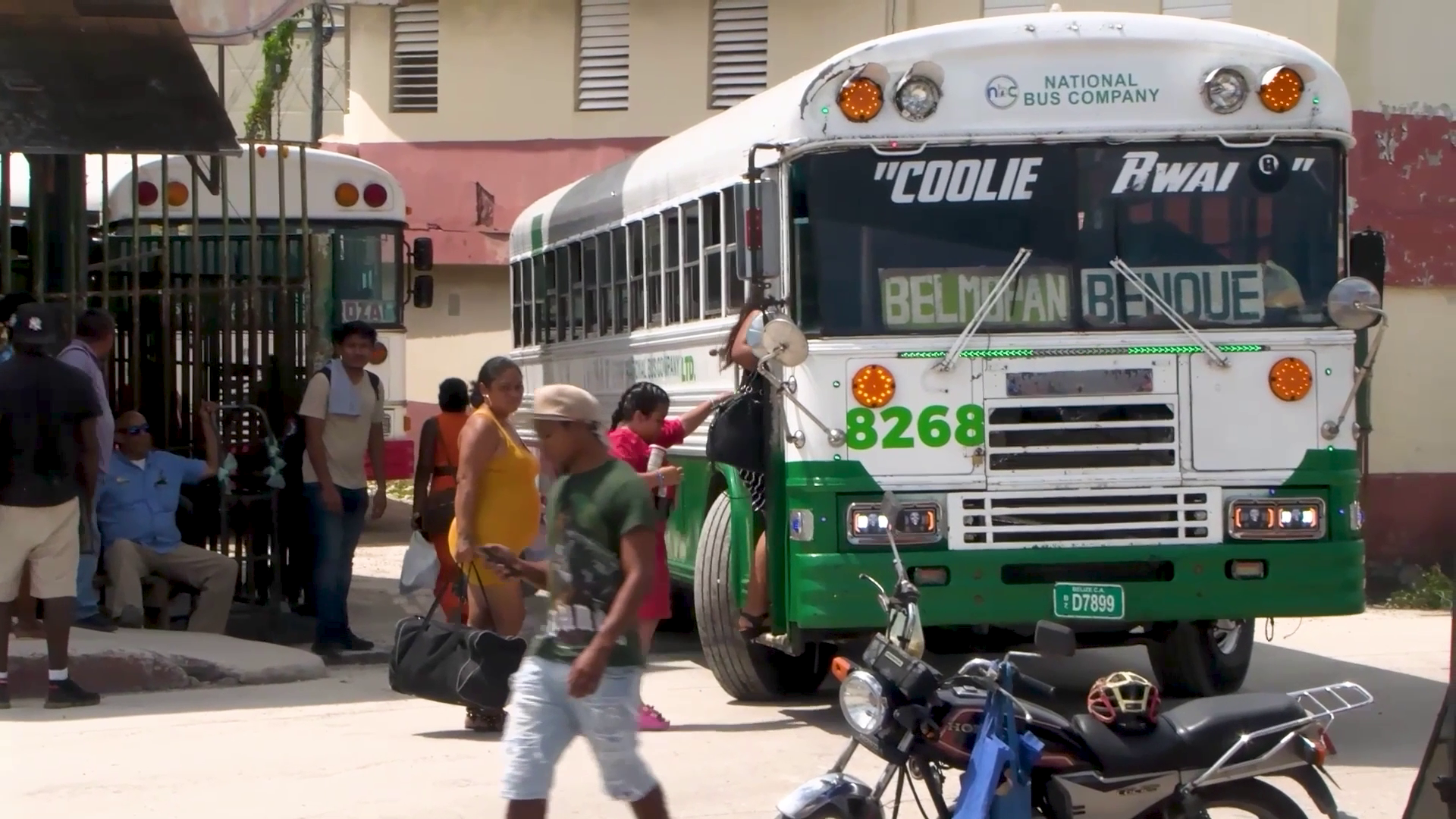
On November 5, 2026, the Belize Senate formally passed the contentious 2026 Public Transportation Investment Bill along a 9-4 division vote, a legislative move that has drawn fierce pushback from the nation’s private bus operator coalition over what they decry as preferential, unfair treatment for the state-run National Bus Company. In the lead-up to the final vote, representatives from the Belize Bus Association (BBA) made a last-ditch formal appeal to lawmakers, requesting a closed-door consultation session, equivalent tax and operational concessions for all private transit firms, and a third-party independent audit to assess the full fiscal and operational impacts of the proposed legislation before any final vote was held. Senate members rejected every one of these requests, clearing the way for the bill’s third and final reading following consideration by the Committee of the Whole Senate, as formally tabled by Leader of Government Business Anthony Sylvestre. The final text of the enacted bill authorizes substantial direct government capital injections into the National Bus Company, the full transfer and vesting of designated public transit assets to the state-owned entity, and a sweeping package of targeted tax breaks and duty exemptions exclusive to the national carrier. Immediately following the vote, BBA leadership released a public statement arguing that the lopsided regulatory and financial advantages granted to the state-backed operator create an unlevel playing field that threatens the long-term viability of dozens of independent private bus services that currently serve thousands of commuters across Belize. The association confirmed it is now actively reviewing potential legal avenues to contest the legislation, while also issuing a formal demand for dedicated, permanent representation for private operators on the national Transport Board to ensure their perspectives are centered in all future transit policy decisions. The final division of votes was formally called by Union Senator Glenfield Dennison, who requested a recorded headcount rather than a voice vote to document the clear split in legislative opinion on the high-stakes transit policy.