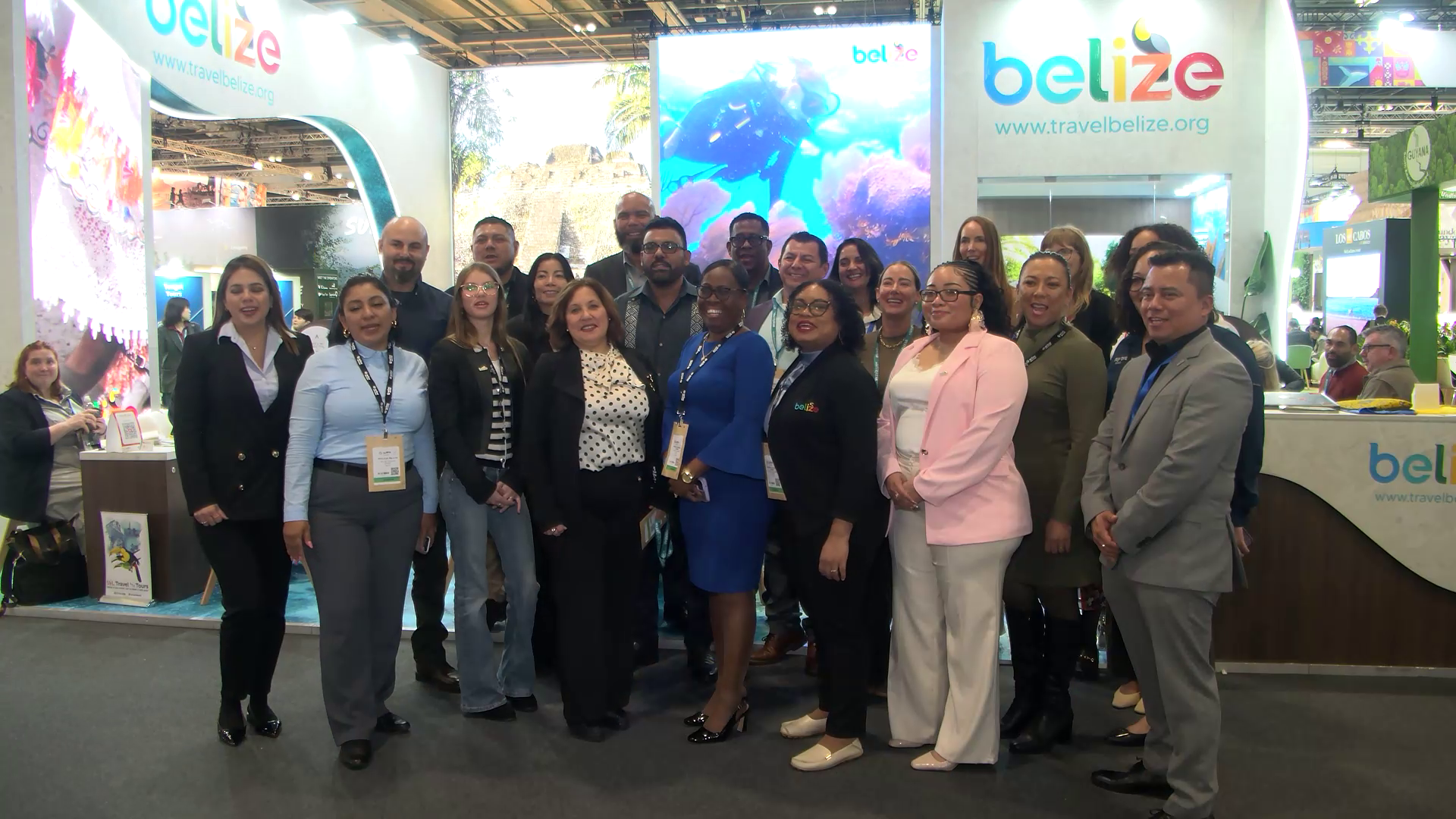
On November 3, 2026, Belize’s full delegation of tourism stakeholders made a high-stakes return to the World Travel Market (WTM) – one of the global tourism industry’s largest and most influential trade gatherings – held at London’s sprawling ExCeL Centre, marking the country’s first appearance at the flagship event in nearly 15 years. Far from a casual promotional showcase, the WTM functions as a high-pressure global commercial marketplace where tourism products are negotiated, packaged, and formalized into binding commercial agreements, pitting destinations from 180+ countries against one another to win partnerships with international tour operators, wholesalers, and travel buyers that translate directly to visitor arrivals, foreign exchange, and local economic growth. Belize’s delegation, comprising 9 to 10 private sector representatives including hoteliers, tour operators, destination management companies, alongside public tourism officials, is positioning the country as a competitive alternative to popular regional competitors such as Mexico, Costa Rica, Guatemala, and Colombia, after the launch of a new direct air route connecting Belize to European soil removed the core logistical barrier that justified the country’s long absence from the event. Belize’s Minister of Tourism Anthony Mahler emphasized that the event, which draws nearly 90,000 registered trade professionals rather than leisure consumers, is a critical non-negotiable investment rather than a leisure excursion, noting that his team is operating nonstop from early morning to late at night, back-to-back meetings with international wholesalers, tour operators, and global travel media to open new commercial pipelines. Addressing longstanding public concerns about the use of public funds for international trade show travel, Mahler stressed that every scheduled interaction is targeted to drive tangible economic returns rather than ceremonial appearances. Ted Tejada, General Manager of Best Western Belize, echoed the urgency of the country’s WTM participation, noting that local hospitality operators’ true competitors are not nearby domestic properties but competing global tropical destinations, and that failing to maintain a visible presence at high-profile industry events would allow rival locations to capture the attention of key European travel partners before Belize can introduce its unique product offerings. Boris Iraheta, Secretary General of the Central American Tourism Agency, highlighted that the UK and German markets combined account for 50% of all European outbound tourism to the Central American region, naming Belize as one of the most high-demand destinations for British travelers, and noting that Belize’s strategic positioning can also serve as a convenient regional travel gateway connecting the UK to the broader Central American tourism ecosystem. Reynaldo Malik, President of the Belize Hotel Association, noted that this year’s WTM delegation represents one of the largest coordinated private sector tourism turnouts in Belize’s recent history, with the association working in close formal partnership with the Belize Tourism Board to align all stakeholders’ promotional efforts. Event organizers confirmed that this year’s WTM hosts over 5,000 verified international travel buyers and expects more than 80,000 total industry attendees over its three-day run. For Belize, the true success of the long-awaited return to the event will not be measured by foot traffic to its booth, but by the volume of new commercial partnerships, curated travel packages, and confirmed visitor bookings that materialize in the months after the exhibition concludes.