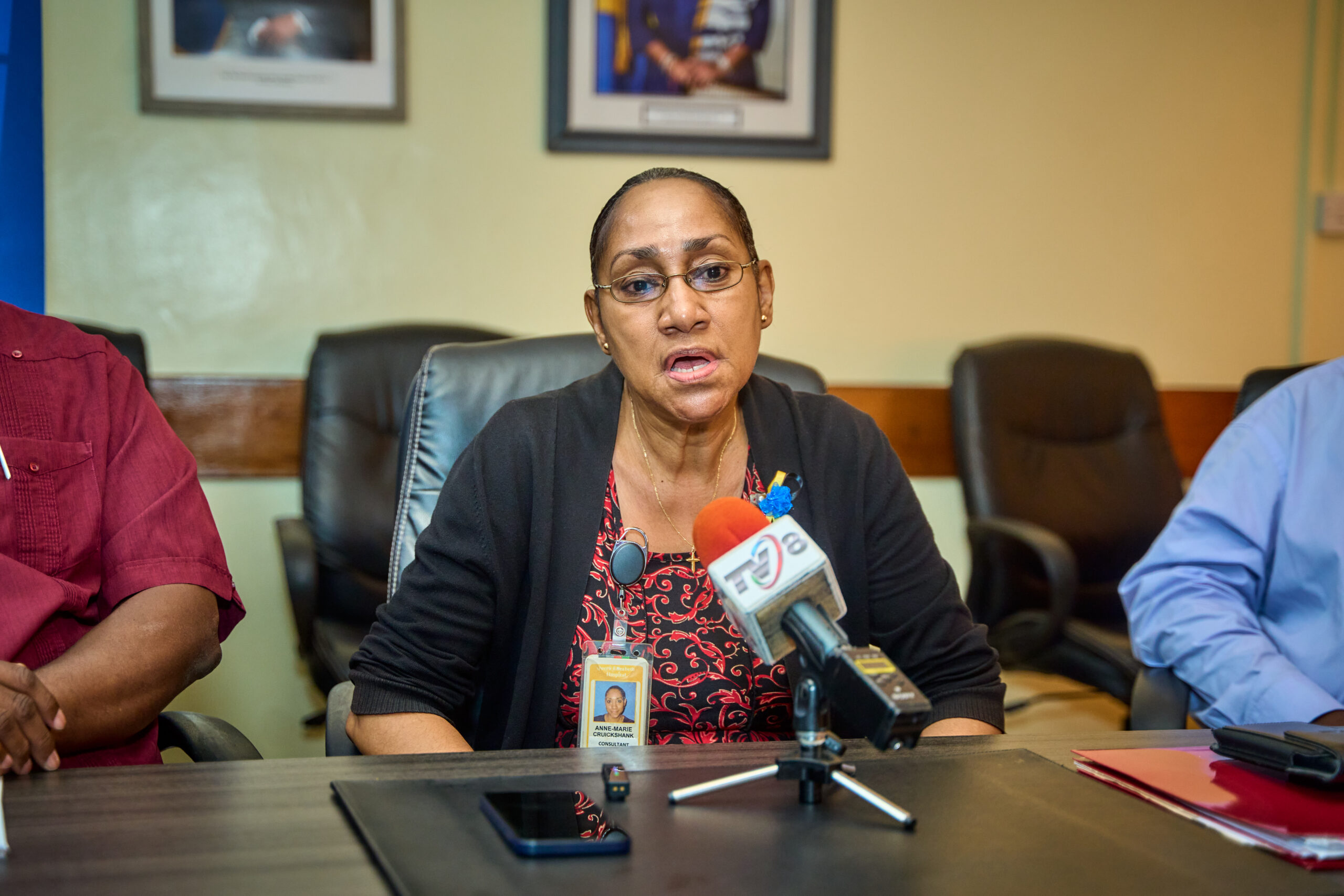
Top health officials at the Queen Elizabeth Hospital (QEH) have publicly outlined a cascading operational crisis that has left emergency patients stuck waiting for inpatient admission and forced widespread pauses on planned elective procedures, as its Accident and Emergency (A&E) department grapples with unprecedented spikes in patient volumes across multiple high-need categories.
A confluence of overlapping stressors is driving the system to its breaking point: surging complications from unmanaged chronic illnesses, a sharp rise in violent and road-related trauma cases, widespread seasonal respiratory infections, and a growing backlog of elderly patients who cannot be safely discharged due to lack of available community or family support. These pre-existing pressures have been drastically amplified by the unexpected loss of dozens of ward beds, triggered by structural fire damage to two units and mould contamination in a third, creating a bottleneck that traps patients in the A&E corridor long after they no longer require acute emergency care.
Addressing reporters during an official press conference held Tuesday to lay out the facility’s urgent challenges, Dr Anne-Marie Cruickshank, consultant and head of the A&E department, detailed that the unit is recording steady year-over-year growth in patients presenting with life-threatening complications from poorly managed non-communicable diseases, including acute myocardial infarctions, strokes, congestive heart failure, and severe trauma wounds. She noted that a large share of these patients have skipped scheduled primary care check-ups, failed to adhere to prescribed medication regimens, and ignored evidence-based dietary guidance for managing their chronic conditions, leading to avoidable emergency admissions that consume disproportionate amounts of clinical staff time, medical supplies, and critical equipment. “Caring for these preventable acute cases drains resources that could otherwise go to other patients who need emergency care,” Dr Cruickshank emphasized.
Trauma caseloads are placing an additional severe strain on overstretched A&E teams, with marked increases in injuries from motor vehicle collisions, gunshot wounds, and stabbings. Dr Cruickshank revealed that the department responded to an external mass casualty incident just last Sunday, triggered by two separate simultaneous road crashes that brought seven severely injured patients through the doors at once. The mass casualty response pulled nearly all on-duty clinical staff to the emergency resuscitation bays, drastically extending wait times for every other patient seeking urgent care that day. In response, Dr Cruickshank issued a public call for all motorists to drive with extreme caution, avoid operating vehicles under the influence of alcohol or drugs, and for community members to manage interpersonal conflicts and frustrations without resorting to violent behaviour.
One of the most underrecognized drivers of the bed crisis, Dr Cruickshank explained, is that 65% of all current A&E patients are aged 65 or older. While many of these older adults can be safely discharged home or to community care after their acute symptoms are stabilized, hospital staff are increasingly encountering situations where family members refuse to take their elderly relatives back home, effectively abandoning them to remain in the hospital long after they no longer need acute medical care. “Our A&E is designed exclusively for short-term acute emergency treatment, it has none of the dedicated staffing or facilities to support long-term residential care for older patients, and this unplanned long-term occupancy is eating up beds that should go to newly arriving emergency cases,” she noted. The department is also seeing sharp spikes in severe influenza and other respiratory infections, disproportionately affecting elderly people and infants, who face far higher risks of complications that require inpatient admission. Dr Cruickshank urged all members of the public, especially caregivers for young children and older adults, to re-adopt the low-cost public health precautions widely used during the COVID-19 pandemic, including consistent mask-wearing in crowded indoor spaces, rigorous handwashing, and regular use of hand sanitizer to cut down community transmission of respiratory viruses.
Dr Carlos Chase, the hospital’s Director of Medical Services, provided additional granular data on the scale of the crisis, confirming that 40 patients at QEH are currently relying on mechanical ventilator support, while a further 55 patients are fully stable and no longer require acute hospital care but remain admitted with no available discharge placement to move to. The entire system’s capacity has been gutted by the temporary closure of three inpatient wards: Wards C7 and C8 were damaged in an earlier fire, while Ward B4 was taken offline after unsafe mould growth was discovered. The loss of these ward beds has completely broken the normal patient flow from A&E to inpatient wards, creating the massive admission backlog and forcing the hospital to postpone almost all non-urgent elective surgeries, which require guaranteed post-procedure inpatient beds for 24 to 48 hours of monitoring.
However, Dr Chase outlined a clear path to restoring normal operations, noting that full remediation work on the fire-damaged and mould-affected wards is already well underway. All repairs and safety testing for Wards C7 and C8 are on track to be completed within 30 days, and the hospital is on track to partially or fully reopen all three affected wards in as little as one to two weeks, pending final safety inspections and staffing capacity assessments. As soon as the additional beds come back online, the hospital will immediately begin clearing the backlog of postponed elective procedures, with the goal of returning to full pre-crisis surgical volumes as quickly as possible. “We are optimistic that within the next 14 days, we will have most or all of these wards back in service, and we can resume delivering the full range of planned elective surgeries for our community, as long as our remediation work meets all required safety standards,” Dr Chase confirmed.