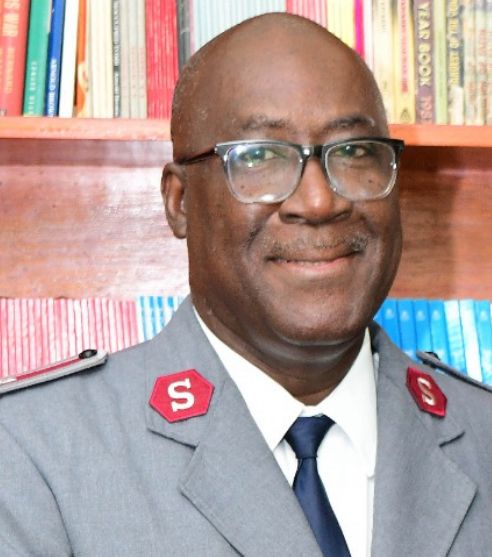
In a Tuesday exclusive interview with Barbados TODAY, Divisional Commander Major Robert Pyle of The Salvation Army laid out a stark portrait of surging unmet need across Barbados, as the island’s persistent cost-of-living crunch pushes growing numbers of vulnerable groups – including single-mother households, newly unemployed residents, and returning deportees from the United States – to seek critical support from the longstanding charity.
Pyle emphasized that the dual pressures of skyrocketing operational costs and a recent, tangible dip in public and corporate donations have stretched the organization’s resources thin, but he pledged that no core social service would be eliminated as the team works to meet unprecedented community demand. Notable emerging trends in recent months include a documented rise in visible street homelessness, plus a sharp uptick in requests for assistance from demographics that previously only turned to The Salvation Army as an absolute last resort, rather than a regular source of support.
The 158-year-old international Christian charity, which has operated on Barbadian soil since 1898, is now gearing up to launch its iconic annual Christmas Kettle Appeal this Friday, with a fundraising target of $850,000 to deliver holiday relief to thousands of residents grappling with steep food price hikes. This year’s campaign carries the theme “Bringing Hope to the Table,” a deliberate framing chosen to center the organization’s commitment to preserving beloved, longstanding Bajan Christmas traditions for low-income communities, even as ingredient and supply costs soar.
Planned holiday programming includes the distribution of 4,800 curated food hampers across every parish of Barbados, plus the annual community Christmas luncheon at the organization’s Reed Street headquarters, which will serve 400 pre-registered guests this year. Pyle explained that advance free ticketing is required to manage capacity, ensuring the meal remains a special, joyful treat for regular program participants who rely on The Salvation Army’s support throughout the year. He stressed that the team is refusing to cut corners on the quality or size of the holiday meals and hampers, to ensure less fortunate Barbadians can access the same festive joy and hearty, nourishing feast that more financially secure households enjoy over the Christmas period.
Pyle acknowledged that while consistent generosity from local individual donors and Barbadian businesses has allowed the organization to avoid service cuts to date, donation volumes have slipped noticeably, limiting the frequency with which the team can support every person in need. He noted that a collaborative, cross-sector network of local non-governmental organizations has stepped in to fill gaps, ensuring that no vulnerable resident is turned away without support even if The Salvation Army lacks supplies to assist them on a given day.
Pointing to global economic headwinds driven by ongoing international conflicts that have rippled through local household and organizational budgets alike, Pyle expressed cautious optimism that longstanding corporate partners will once again rally to support the Christmas appeal. He added that the team maintains faith that resources will emerge to meet unmet community needs.
The Barbados Salvation Army’s local community footprint stretches back decades: it first launched a small-scale feeding program in 1979, later rebuilt its hostel for unhoused men in 2007 and relocated its feeding center to the same property. Its current suite of ongoing services includes supportive housing for low-income men, a three-tier meal program run in partnership with the national Welfare Department, a meals-on-wheels delivery service for elderly and physically disabled residents, and a community pantry that distributes grocery hampers, clothing, and furniture to fire survivors and other vulnerable residents referred by partner public agencies.
Salvation Army faces rising demand as donations fall