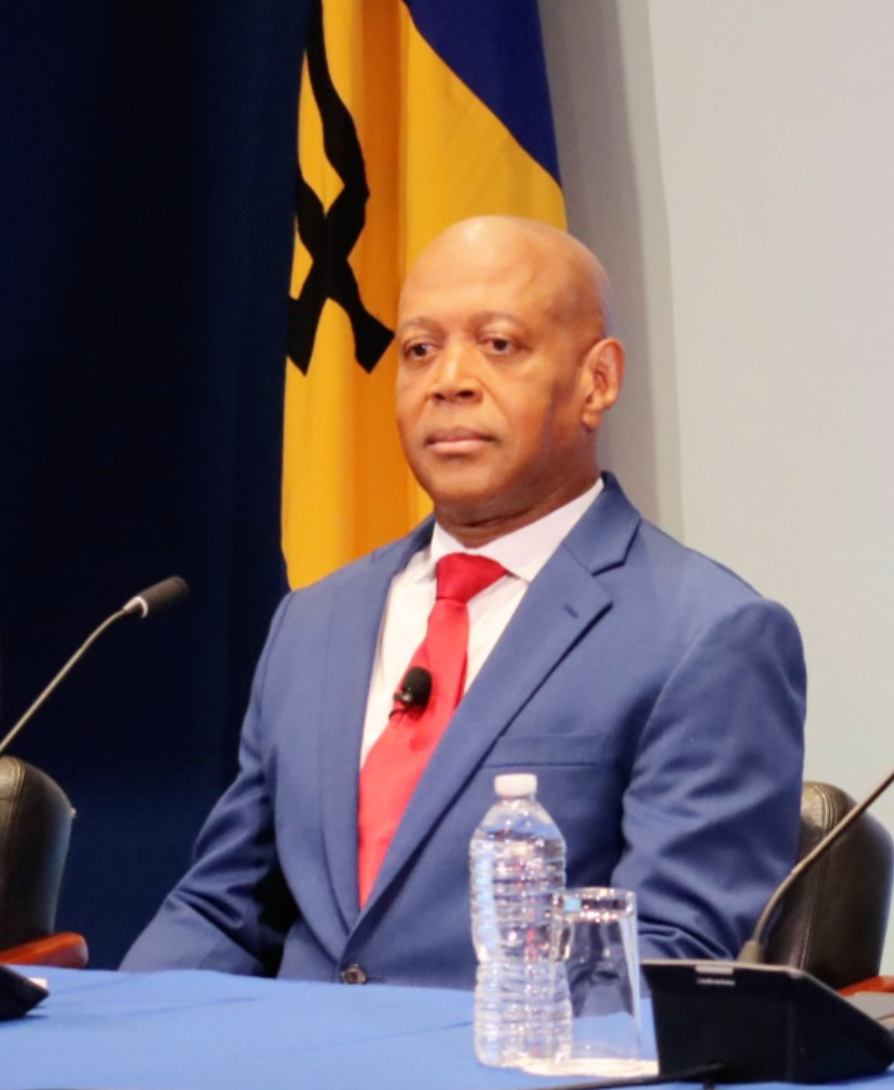
Delivering his official third-quarter 2024 economic performance briefing to assembled reporters, Barbados Central Bank Governor Dr. Kevin Greenidge issued a stark public advisory this week that the Mia Mottley-led administration cannot maintain indefinite fiscal protections for households and local businesses against volatile global energy price surges, as repeated external economic shocks become a persistent new normal for the small island nation. For months following the March national budget rollout, the Mottley government has operated an active energy price hedging program designed to insulate local consumers from the sharp spikes in global oil markets triggered by ongoing geopolitical tensions between the U.S., Israel, and Iran. The administration has already allocated a substantial portfolio of targeted energy relief measures embedded in this year’s budget framework to keep utility and fuel costs artificially low for everyday Barbadians. But Dr. Greenidge emphasized that these stopgap fiscal interventions carry unsustainable long-term costs. “When unforeseen shocks hit, it is entirely reasonable for the fiscal authority to step in with targeted support, as we saw during the height of the COVID-19 pandemic, and as the government has done to soften the blow of runaway oil prices in recent months,” he explained during the briefing. “But the frequency of these global shocks is no longer an anomaly — they have become the standard operating environment. No government can sustain this level of intervention forever.” The central bank chief noted that diverting growing volumes of public revenue to perpetual energy subsidies would siphon critical funding away from high-priority productive public investments in infrastructure, education, and local industry growth. Alternatively, extending these relief programs indefinitely would force the government to take on additional sovereign debt, driving up national debt levels and creating long-term fiscal vulnerabilities for future generations. Instead of relying on government buffers, Dr. Greenidge called for immediate, widespread behavioral shifts across both the private business sector and individual households to cut overall dependence on imported fossil fuels. He outlined actionable steps ranging from reduced discretionary electricity consumption, widespread residential and commercial investment in rooftop solar power systems, and adoption of energy-efficient operational technologies for local businesses to cut overall energy footprints. He stressed that reducing reliance on globally priced fossil fuels that national policymakers have no control over is the only long-term, sustainable path to shield Barbados from the cascading impacts of future global energy market disruptions.