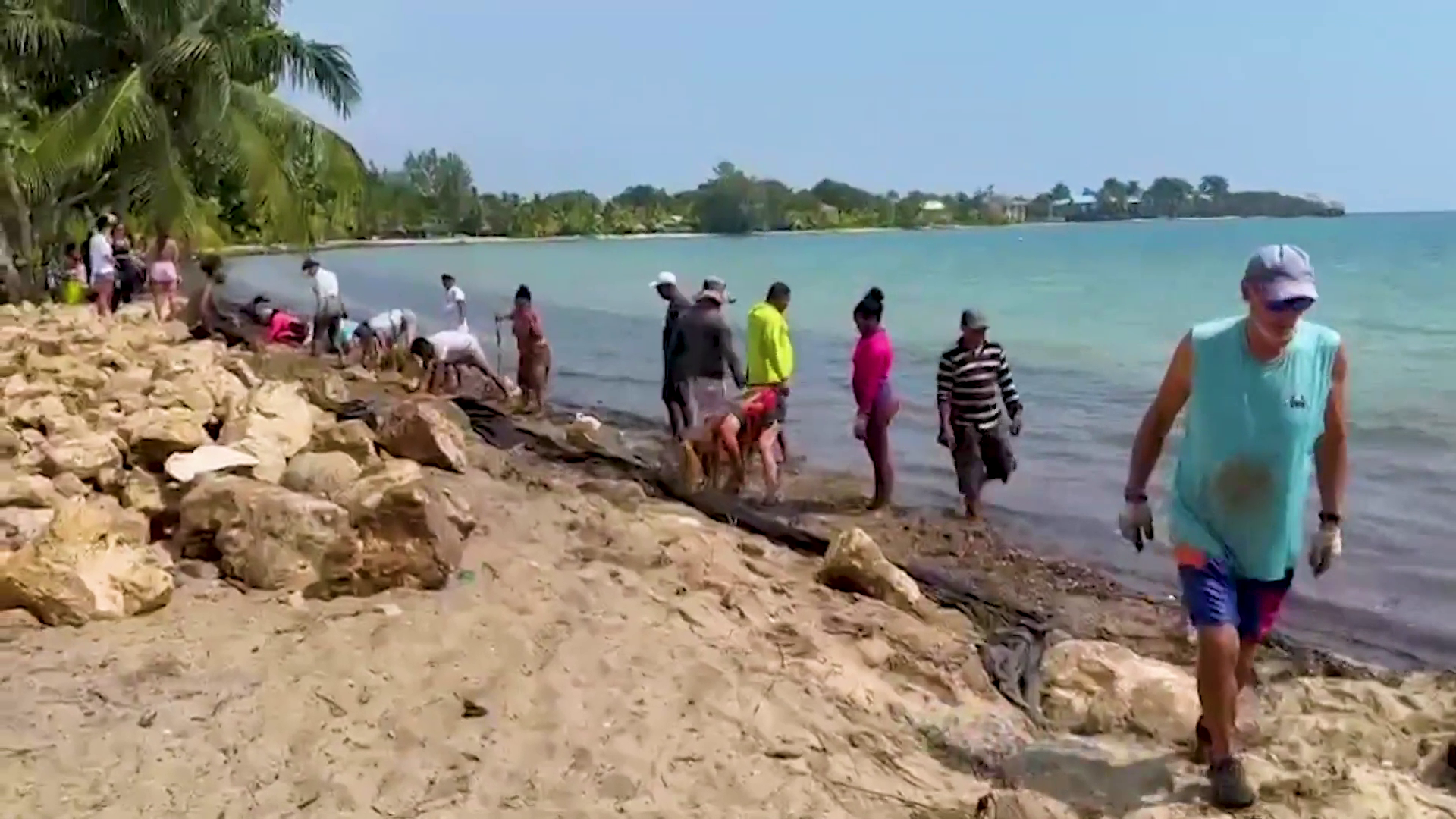
Dated November 2, 2026, this report centers on the growing dual threats of accelerating shoreline erosion and persistent sargassum influx facing Placencia, one of Belize’s most iconic coastal tourism hotspots. For decades, the narrow Placencia peninsula has built its global reputation on pristine white-sand beaches, crystal-clear Caribbean waters and sun-soaked leisure experiences that underpin thousands of local livelihoods tied directly to the tourism sector. But in recent months, business owners, village leaders and coastal residents have documented the worst coastal erosion rates seen in over 30 years, with swathes of once-vibrant beachfront vanishing entirely as tides creep steadily closer to shoreline infrastructure. While a temporary lull in sargassum landings has offered a brief window of relief, local stakeholders warn that this reprieve is fleeting, and that inaction from national authorities in the coming weeks could derail the upcoming high-tourism season that sustains most of the community’s economy. The Placencia Village Council recently convened an emergency closed-door meeting with dozens of tourism operators, small business owners and coastal conservation representatives to align on collective demands for immediate government intervention. Warren Garbutt, Chair of the Placencia Village Council, emphasized that widespread frustration stems not just from the visible erosion damage, but from a near-total lack of transparent, actionable public updates on national sargassum preparedness plans, even during the current low-volume period when pre-emptive mitigation work would be most effective. Local stakeholders are calling on the national government to roll out targeted, science-backed short-term beach replenishment projects using ecologically compatible sediment sources, paired with formal independent technical oversight to ensure restoration works do not trigger unforeseen harm to nearby coral reefs or seagrass ecosystems. For the long-running sargassum crisis, which first began impacting Belize’s coasts in 2016-2017, official pathways to major international funding are now on the table, according to Dr. Osmond Martinez, Belize’s Minister of Economic Transformation. During a recent trip to the World Bank Annual Meetings in Thailand alongside the Prime Minister, Martinez confirmed that the World Bank has pledged USD 10 million in dedicated assistance for sargassum mitigation, while the Inter-American Development Bank (IDB) has a separate USD 20 million facility earmarked for regional Caribbean sargassum response. However, accessing the full IDB allocation would require the Government of Belize to formally classify sargassum inundation as a national natural disaster, placing it on the same policy footing as hurricanes, tropical floods, droughts and wildfire events to unlock rapid disbursement protocols. National authorities are also evaluating an innovative technical proposal from Taiwanese environmental experts that would see fleets of specialized offshore vessels harvest floating sargassum before it drifts onto beaches and becomes contaminated with coastal debris and microplastics, processing the collected seaweed into low-carbon biomass pellets for residential and industrial energy generation. Officials have additionally flagged the nearby Monkey River coastal management framework as a potential replicable model for integrated long-term erosion and sargassum mitigation across the Placencia peninsula. Despite these ongoing behind-the-scenes discussions, Garbutt stressed that local communities have grown disillusioned with the pattern of official attention to sargassum and coastal erosion fading entirely as soon as temporary relief arrives, with no sustained long-term planning or consistent public communication between crisis events. Martinez pushed back on criticism that progress has been stagnant, noting that the government has already brought in a cohort of international coastal resilience and marine algae management specialists to draft a comprehensive multi-year intervention proposal, with priority placed on designing solutions that strengthen rather than degrade Belize’s fragile coastal ecosystems. For Placencia’s tourism operators, though, the timeline for meaningful action is rapidly shrinking, as the peak winter travel season is just weeks away, and unaddressed erosion and unplanned sargassum landings could erase years of investment in the destination’s global brand appeal.