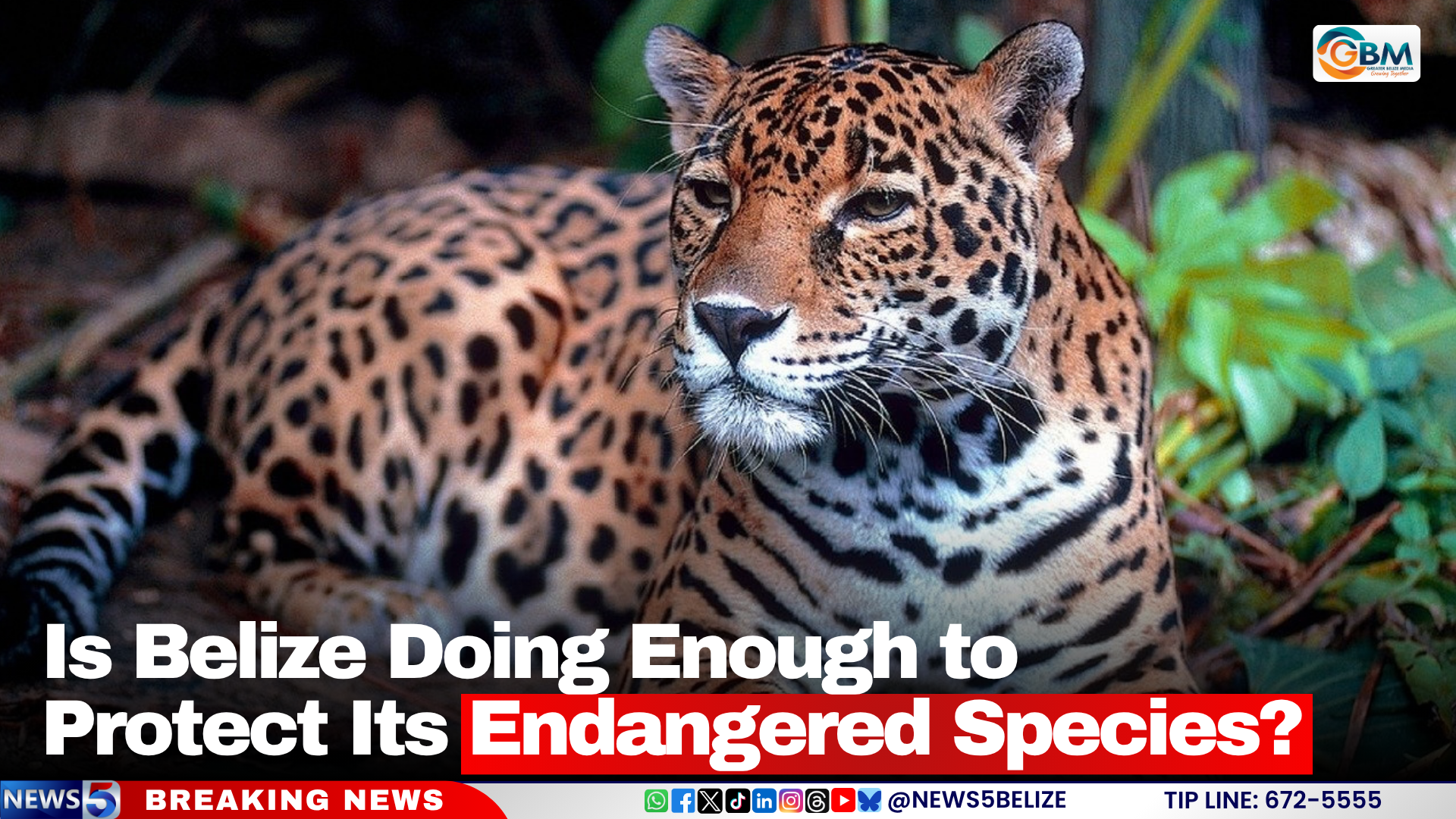
Released on October 18, 2026, ahead of the upcoming UN Biodiversity Conference hosted in Armenia, the United Nations’ landmark *State of Biodiversity Action* report delivers a sobering global update on implementation of the 2022 Kunming-Montreal Global Biodiversity Framework, a landmark agreement that laid out 23 actionable targets to halt and reverse planetary biodiversity loss by the end of 2030. The analysis reveals that while nearly 90% of nations have drafted their own national nature protection and restoration targets, less than half of these assessed domestic plans are currently on track to meet their stated goals. Persistent systemic barriers holding back global progress include chronic underfunding of conservation initiatives, widespread gaps in species and ecosystem monitoring infrastructure, and fragmented coordination across government agencies, private industries and local stakeholder groups – shortfalls that put the flagship global 30×30 goal of conserving 30% of the world’s land and marine territories by 2030 at significant risk. Against this global backdrop, the small Central American nation of Belize has rolled out its 10-year National Wildlife Policy, Strategy and Action Plan spanning 2025 to 2035, with a core mandate to eliminate preventable extinctions of native species over the coming decade. The comprehensive framework outlines targeted interventions including critical habitat preservation, crackdowns on illegal wild harvesting, standardized long-term population monitoring protocols, and structured community co-management programs to embed local stewardship at the heart of conservation work. The policy documents flag 244 terrestrial and marine species across Belize that fall under global conservation concern, categorized as critically endangered, endangered or vulnerable, with high-profile at-risk species including the iconic jaguar, Baird’s tapir, Central American spider monkey, vibrant yellow-headed parrot, and the regionally endemic hicatee turtle. Key documented threats pushing these species toward population collapse include unregulated habitat destruction driven by expanding agricultural frontiers and unplanned urban development, as well as rising incidents of harmful human-wildlife conflict. To reinforce these policy commitments, Belize’s Forest Department has drafted the new Wildlife Conservation and Management Bill, a sweeping piece of legislation designed to replace the outdated 1981 Wildlife Protection Act that has governed the country’s wildlife oversight for more than four decades. Victoria Chi, the Forest Department’s lead wildlife management officer, emphasized the transformative potential of the long-revised bill in a recent interview with local outlet News 5. “We have worked through years of iterative revisions to get this text to its current stage, and this new bill is a genuine game changer for every aspect of wildlife management and conservation across Belize,” Chi noted, adding that the department is pushing for the bill to receive full legislative approval by the end of November 2026. The UN report’s closing warning underscores that formal policy commitments on paper are insufficient to reverse accelerating biodiversity loss, as nations worldwide face the urgent, time-sensitive challenge of translating carefully drafted conservation plans into tangible, measurable on-the-ground outcomes for threatened species and their fragile native ecosystems as the 2030 deadline for Kunming-Montreal targets rapidly approaches.