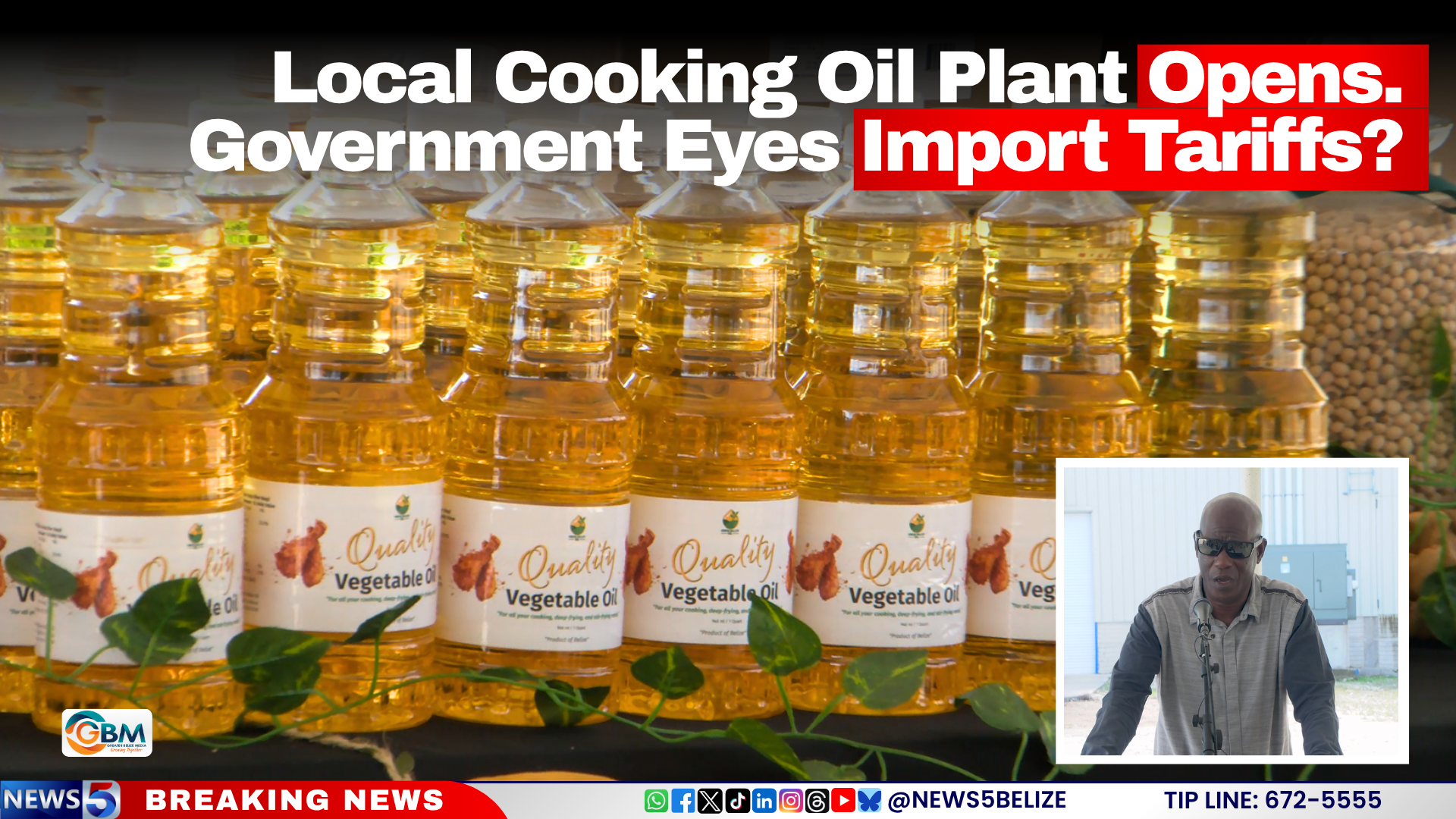
On October 28, 2026, Belize’s Cayo District marked a major milestone in its domestic food production landscape with the official opening of Green Valley Oil’s state-of-the-art soybean processing facility in Spanish Lookout. The newly operational plant is purpose-built to refine locally harvested soybeans into market-ready cooking oil, delivering two immediate tangible benefits for Belize’s agricultural sector: a dedicated, steady local purchaser for soybean farmers who previously had limited domestic outlets for their crops, and a clear pathway to reduce the nation’s longstanding dependence on foreign-imported edible oil products.
Beyond eliminating the need to sell raw, unprocessed soybeans at low global commodity prices, the facility adds significant downstream value to Belize’s agricultural output, keeping more revenue from soybean production within local communities rather than leaking to overseas processors. During the launch event, Minister Rodwell Ferguson laid out a targeted, conditional policy framework to support the new domestic industry: he confirmed he will formally bring a proposal before Belize’s Cabinet to raise import tariffs on foreign cooking oil, but only once Green Valley Oil’s production scales up to fully meet 100% of national domestic demand. Ferguson emphasized that the planned tariff adjustment will intentionally make imported cooking oil more expensive than the locally produced alternative, to nudge consumers to prioritize domestic products without imposing unfair cost burdens while local supply is still ramping up.
The conditional tariff rollout is part of a far broader, government-led strategic initiative to align Belize’s total agricultural production capacity with unmet consumer demand across both the domestic market and the full Caribbean Community (CARICOM) single market and economy. Ferguson noted that he has directed Belize’s Chief Agriculture Officer to draft a comprehensive inventory of all agricultural and processed food goods the country is already capable of producing at scale, while formally requesting the CARICOM Secretariat to compile a full breakdown of the regional bloc’s total food consumption requirements. The side-by-side comparison of these two datasets will identify clear, untapped production gaps where Belize can expand output to capture new regional export markets, rather than continuing to import products it could feasibly grow or process domestically. To reinforce this long-term vision, the government is also rolling out targeted incentives to draw new foreign and local investment into the domestic food processing sector, while working to streamline cross-border trade logistics to expand reliable export routes to CARICOM member states, as well as neighboring Central American and South American markets.
Local Cooking Oil Plant Opens. Government Eyes Import Tariffs?