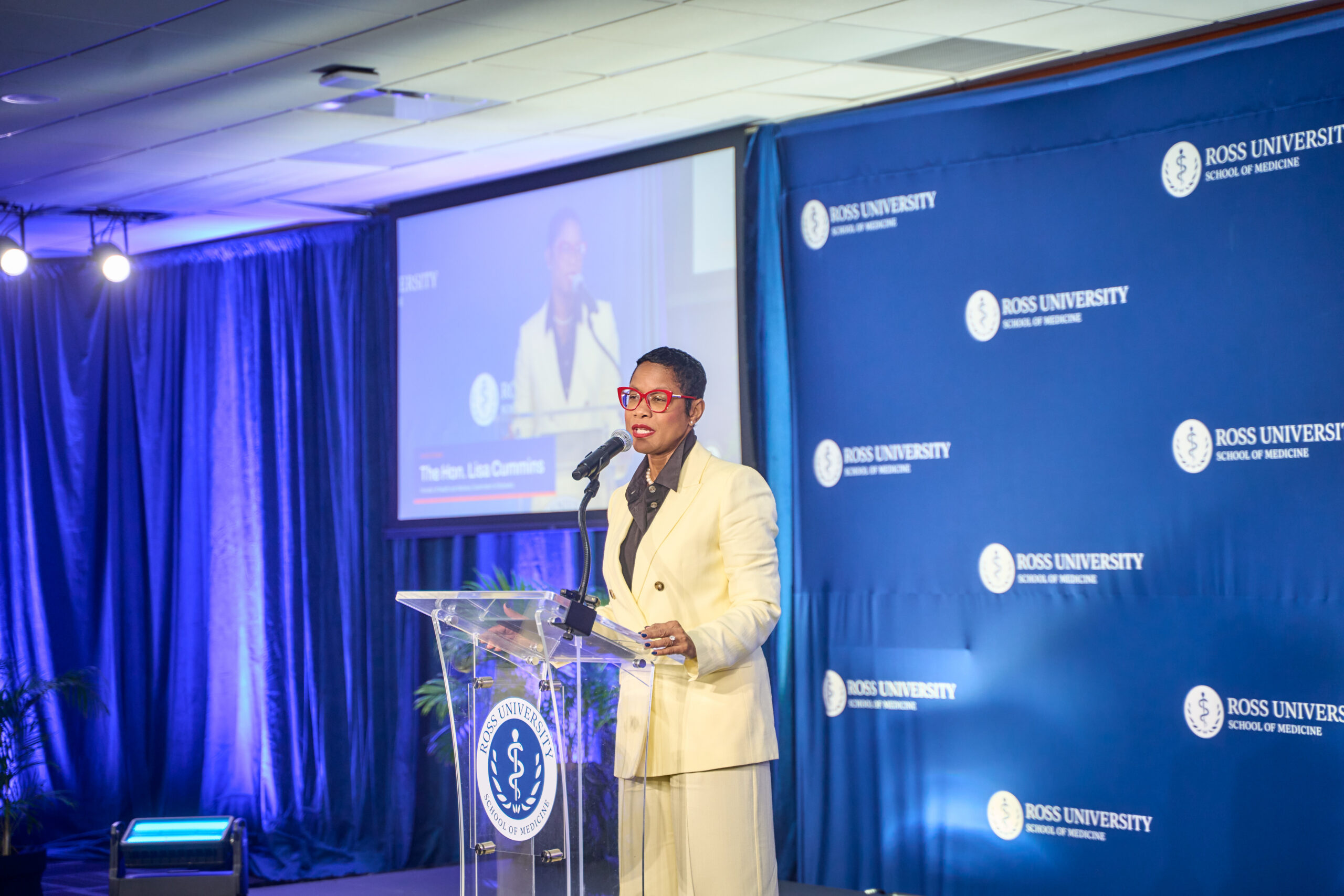
During the opening plenary of the Ross University School of Medicine (RUSM) Climate & One Health Conference themed “One Health, One Future: Building Resilient Communities in a Changing Climate” on Tuesday, Barbados Health Minister Senator Lisa Cummins issued a stark public warning that climate-fueled extreme events are putting life-sustaining essential health services at severe risk of collapse for the country’s most vulnerable populations. Cummins laid out the urgent, on-the-ground policy dilemmas her ministry grapples with amid rising climate volatility: whether renal patients can safely travel to scheduled dialysis sessions, whether temperature-sensitive medications remain properly stored and accessible during crises, whether expectant mothers can reach emergency obstetric care in time, and even whether frontline healthcare staff can leave their own climate-impacted households to report for duty to care for others. The high-profile gathering convened hundreds of regional and global stakeholders spanning policymakers, clinicians, environmental scientists, academics, students, and grassroots community leaders to unpack the interconnected, interdependent links between human well-being, animal health, and ecosystem stability at a time of accelerating planetary warming. For small island nations like Barbados, the minister emphasized, overlapping climate stressors ranging from prolonged water scarcity, record-breaking extreme heat, cascading food supply chain disruptions, and storm-inflicted damage to medical infrastructure create unsustainable fiscal trade-offs: national budgets are stretched thin to split limited public funds between routine day-to-day healthcare operations, polyclinic upgrades, medicine stockpiles, and staff support, and unplanned climate disaster preparedness and post-event recovery costs. She posed a foundational, unaddressed question to conference attendees: what collective action is required to keep entire populations healthy when the very environmental conditions that underpin public health are under unprecedented strain? Cummins further noted that these cascading climate pressures do not stop at the health sector’s borders, spilling over to harm the island’s broader macroeconomic performance and depleting limited public fiscal reserves. To address these overlapping threats, she outlined a clear call for unified, cross-stakeholder action that breaks down traditional silos: coordinated collaboration across government agencies, private industry partners, civil society groups, and local community organizations to ensure shared risk data, transparent information flows, and synchronized resource deployment that prevents critical gaps in care during crises. She also highlighted the underrecognized, critical link between climate disruption, food system stability, and population health: shifting soil and water conditions are eroding domestic agricultural output, while volatile global energy prices, port delays, and fractured international supply chains are driving up the cost and reducing the availability of imported food, directly narrowing affordable, nutritious dietary choices for ordinary Barbadian households. The minister stressed that targeted, practical solutions that break down barriers between the agriculture, public health, and trade sectors are urgently needed to mitigate these overlapping risks, framing the RUSM conference as a critical launchpad to translate cross-disciplinary expertise into tangible, actionable policies that build long-term community resilience. Official event photography by Shamar Blunt documented the opening session proceedings.