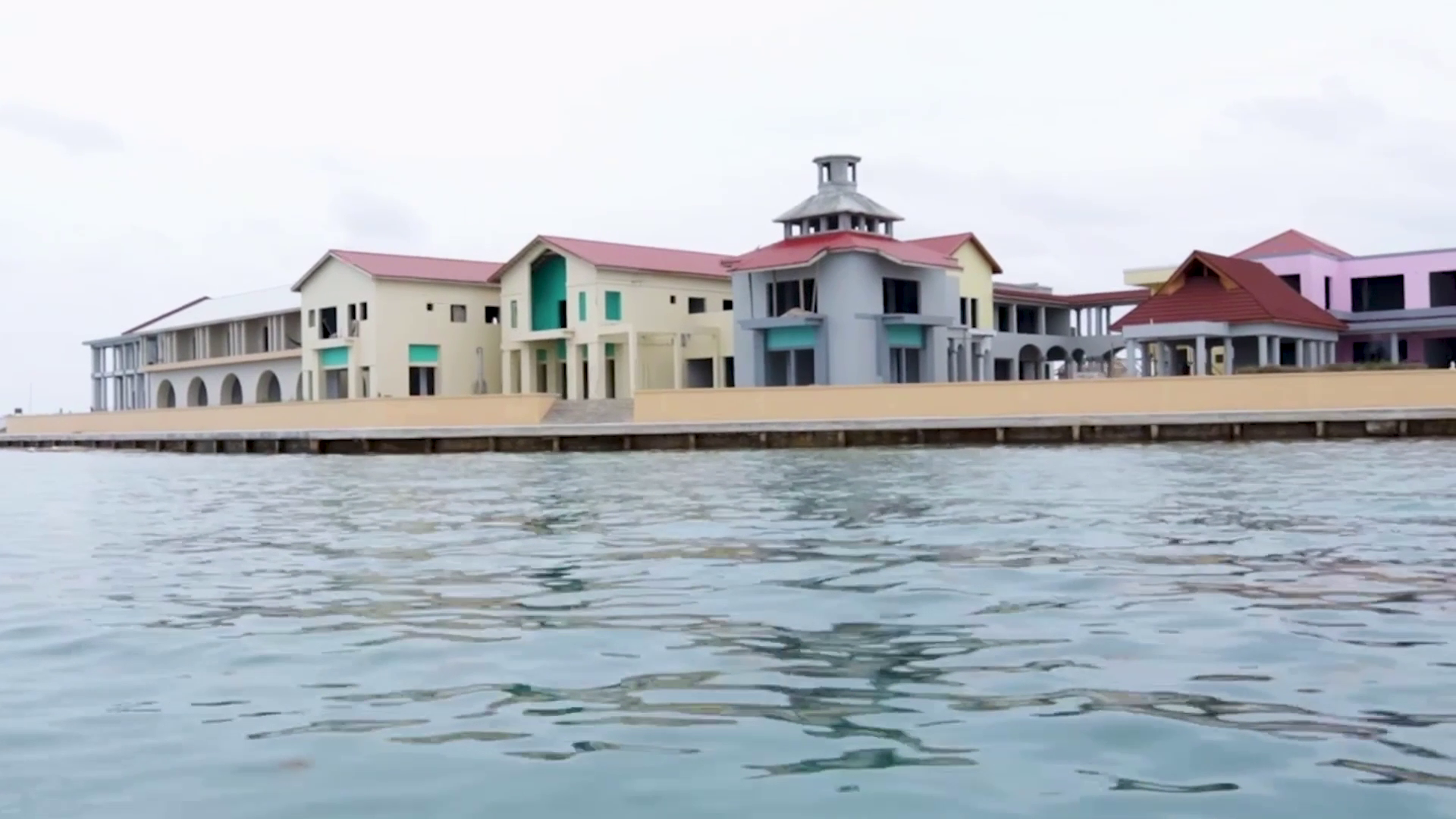
On October 27, 2026, the years-long legal battle surrounding Belize’s Stake Bank development has formally landed before the Caribbean Court of Justice (CCJ), the region’s highest judicial authority, as real estate developer Michael Feinstein pursues a last-ditch effort to overturn a series of lower court rulings that upheld the government’s compulsory seizure of his 23.4-acre waterfront parcel earmarked for a major cruise port expansion.
Feinstein’s legal team, led by prominent attorney Anand Ramlogan, is petitioning the CCJ to admit newly unearthed documentary evidence that the legal team argues exposes critical procedural and substantive flaws in the state’s 2024 decision to expropriate the land. Ramlogan laid out the tight, contested timeline of the dispute during oral arguments: a little-noticed comparative port feasibility report commissioned by the Ministry of Tourism was finalized on June 14, 2024, just 10 weeks before the government formally launched compulsory acquisition proceedings on August 26 of that year. Feinstein’s initial legal challenge to the seizure, filed September 9, 2024, was dismissed by the High Court in January 2025, and his subsequent appeal to the Court of Appeal was submitted the following month. The developer only obtained access to the previously undisclosed tourism ministry feasibility report in July 2025, prompting an emergency application to introduce the new evidence in ongoing proceedings, a bid that local courts rejected most recently on April 24, 2026. That dismissal is what cleared the path for the current CCJ appeal.
During the hearing, lead Feinstein counsel Dean Barrow emphasized that the CCJ’s core test for admitting the late-filed evidence hinges on a single key standard: would the contents of the 2024 tourism ministry report, if it had been presented to the High Court and Court of Appeal during earlier proceedings, have materially altered the final rulings on the legality of the land seizure?
Counsel representing opposing parties Stake Bank Enterprises and Atlantic Bank, led by Eamon Courtenay, pushed back firmly against the petition, arguing that the comparative analysis of two competing cruise port projects contained in the newly surfaced report was exclusively drafted as internal advisory material for the tourism ministry’s pre-acquisition planning, and does nothing to undermine the state’s legitimate public interest justification for seizing the land to deliver the long-delayed cruise port infrastructure project, which is projected to drive thousands of tourism sector jobs and annual visitor spending growth for the national economy.
After hearing full submissions from all three legal teams, the three-judge CCJ panel announced it would reserve its final ruling on the admissibility of the new evidence and the merits of Feinstein’s appeal, with no specific release date set for the forthcoming decision.
Stake Bank Battle Reaches Caribbean Court of Justice