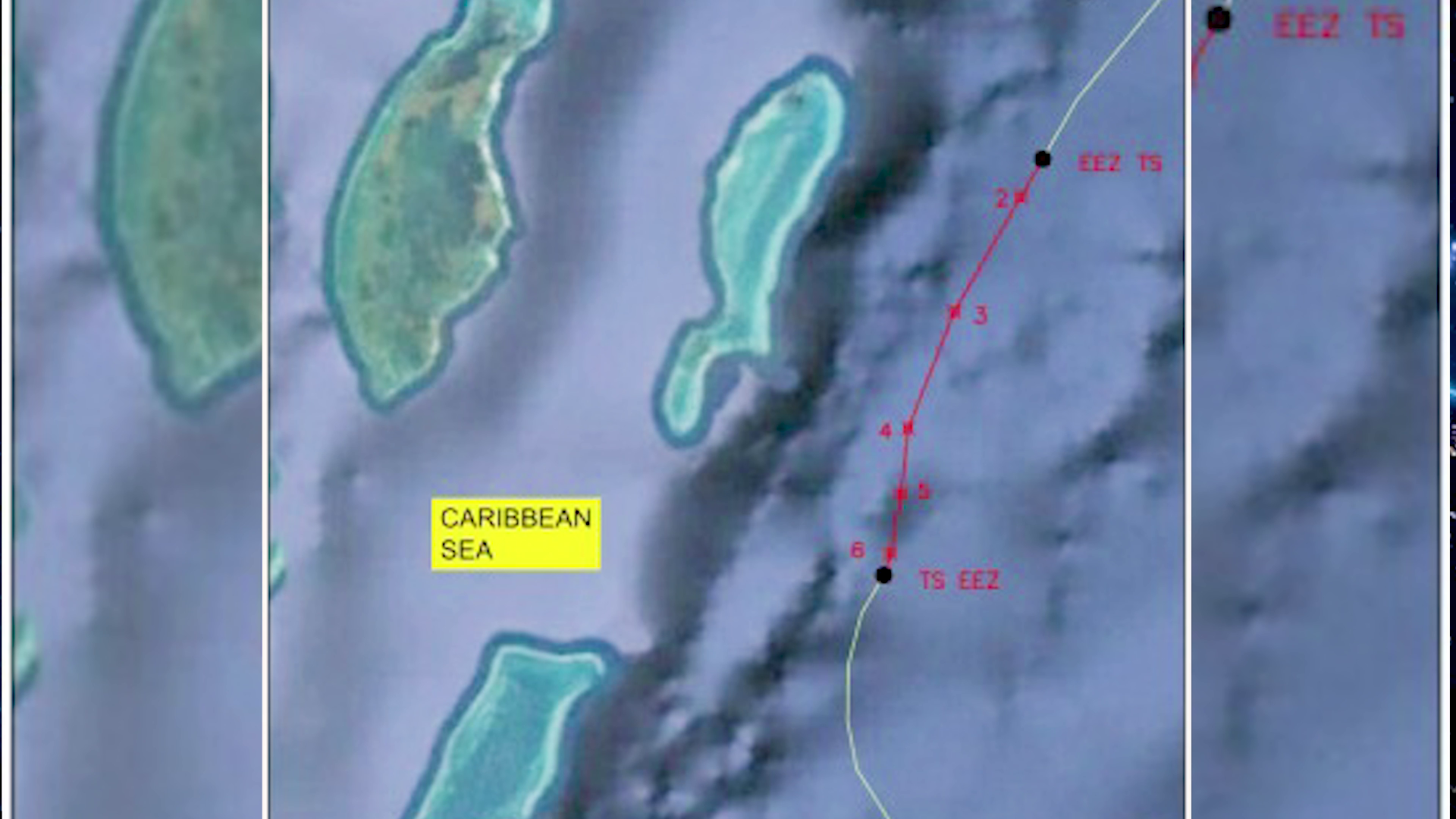
On October 27, 2026, Belizean public broadcaster News Five reported on a developing cross-border infrastructure plan that pits critical regional digital connectivity goals against long-standing marine conservation protections at one of the country’s most ecologically sensitive protected sites.
The planned Trans Americas Fiber System (TAM-1) undersea cable is designed to deliver high-speed, reliable digital links connecting Mexico, Guatemala, and Honduras, a long-sought upgrade to narrow the digital divide across the northern Central American region. However, the proposed routing for the subsea communications line cuts through a designated section of Belize’s Sapodilla Cayes Marine Reserve, a federally protected marine zone renowned for its fragile tropical marine habitats.
Preliminary environmental impact assessment documentation for the project has projected overall minimal ecological disruption, but regulatory filings also flag measurable, non-negligible risks to local coral colonies, extensive seagrass meadows, and the soft seabed substrate, alongside low-probability but high-consequence hazards such as marine fuel spills during cable laying operations.
In a morning interview with News Five, Leonardo Chavarria, Executive Director of the Toledo Institute for Development and Environment (TIDE), the leading stewardship organization overseeing Sapodilla Cayes protection, shared details of his team’s review of the project plans. Chavarria explained that TIDE first received formal notification of the TAM-1 proposal six to eight months prior directly from the engineering consultants contracted to manage cable deployment. He emphasized that the selected cable route falls within Zone 4 of the reserve, the largest designated conservation management zone in the entire protected area, and that the specific stretch slated for cable burial is intentionally sited outside of high-priority ecologically sensitive zones: it sits far from established coral reef systems and documented fish spawning aggregation hotspots, and falls entirely within the reserve’s designated deep-sea fishing management zone.
Chavarria noted that nearly all of TIDE’s initial conservation concerns have been addressed through revised routing and mitigation plans, with projected ecosystem impacts limited to temporary, minor disturbance of the immediate seabed where the cable is buried, with no meaningful long-term harm to the reserve’s broader marine ecosystems expected. Project developers have confirmed that full construction and deployment of the undersea cable will only move forward after the formal Environmental Impact Assessment (EIA) review and approval process is fully completed by Belize’s national environmental regulatory authorities.
Connectivity Versus Conservation at Sapodilla Cayes