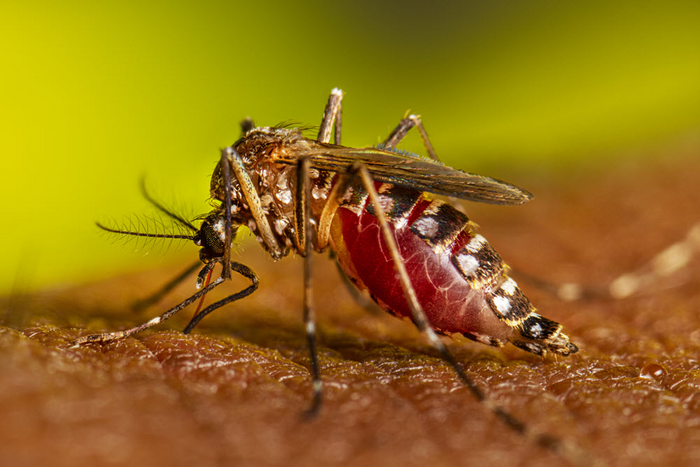
The Pan American Health Organization (PAHO) has issued an urgent public health advisory to all nations and territories across the Americas, calling for targeted upgrades to disease monitoring frameworks and proactive preparation of frontline health systems to counter recent, unseasonal spikes in dengue transmission, alongside a resurgence of chikungunya in jurisdictions that had not recorded local viral circulation for multiple years. This call to action is timed to coincide with two high-risk overlapping trends: the projected amplification of the El Niño climate pattern, and South America’s imminent entry into the annual peak transmission window for both Aedes mosquito-borne illnesses. Released on October 20, PAHO’s latest regional epidemiological update documents that by the mid-September cutoff, 1.69 million suspected dengue cases had been logged across the Americas, with 3,413 of those cases classified as severe, and 571 confirmed dengue-related fatalities. While the cumulative regional case total marks a 58% drop compared to the corresponding reporting period in 2025, this downward trajectory is far from evenly distributed across the hemisphere: the Andean subregion, Central American nations, and multiple Caribbean territories have all recorded sharp, sustained case upticks in recent weeks. Notably, 2026 marks the first year in recent history where all four distinct dengue virus serotypes have been confirmed to be circulating simultaneously across the Americas. The PAHO update also flags a rapidly worsening chikungunya epidemiological landscape, where transmission rates have climbed steadily from late 2025 through 2026, with the virus reestablishing local spread in multiple territories that had not documented any chikungunya activity for several consecutive years. As of mid-September, 20 countries across the region had reported 213,919 total suspected chikungunya cases, 78,481 of which have received laboratory confirmation, alongside 88 verified chikungunya-linked deaths. Surveillance data further reveals a worrying set of long-term epidemiological shifts: both viruses are now spreading to geographic areas that previously had no history of local transmission, outbreaks are occurring outside of traditional seasonal transmission windows, the overall duration of annual high-risk transmission periods has extended significantly, and clinicians are reporting a marked rise in the frequency of severe, previously uncommon clinical presentations for both illnesses. To mitigate these growing risks, PAHO has laid out a multi-pronged set of evidence-based recommendations for regional health authorities. First, countries must expand and integrate three core surveillance streams: epidemiological tracking of case trends, virological monitoring to detect circulating strains and emerging mutations, and entomological surveys to map the density and distribution of Aedes aegypti and Aedes albopictus mosquito populations. Authorities are also advised to scale up diagnostic testing capacity to ensure rapid, accurate case identification, paired with standardized clinical training to support early intervention that prevents mild cases from progressing to life-threatening severe disease. Integrated vector control initiatives, targeted at reducing Aedes mosquito populations, are framed as a non-negotiable core of national response plans. PAHO further emphasizes that health systems at every tier of care must be pre-emptively resourced to handle potential future case surges, with targeted investments in primary health care facilities to equip frontline community clinicians to rapidly identify early dengue and chikungunya warning signs before patients require emergency care. Secondary and tertiary hospitals, in turn, are instructed to pre-allocate beds, clinical supplies, and trained staff to safely manage high-acuity severe cases. The advisory underscores that the single most impactful long-term intervention to cut transmission is eliminating standing water, the primary breeding habitat for Aedes mosquitoes. PAHO is calling for cross-sector collaboration that brings together environmental agencies, local municipal authorities, community leaders, and ordinary households to run sustained public awareness campaigns, remove unused water-collecting containers from residential and public spaces, and embed routine vector prevention into regular community public health practices.
PAHO urges Antigua, region to prepare for rise in dengue and chikungunya cases