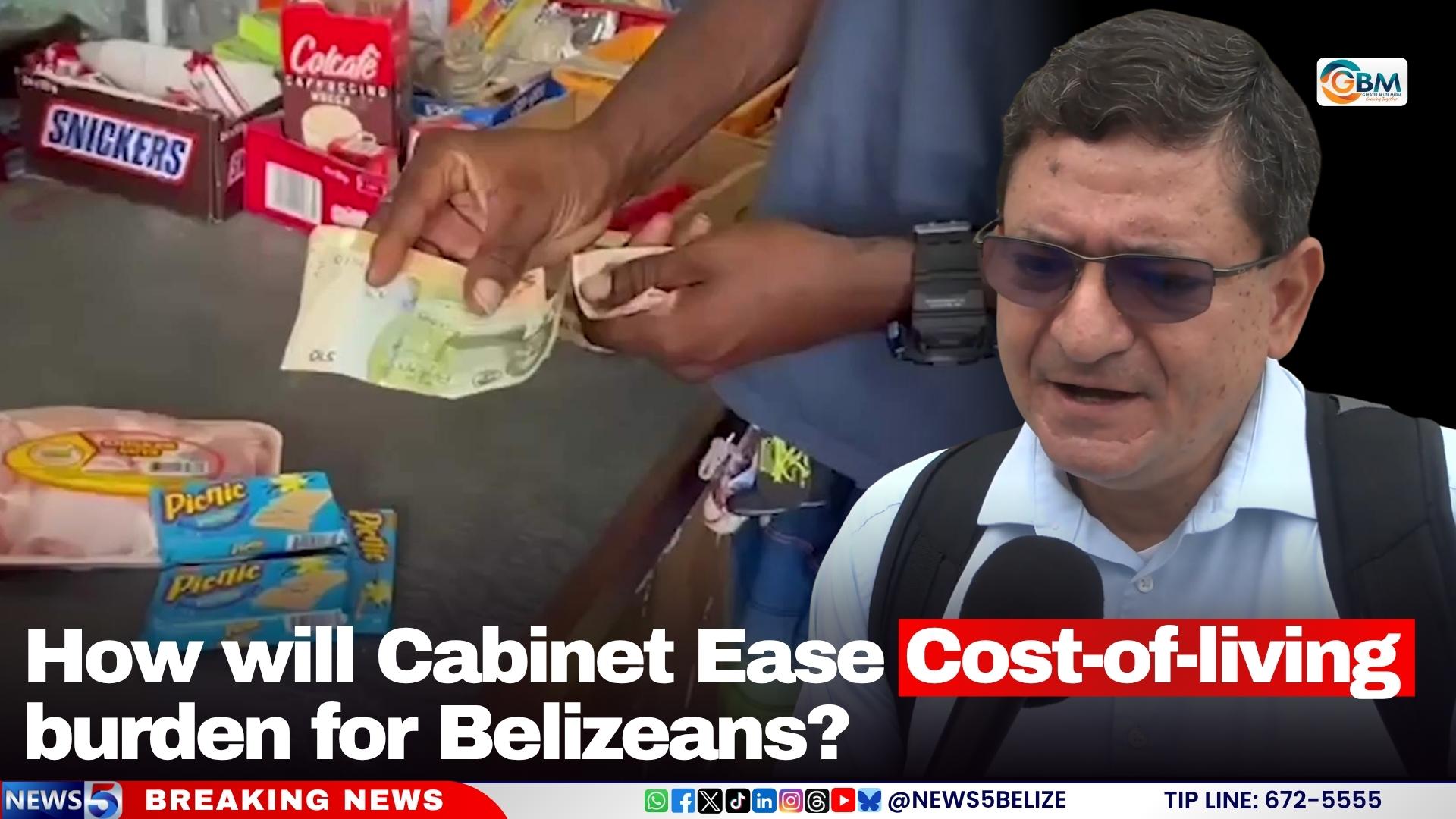
On October 27, 2026, senior Belizean Cabinet member Louis Zabaneh confirmed that the ruling Briceño administration is actively evaluating targeted short-term interventions to alleviate the crippling cost-of-living pressures weighing on ordinary Belizean households, while framing sustained, lasting relief as dependent on sweeping structural upgrades to national workforce productivity and cross-border commercial competitiveness. Speaking in an exclusive interview with local outlet News 5, Zabaneh emphasized that elected area representatives across all constituencies have first-hand visibility into the day-to-day financial strains facing their constituents, but cautioned that temporary stopgap measures alone cannot deliver permanent gains to public purchasing power. The senior minister noted that Belize’s current per-hour labor productivity lags well behind comparable peer economies, with very little added value generated per unit of work to support corresponding wage growth. He pointed to Taiwan as a proven benchmark, where decades of targeted public investment in specialized skills development and aligned education programming transformed the island’s workforce into a globally competitive, high-value labor pool that lifted widespread household incomes. To replicate that success, Zabaneh laid out a multi-pronged long-term policy roadmap centered on three core pillars: expanded access to international trade markets, widespread upskilling for the national workforce, and full alignment of local education curricula with the evolving needs of Belize’s growing economic sectors. Key actionable components of that plan include scaled public investment in the country’s Industrial, Technical and Vocational Education and Training (ITVET) system, alongside a full transition to competency-based learning frameworks that ensure graduates enter the job market with in-demand, immediately applicable skills. Zabaneh also highlighted the administration’s ongoing rollout of electric public transit buses as a high-impact intermediate policy win that will deliver tangible fiscal savings for the state-run National Bus Company (NBC). The full transition to electric fleets is projected to cut the NBC’s annual diesel consumption by more than 800,000 gallons, translating to between $11 million and $12 million in annual operational cost reductions. The minister clarified that these savings will not directly translate to immediate cuts to public bus fares, but will instead eliminate the persistent financial pressure that transit operators have cited for years to justify regular fare hikes. The accumulated cost savings will be redirected to upgrading aging bus terminals, enhancing overall passenger travel experiences, and implementing new fleet safety upgrades. Zabaneh closed his remarks by framing targeted national investment in science, technology, and innovation as the foundational long-term pathway to drive widespread efficiency gains across every sector of Belize’s economy, boost broad-based productivity, and deliver sustained, measurable improvements to the overall quality of life for all Belizean residents.