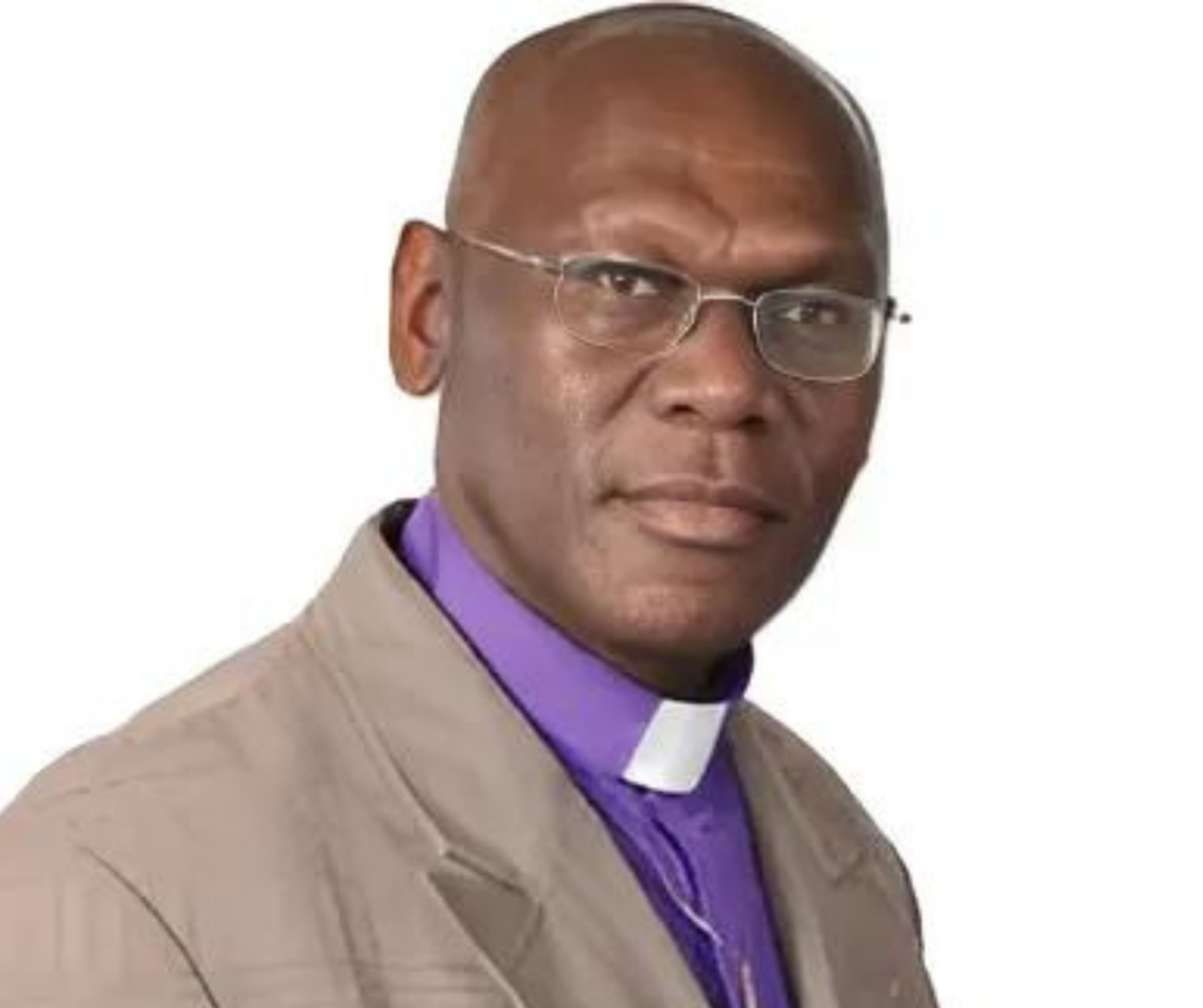
A prominent faith leader in Antigua and Barbuda has issued a formal appeal to national Independence celebration organisers to revisit the 2026 event calendar, pushing back against a plan to host the annual National Independence Food Fair on Sunday, October 25, a date that falls on the traditional Christian day of worship. Bishop Charlesworth E. Browne, head of the faith collective Kingdom Leaders, Antigua, explained that the recently published official Independence events schedule sparked widespread, cross-generational dismay across the local Christian community, drawing criticism from both ordained clergy and lay worshippers of all age groups.
In comments shared with Observer Media, Browne emphasized that the decision to hold the popular public food fair on a Sunday runs counter to long-held local religious traditions that reserve the Lord’s Day for rest and communal worship, rather than large-scale public recreational events. While he acknowledged that the collective call to shift the event to an alternative date was submitted relatively late in the multi-month planning cycle for the national celebrations, he stressed that the timing of the appeal does not reduce the urgency of the core concern.
“Kingdom Leaders, Antigua, alongside thousands of Christian residents across the country, are asking for this year’s National Food Fair to be rescheduled immediately. Even if our request comes later in the process, the core principle remains non-negotiable: no major national event should ever be hosted on the Lord’s Day moving forward,” Browne stated.
Beyond addressing the concerns of majority Christian worshippers who observe Sunday as their Sabbath, the bishop also called on event planners to extend this same level of consideration to other religious communities across the twin-island nation, specifically noting the needs of Seventh-day Adventist residents who reserve Saturdays for their formal religious observance. He argued that all future national public event calendars should include pre-planned checks to avoid overlapping with widely recognized religious holy days, to ensure no community is forced to choose between participating in national celebrations and upholding their core spiritual practices.
Browne also used the public appeal to frame a broader conversation about the twin-island nation’s stated commitment to centering Christian values in public life, pushing back against the idea that occasional one-off national prayer days or isolated thanksgiving services are sufficient to address the country’s ongoing social and spiritual challenges. He argued that meaningful alignment with spiritual principles requires consistent, intentional prioritization over short-term convenience, even when that creates additional logistical work for event organizers.
“My call as a shepherd of this community is to choose deliberate, consistent consecration over easy convenience in every area of public life. In this specific case, the logistical ease of hosting the food fair on a Sunday must be set aside to honor the deeply held spiritual commitments of a large share of our population,” Browne added.
The public appeal has sparked renewed community discussion about how Antigua and Barbuda structures its national public celebrations, with many residents now weighing in on whether future Independence event planning processes should include formal consultation with multi-faith representatives to prevent similar scheduling conflicts from arising in coming years. This report is adapted from original on-the-ground reporting by Azara Lavia for the Antigua Observer, produced by NewsCo.
Bishop Browne Calls for End to Sunday Scheduling of National Independence Food Fair