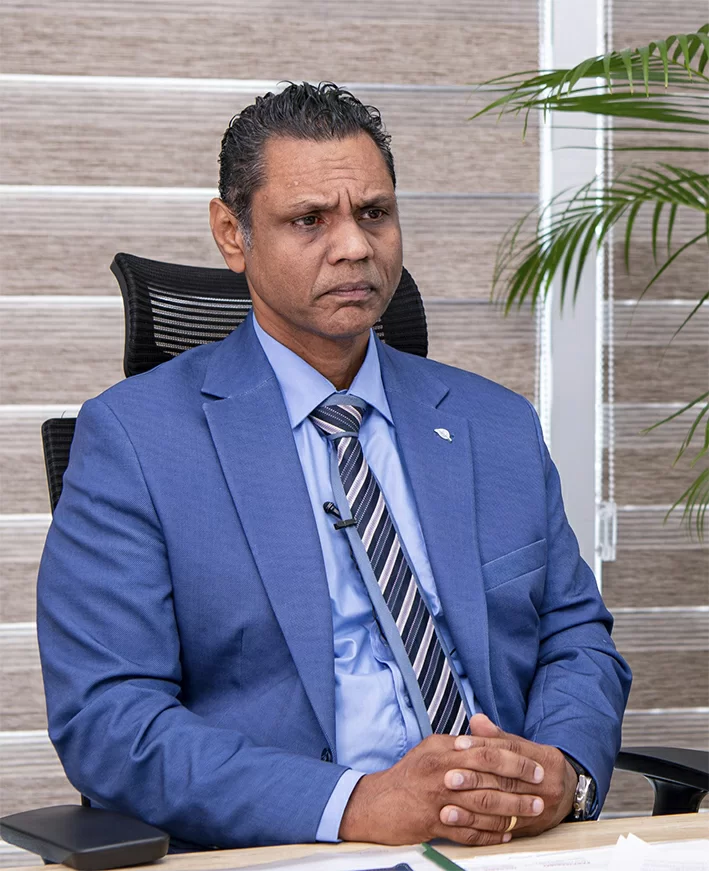
On October 22, 2025, Suriname’s Director of Public Health Rakesh Gajadhar Sukul shared critical updates during an interview with the Suriname Communication Service, revealing that the South American nation has recorded more than double the number of imported malaria cases in 2026 compared to the same period the previous year. The country now sees an average of 10 imported malaria cases per month, with some months reporting upwards of 15 confirmed infections. This trend poses a direct threat to the historic public health milestone Suriname achieved in June 2025, when the World Health Organization formally granted it malaria-free status, making it the first nation across the entire Amazon basin to earn that global recognition. For over five consecutive years prior to that certification, Suriname had documented zero instances of local, domestic malaria transmission. All current imported cases involve individuals who contracted the malaria parasite outside Suriname’s borders before entering the country, with the vast majority originating from neighboring Guyana, followed by secondary sources in Brazil and French Guiana. Data from the national Malaria Program shows that more than 60% of these 2026 imported cases are linked to gold prospectors, primarily traveling from Guyana. While an isolated imported case does not automatically spark a new local outbreak, public health officials warn that the transmission chain can easily restart: an infected person bitten by a malaria-carrying Anopheles mosquito in areas where the insect is present will let the parasite spread to that mosquito, which can then pass the infection to other local residents. Remote gold mining zones and other inland regions with established Anopheles populations are identified as high-priority surveillance sites requiring constant monitoring. To safeguard its hard-won malaria-free status, Suriname’s Ministry of Public Health, Welfare and Labor has deployed dedicated Malaria Program staff to conduct proactive early detection screenings, particularly in border regions and high-risk mining areas. Regular training sessions are also being rolled out for frontline doctors to help them recognize malaria symptoms rapidly and refer patients for life-saving treatment without delays. Director Gajadhar Sukul emphasized that timely diagnosis and immediate targeted treatment are the most critical defenses against the reestablishment of local transmission, noting that full prevention of all imported cases is practically impossible due to the high volume of cross-border human movement across the Amazon region. Health authorities are urging all residents who have traveled to malaria-endemic areas to remain vigilant for common symptoms including fever, chills and headache, and to seek immediate testing and medical care if they develop any signs of illness after returning from high-risk zones. The public is also encouraged to support peers and community members who may have worked in neighboring countries or remote mining sites to get tested at the first sign of potential infection. Beyond domestic measures, Suriname is deepening cross-border partnerships with regional neighbors and global health bodies including the Pan American Health Organization and the Amazon Cooperation Treaty Organization, which are jointly developing a unified malaria response framework tailored for all Amazon basin nations. Suriname is sharing its successful elimination playbook with regional partners, as officials underline that cross-national collaboration is non-negotiable to address the persistent spillover risk from countries with active local malaria transmission. The national government has also established a dedicated specialized commission to oversee efforts to prevent malaria reintroduction, shifting the country’s public health focus from eliminating the disease entirely to protecting the historic public health gains it has secured.
Volksgezondheid waarschuwt voor herintroductie malaria door stijging importgevallen