As concerns over teacher burnout and systemic workplace stress reach a fever pitch in Barbados, the island nation’s largest teachers’ representative body is pushing back against government plans to incrementally raise the national pensionable age, warning the changes could leave many educators unable to access the benefits they spent decades earning.
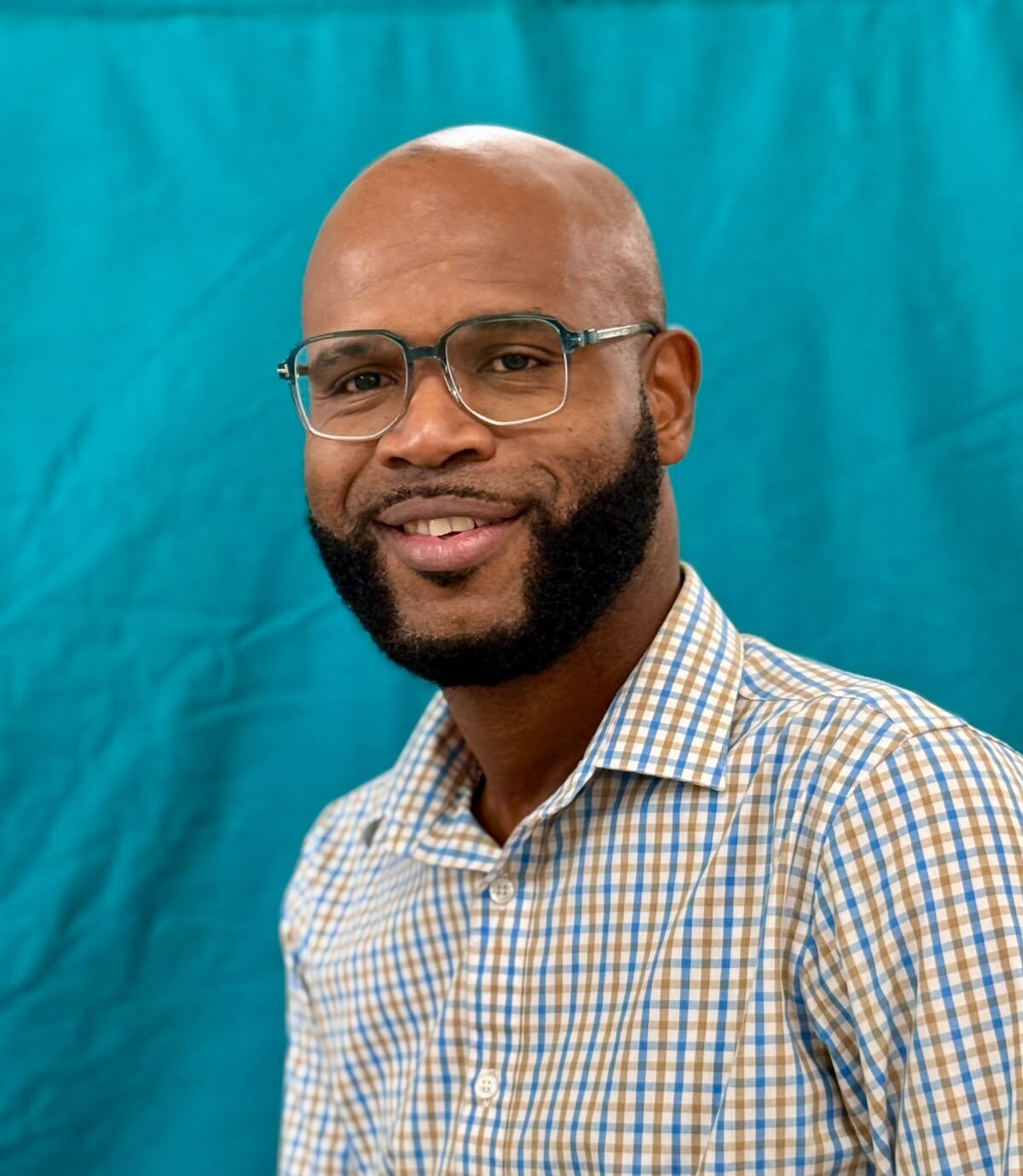
The Barbados Union of Teachers (BUT) has confirmed it will formally launch engagement with relevant government ministries over the proposed timeline, which would lift the pensionable age from the current 67 to 67 and a half by 2028, and to 68 by 2034. BUT General Secretary Gilbert Carmichael said the union’s most pressing worry is not just financial – it is existential, given a recent string of unexpected deaths of young educators linked on anecdotal evidence to chronic workplace stress.
“One of the biggest issues for us right now is teacher wellness,” Carmichael explained in a public statement. “Over the past three months alone, we have lost three teachers, all under the age of 50. If we are truly committed to a successful transformation of Barbados’ education system, we have to start by addressing how we support the health and well-being of the people who lead that system.”
While the union has not yet compiled formal statistical data connecting the early deaths to specific occupational stressors, Carmichael noted conversations with the bereaved families of the deceased teachers have consistently pointed to undiagnosed and unmanaged stress-related conditions as contributing factors. “We are seeing far too many young teachers passing away prematurely,” he said. “Though we don’t have hard statistics to publish at this stage, anecdotal evidence from families makes clear that stress-related illnesses are a major underlying factor in many of these deaths.”
Carmichael added that the BUT will imminently send an official letter to government ministries outlining its full set of concerns, calling on policymakers to first conduct a full assessment of the growing pressures facing the country’s teaching workforce before implementing changes that would extend educators’ working lives. He emphasized that the nature of teaching has shifted dramatically in just a handful of years, requiring urgent updates to policies designed for a different era of work.
“Teaching in 2026 is nothing like teaching was in 2020. Even just a six-year gap has brought drastic, unprecedented changes to the job, and we have to stand firm to protect our teachers from these tragic, avoidable outcomes,” he said.
The debate over pension policy and teacher wellness will take center stage during BUT’s annual Teacher’s Week, scheduled to run from October 25 to October 30 under the official theme *Transformation or Reform: Measuring Success Beyond Policy*. The week of events will kick off with an interdenominational church service at the Church of God in Orange Hill, and conclude with the annual President’s Reception on the final day.
In a separate development, Carmichael offered qualified praise for the Ministry of Education Transformation’s renewed push to expand the number of special education teachers working in mainstream schools, a policy aligned with the union’s core commitment to equitable quality education for every child. However, he warned that the inclusive education initiative will fail without significant new investment in critical infrastructure, personnel, and support systems.
Carmichael explained that successful inclusion of students with diverse learning needs does not rely on policy announcements alone: it requires fully trained specialized staff, dedicated on-site specialist support, purpose-built accessible facilities, sufficient material and funding resources, and capped, manageable class sizes. Without these components, he argued, the initiative will only add unmanageable pressure to already overstretched general education teachers, putting both educators and students at a disadvantage.
“If you talk about inclusivity, but you put a teacher who is already managing a class of 25 to 30 students in a position where they have to add students with special needs without any additional support, you are setting everyone up for problems that were entirely avoidable,” he said.