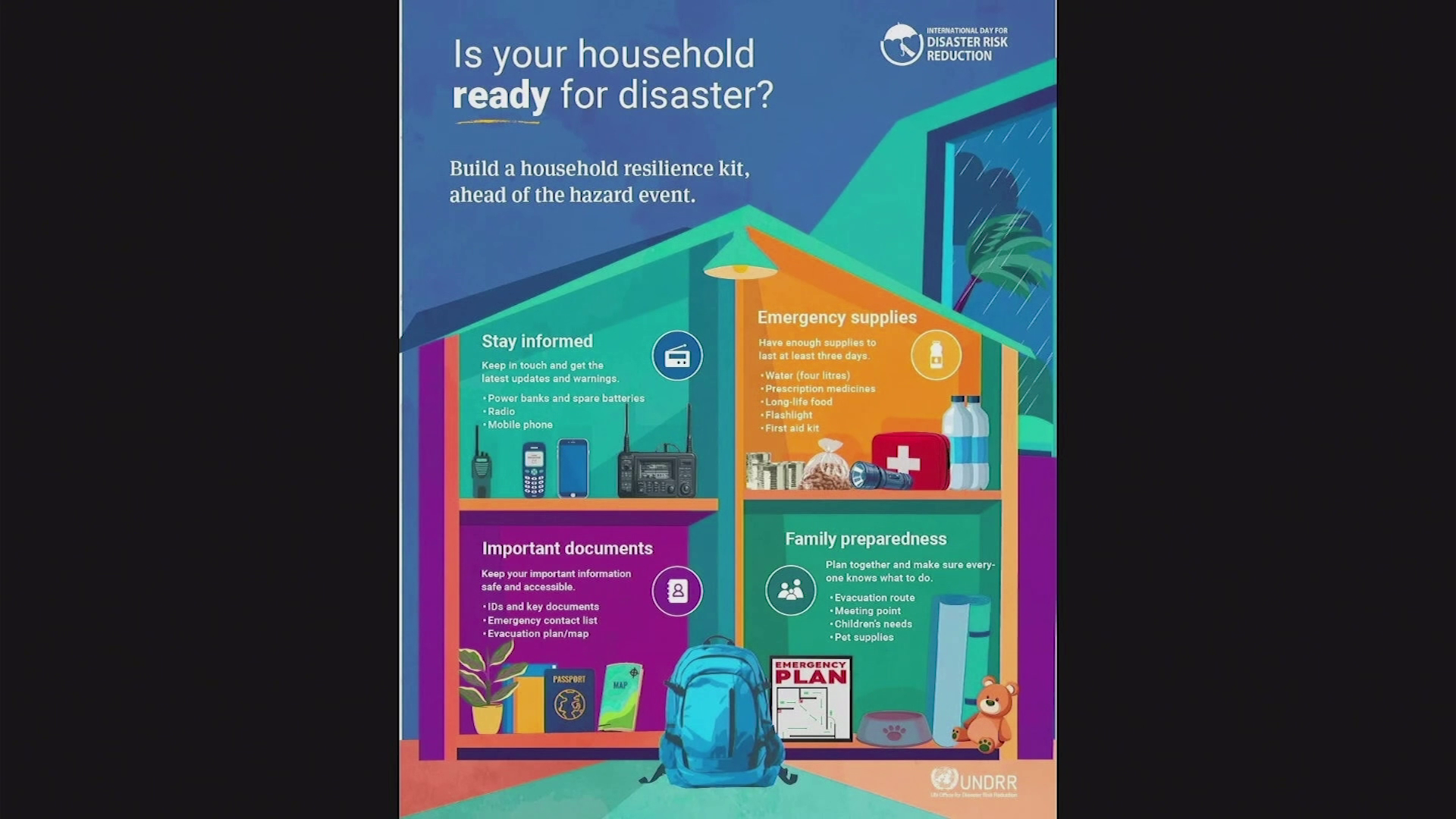
As the 2026 Atlantic hurricane season counts down to its official end on November 30, Belize’s top emergency management agency is delivering a critical public reminder: natural hazard risks do not adhere to seasonal calendars. The National Emergency Management Organization (NEMO) is pressing all Belizeans to maintain consistent disaster preparedness year-round, emphasizing that threats ranging from structural fires to tsunami events demand constant vigilance, alongside ongoing monitoring of the lingering El Niño climate pattern that has shaped this year’s weather.
In a public briefing shared this week, National Emergency Coordinator Daniel Mendez stressed that preparedness cannot be a last-minute rush when a storm approaches. With more than six weeks remaining between the October 19 announcement and the official end of hurricane season, Mendez noted that unpredictable weather events can still emerge before the calendar turns to December.
“November 30 marks the formal close of hurricane season, but anything can happen between now and that date,” Mendez explained. “The core message here is that preparedness is a permanent priority, not a seasonal task. You don’t wait until a hurricane is visible on the horizon to start putting your emergency plans in place. That is a core principle NEMO promotes 365 days a year, and you will always hear us repeating this call.”
Mendez went on to clarify that disaster planning extends far beyond tropical cyclones, which are the primary focus of official hurricane season preparations. Belize faces a broad spectrum of potential hazards that can strike at any time, including urban and wildland fires, and tsunami risks stemming from seismic activity in adjacent Caribbean waters. All of these threats require advance planning from both individuals and communities, he said.
Alongside the Belize Meteorological Service, NEMO has been continuously tracking El Niño, the climate phenomenon that warms eastern Pacific ocean waters and alters global weather patterns. The Met Service correctly forecast that El Niño would lead to a less active 2026 hurricane season, but it also warned that any rainfall events would be far more intense than usual – a pattern Mendez confirmed the country is already experiencing.
Crucially, NEMO projects that El Niño’s disruptive impacts on Belize’s weather will not end when hurricane season closes. The effects are expected to persist well into 2027, requiring ongoing coordination between the emergency agency and meteorological teams to monitor changing conditions and respond to emerging hazards.
Beyond public messaging, NEMO is also working to strengthen local response capacity by rolling out a new Community Emergency Response Team (CERT) program targeted at select neighborhoods in Belize City. The initiative is designed to train local residents to respond to small-scale emergencies immediately before official first responders arrive, boosting overall community resilience to all types of disasters.
This report is a transcript of an evening television newscast, with all Kriol-language remarks transcribed using a standardized spelling system.