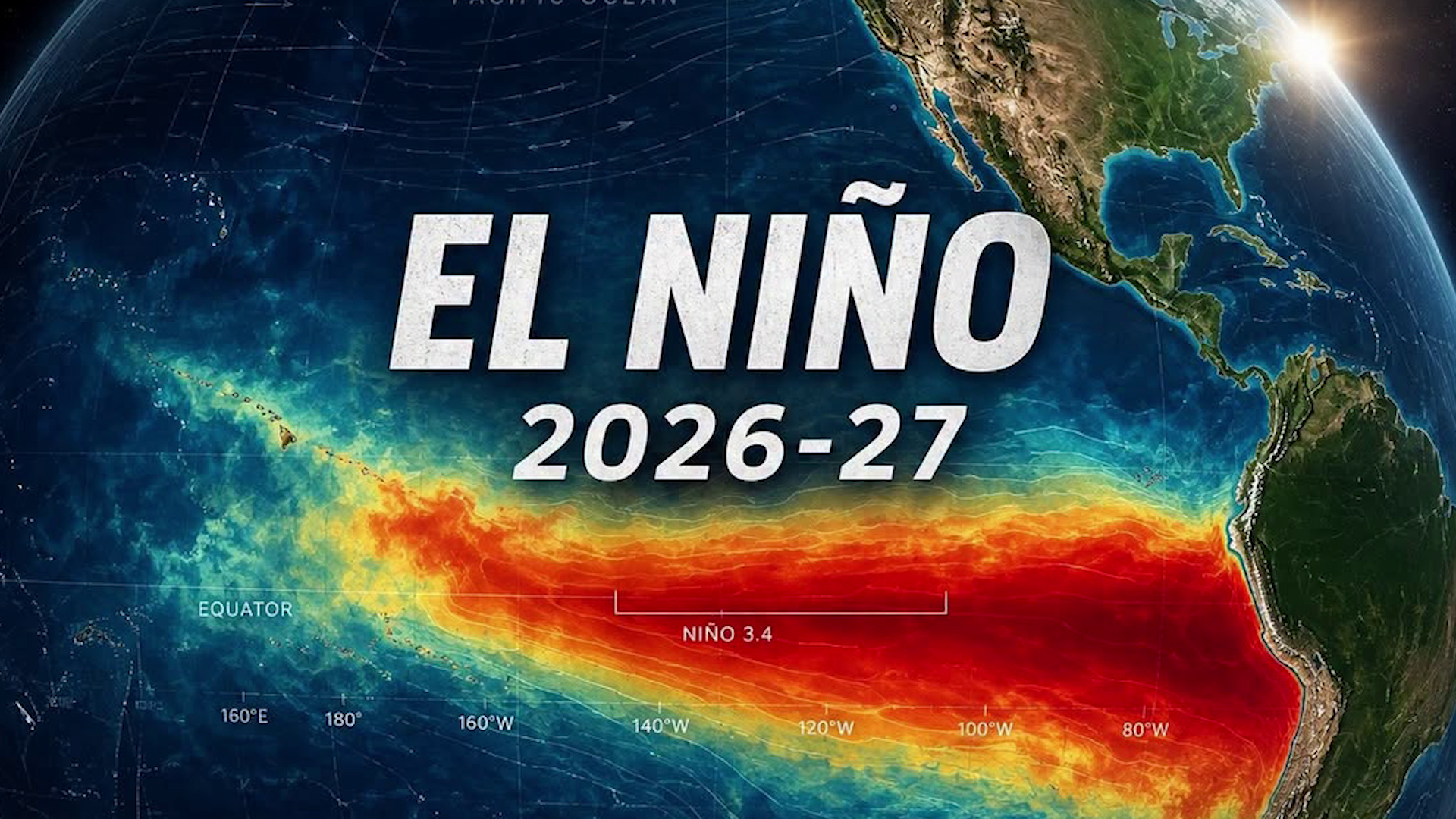
A potentially record-breaking El Niño event, already bringing abnormally dry conditions to Belize for most of 2026, could persist through August 2027, according to the country’s top agriculture official. Forecasters have warned that this El Niño may rank as the most intense recorded since systematic climate tracking began in 1950, posing prolonged risks to regional agricultural production. Belize’s Agriculture Minister Rodwell Ferguson highlighted that adaptive water management, specifically robust irrigation infrastructure, is the most critical protection for farming operations against the extended dry conditions.
In an interview with local reporters, Ferguson confirmed the extended timeline for the weather event, noting that current timely rainfall across the country offers a temporary reprieve. Officials are optimistic that these rainy conditions will hold through January or February 2027, providing a critical window to prepare for the drier months ahead. Beyond national preparation efforts, Ferguson — who also serves as president of the Central American Agriculture Council — is leading cross-regional planning to address the shared climate threat. The council has drafted a regional proposal to upgrade irrigation infrastructure across Central America, but the initiative remains contingent on securing funding from individual member nations.
When questioned about whether Belize’s Cabinet has committed domestic funding for irrigation upgrades, Ferguson acknowledged the constraints facing the small Belizean economy. With multiple competing public investment priorities across government sectors, the agriculture ministry is advancing its requests incrementally, with no final funding approval secured to date. To support immediate farmer preparedness, the ministry has launched outreach initiatives urging agricultural producers to prioritize on-farm water access. Currently, the government is encouraging all farmers to install functional water pumps on their properties and complete routine maintenance to ensure equipment is ready to sustain crop water supplies through prolonged dry spells.
As the region waits for the El Niño event to run its course, officials maintain cautious optimism, stress that proactive preparation will mitigate the worst impacts of the dry conditions. The regional irrigation upgrade project, if fully funded, would create long-term climate resilience for Central American agricultural sectors that are repeatedly exposed to El Niño-driven drought cycles.