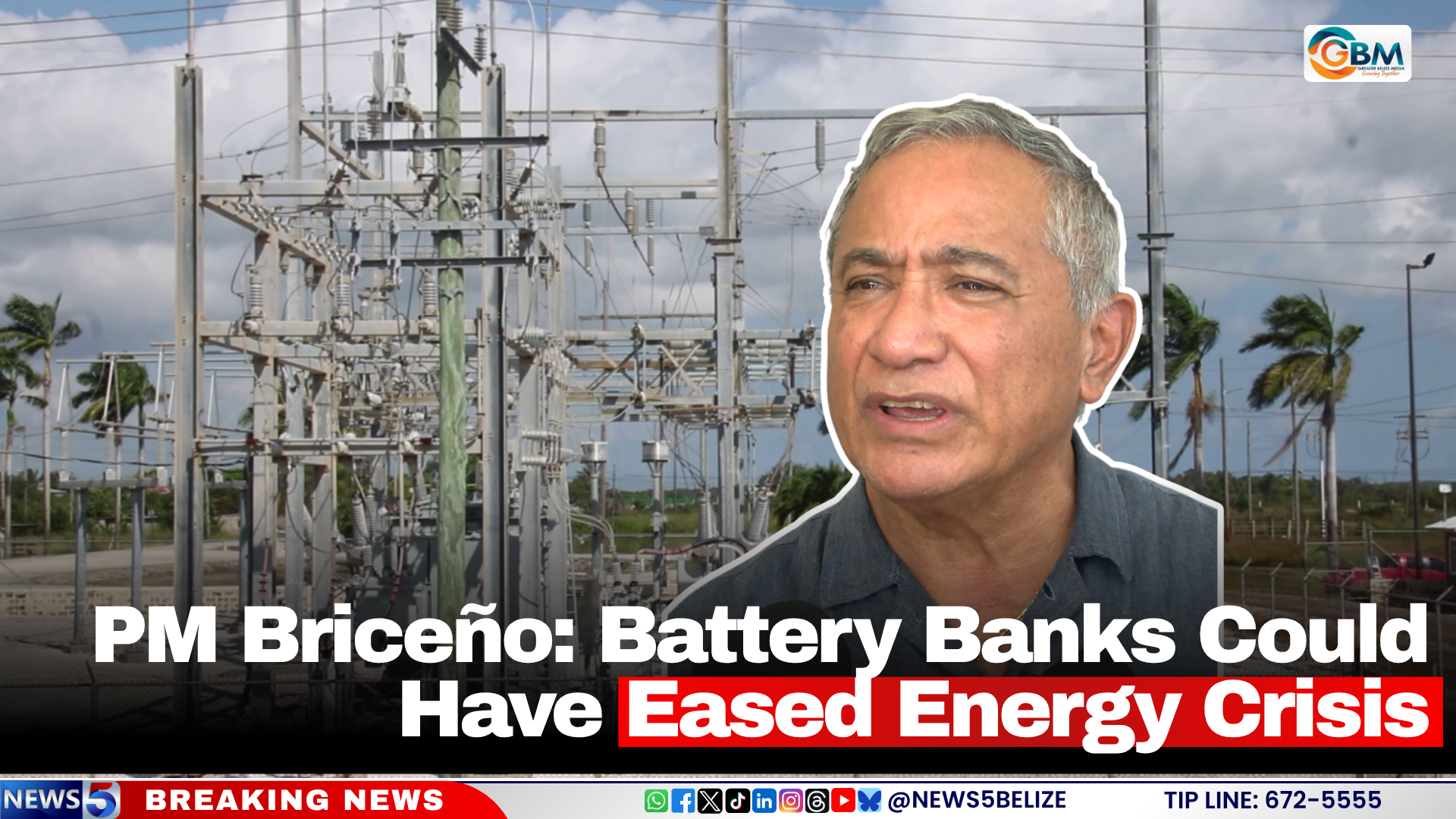
By October 20, 2026, Belize has been grappling with a persistent energy crisis that Prime Minister John Briceño says could have been entirely avoided if a major planned battery storage infrastructure project had not been tied up in delays for nearly two years.
Briceño revealed that his administration has been negotiating a more than $50 million loan from the World Bank to develop a 40-megawatt battery bank, a facility designed to shore up the Central American nation’s energy stability. The project, however, has been held up over disputes related to the proposed construction site on the island of San Pedro. According to the prime minister, the hold-up can be traced directly to unnecessary red tape from what he called “faceless bureaucrats in Washington” at the World Bank.
World Bank officials raised two major concerns that ground the project to a halt: first, that the selected site overlaps with a protected iguana sanctuary, and second, that an unauthorized squatter was occupying a portion of the allocated land. Briceño noted that he recently raised the ongoing delays during direct meetings with senior World Bank leadership, and after walking through the full context of the situation, those officials acknowledged their misstep. “When I sat down and I started to talk to them and explained what has happened they were really embarrassed about the whole issue,” Briceño stated. “If we would have gotten that project on time, we would not have the crisis we are presently facing.”
Beyond avoiding the current crisis, the battery bank is intended to transform how Belize manages its energy supply. Once operational, the facility will allow the country to purchase excess low-cost electricity generated in Mexico during overnight hours when domestic demand is low, store that power, and deploy it during peak evening consumption periods when energy costs and strain on the grid typically rise.
Briceño added that the battery storage project is just one part of the government’s broader strategy to achieve full energy self-sufficiency for Belize, with a heavy focus on expanding access to renewable energy sources. “And at the same time trying to find ways on how we could become completely self-sustainable when it comes to the issue of energy and especially trying to find renewable sources of energy, sun, sunlight, solar, water where we can do some expansion,” he said.
For now, the project remains in limbo as officials work to resolve the land-related concerns that derailed progress two years ago, leaving Belize to contend with an energy crisis that the prime minister says was entirely preventable.