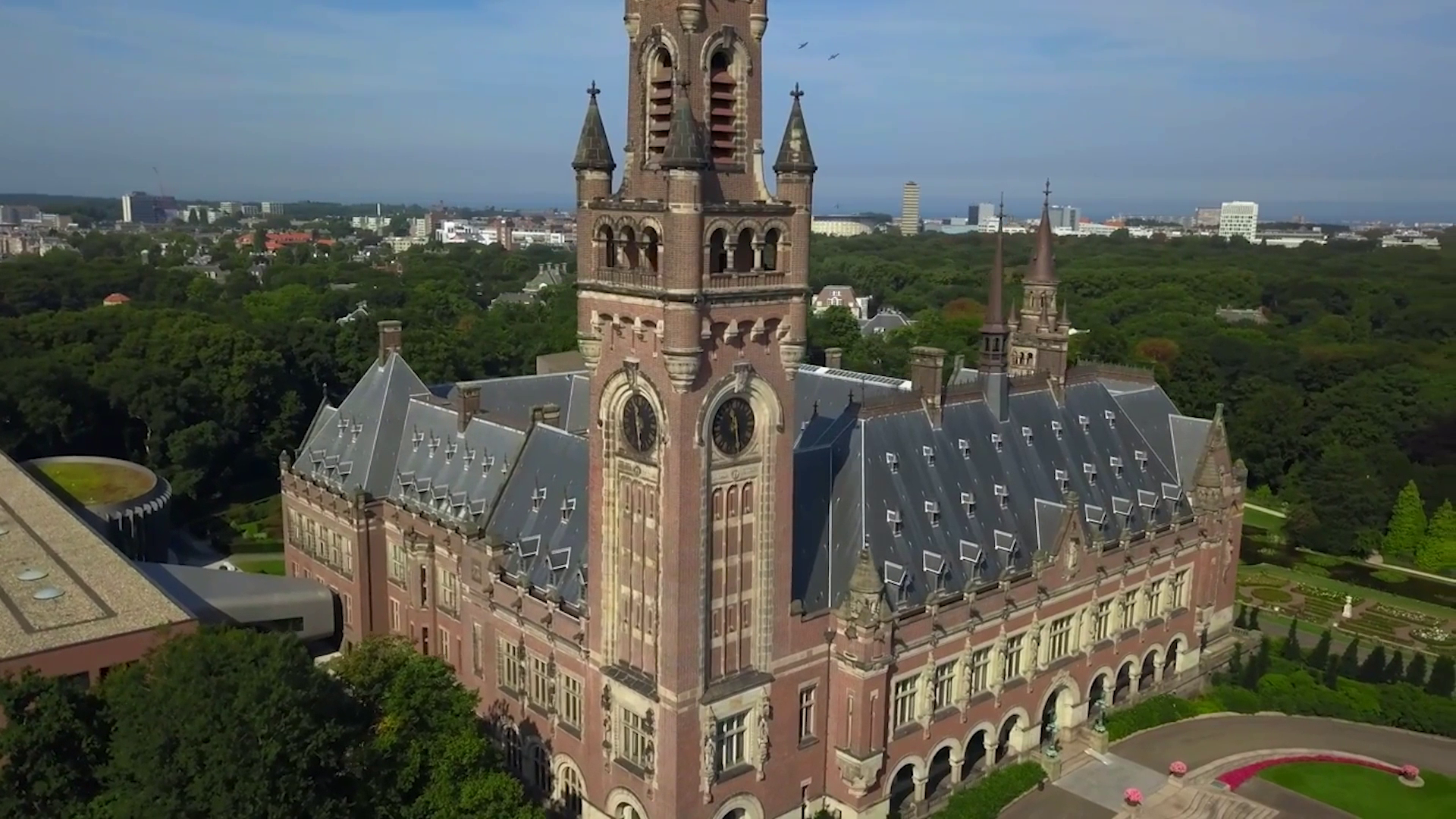
A decades-long cross-border territorial standoff between Central American neighbors Belize and Guatemala is moving into one of its most decisive phases, with the International Court of Justice (ICJ) set to hold public oral arguments on the dispute between February and March 2026. While the proceedings themselves will wrap up within just a few weeks, the final binding ruling from the United Nations’ highest court for inter-state disputes will not arrive for many months, with a decision likely to be delivered sometime between September and December 2027, according to Belize’s top diplomat.
In a recent interview, Belizean Foreign Minister Francis Fonseca laid out the expected timeline for the landmark legal process, which both nations have agreed to use as a peaceful, binding mechanism to resolve their long-running border disagreement. Fonseca emphasized that for Belize, the ICJ process is the central priority in bilateral relations with Guatemala, noting that both countries have long committed to settling the dispute through judicial rather than confrontational means.
“For us, that is the critical issue in our relationship,” Fonseca said. “We as countries have determined we are committed to resolving these issues peacefully through the judicial process, through the International Court of Justice. We are happy that the court has set a date for the oral hearing, so next year February we will get our day in court, and that is where our focus is in terms of this relationship.”
Fonseca acknowledged that bilateral ties between the two nations remain challenging at the grassroots level, but added that formal diplomatic cooperation between the two countries’ foreign ministries remains steady and constructive. The end goal of the ICJ process, he said, is to secure a final, definitive, peaceful resolution that will establish clear, internationally recognized borders for Belize, opening the door for closer collaborative relations between the two neighbors that prioritizes the well-being of both populations.
On the timeline for a final ruling, Fonseca noted that the ICJ controls all scheduling for its judgments, and no official date has been locked in. “Of course this is subject, entirely up to the court, they will determine when they hand down the decision,” he said. “I asked that question myself and I was told normally, generally a decision takes between seven and ten months to be handed down” after oral arguments conclude. That timeline would put the final judgment somewhere between seven and eight months after oral arguments wrap up, aligning with projections that the ruling will be released in the second half of 2027.
To date, Belize’s government has not finalized its roster of political officials who will attend the oral proceedings in The Hague, though the country’s full legal team and designated agents to the court are confirmed to participate, Fonseca confirmed. This report is adapted from a televised news transcript originally published in October 2024.