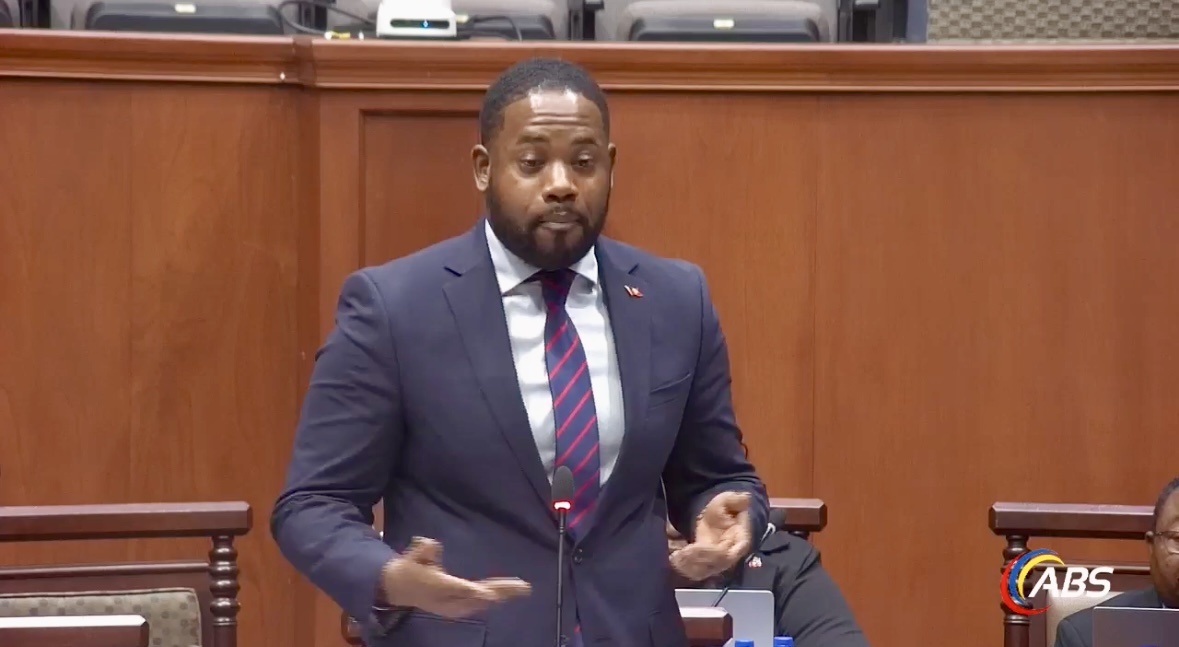
As lawmakers in Antigua and Barbuda deliberate on the landmark Sexual Offences (Amendment) Bill 2026, Senator Kendra Beazer has emerged as a leading voice pushing for strengthened, inclusive protections for minors and vulnerable people across all gender identities. During floor debate in the Senate, Beazer centered discussion on a critical gap often overlooked in previous iterations of sexual violence legislation: that vulnerability does not align with gender lines, and all at-risk people deserve equal protection under the law.
“Vulnerability is not gender specific. Our duty as legislators is to ensure that every vulnerable person is protected under the law, regardless of gender,” Beazer told the chamber.
The senator argued that any effective, forward-looking reform to the island nation’s sexual offences legal framework must be built on three core pillars: fairness for survivors, proactive protection for at-risk groups, and uncompromising access to justice. The proposed amendments are designed to do more than just increase penalties for convicted offenders; they seek to reorient the legal system around the lived realities of victims, prioritizing their physical safety, preserving their personal dignity, and removing barriers that prevent survivors from seeking and receiving justice. Through his remarks, Beazer also emphasized that the bill sends an unambiguous, non-negotiable message to perpetrators: sexual violence against vulnerable members of society will not be tolerated, and consequences will match the severity of these crimes.
If passed, the reform is expected to mark a meaningful milestone in Antigua and Barbuda’s ongoing efforts to strengthen safeguarding systems for children and other vulnerable members of the national community. Beyond its immediate legal impacts, the bill reaffirms the country’s formal commitment to upholding the fundamental rights and overall wellbeing of all its residents, aligning national legislation with growing global recognition of the need for inclusive, survivor-centered sexual violence policy.