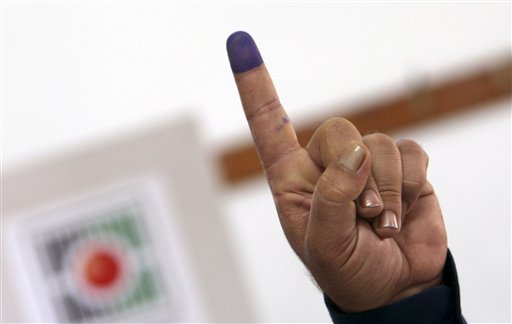
Seventy-two years ago, on October 10, 1951, Grenada marked a turning point in its democratic development when it held the first general election in the nation’s history open to all adult citizens, regardless of economic or property status. Written by historian and commentator Caldwell Taylor, this reflection on a key date in Grenadian political history revisits the barriers to democratic participation that existed for decades before this groundbreaking poll.
Before 1951, the right to vote in Grenada was far from universal. Strict eligibility requirements locked large swathes of the adult population out of the democratic process: only residents who owned property valued above a set threshold, or earned an annual income that met a specified minimum, were permitted to cast a ballot. These rules disproportionately excluded working-class people, low-income earners, and marginalized communities from having a say in the governance of their country, entrenching the political power of wealthy and elite groups.
The 1951 universal suffrage election dismantled these discriminatory barriers, extending voting rights to all adult Grenadians regardless of their economic standing. This reform laid the foundational groundwork for the more inclusive, representative democratic system that Grenada would build in the decades that followed, moving the Caribbean nation closer to its goal of government for all its people.
Editor’s note: This content is from a contributor to NOW Grenada. The outlet does not assume responsibility for the opinions, statements or third-party media included in contributed pieces. A reporting channel is available for users to flag any content that violates platform guidelines.