A heated exchange between a Belizean journalist and Prime Minister John Briceño last week has ignited a national conversation over political respect for independent media and expected standards of conduct for the country’s top elected leader.
The controversy began when a reporter raised a question about Special Envoy Rossana Briceño’s recent official trip to Guatemala. Instead of addressing the policy-related inquiry, the Prime Minister responded with a personal insult, turning the offhand remark into a major public story rather than the original diplomatic visit itself.
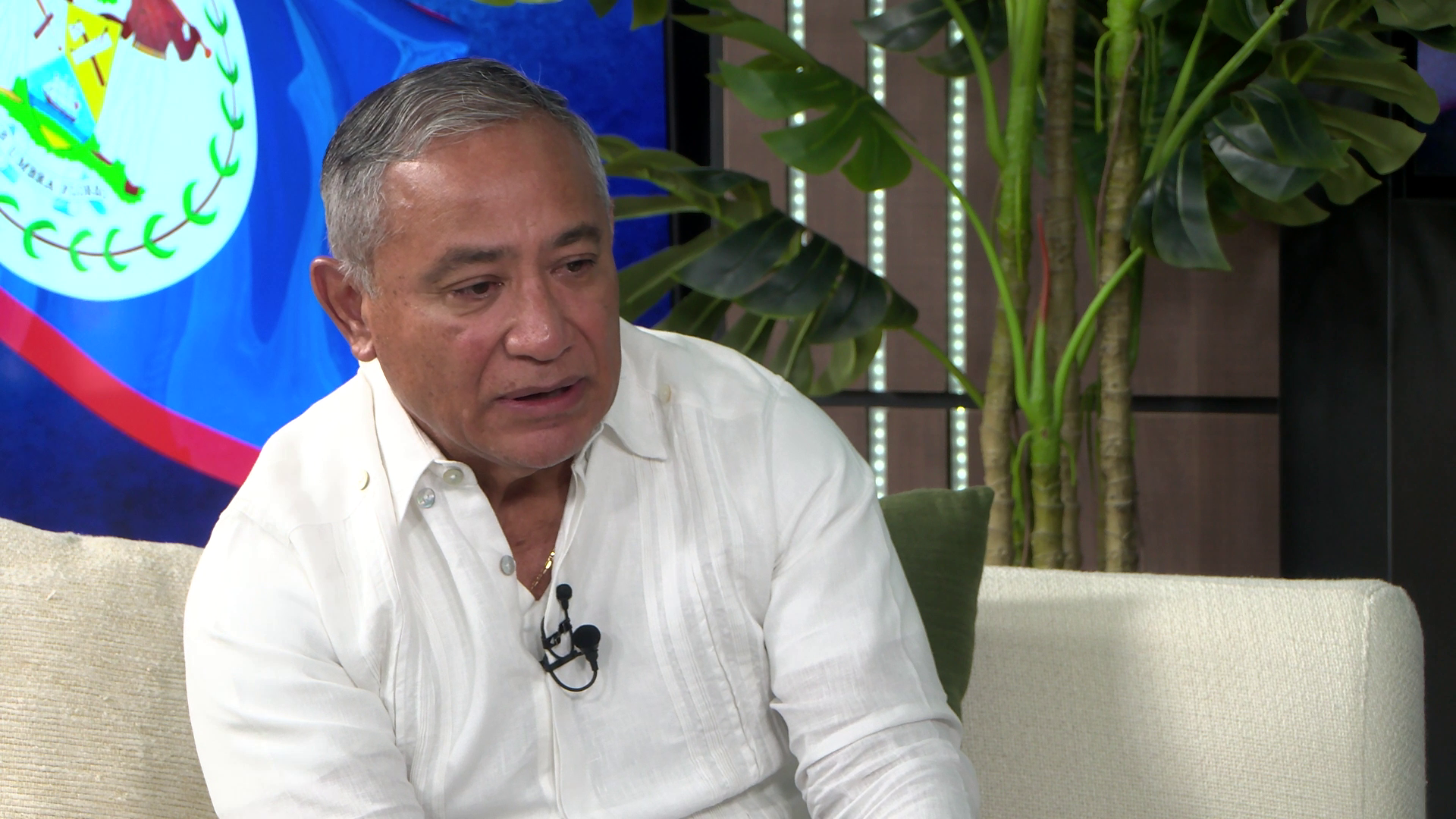
Days after the incident, Prime Minister Briceño appeared on the local morning current affairs program *Open Your Eyes* to address the growing public outcry, where host Isani Cayetano pressed him on the appropriateness of his words.
In his on-air remarks, Briceño framed his reaction as rooted in personal loyalty. “I’m a human being, first and foremost, and I am very protective of my family,” he said. The Prime Minister went on to note longstanding tensions between his administration and the national media, arguing that many outlets position themselves as political opposition rather than focusing on neutral issue coverage. “We are never going to agree on everything. But I think that we can agree on important issues, the issues that are affecting our country, the issue of governance and how we can do better, and so forth,” he added.
When Cayetano pressed further to ask whether the Prime Minister’s insulting language could ever be justified, Briceño cut the line of questioning short, saying “I think I’ve answered that question. So, mek we noh continue. Thanks.” Picking up the conversation afterward, Cayetano noted that the incident had left journalists questioning what norms of interaction they could expect going forward, calling the moment uncharted territory for press-political relations in the country.
Responding to that concern, Briceño pushed back on the idea that the incident marked a fundamental shift in norms, emphasizing that democratic governance inherently accommodates disagreement. “It’s important for us to be able to maintain good dialogue, a respectful dialogue. We don’t agree on all the issues and that’s okay. That’s why we live in a democracy,” he said. Looking ahead, Briceño said he would continue engaging with reporters respectfully, and would simply ignore any interactions he perceives as disrespectful going forward rather than responding in kind.
While the Prime Minister offered a commitment to more respectful future exchanges with the press corps, he stopped short of issuing a formal apology for his earlier insult, leaving many in the media community still seeking full accountability. This report is a verbatim transcript of an evening television broadcast, with Kriol-language phrases transcribed using a standardized spelling system for accuracy.