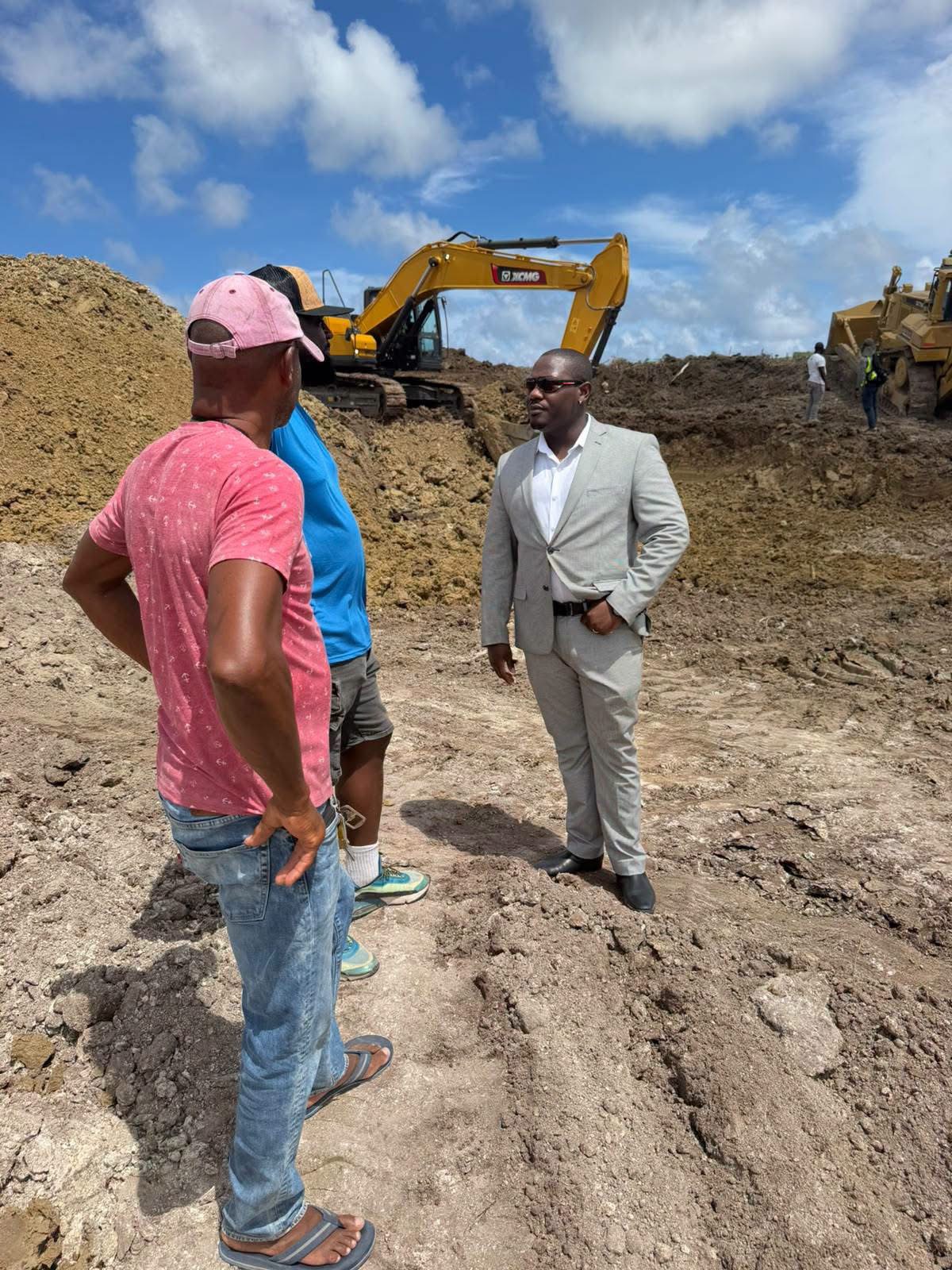
Antigua and Barbuda’s Ministry of Agriculture has launched a large-scale dam construction and rehabilitation initiative, a key component of the national government’s broader strategy to enhance water access for agricultural producers and ramp up domestic food production. Agriculture Minister Anthony Smith Jr. confirmed that farmers operating in the Browne and Thwaites farming districts will be the first groups to benefit from the upgraded water infrastructure. The core goal of the project is to expand national water storage capacity, creating a more reliable water supply that will enable consistent growth in agricultural output across the country. According to Minister Smith, infrastructure upgrades will roll out sequentially across all major farming regions, with the ministry prioritizing unmet infrastructure needs and delivering targeted supplementary support to local producers at every stage of the project. The initiative is not an isolated effort: it aligns with a formal directive issued by the country’s Cabinet, which ordered the Ministry of Agriculture to speed up development of dams, retention ponds, and other water-catchment facilities. Cabinet officials have repeatedly emphasized that consistent, reliable access to water is a non-negotiable foundational requirement for growing local food production and reducing dependence on imported food staples. To fund this national agricultural upgrade, the government of Antigua and Barbuda has secured approximately $9 million in financing through a joint soil and water management program administered by the Caribbean Development Bank and the Food and Agriculture Organization. This funding will be allocated exclusively to the construction and rehabilitation of dams, water-catchment ponds, and other critical water conservation infrastructure across the country. Minister Smith reaffirmed the ministry’s long-term commitment to the project, noting that infrastructure improvement work will continue moving methodically through farming districts across the nation, with the end goal of strengthening producer capacity and driving sustained growth in agricultural output for years to come.
Agriculture Ministry Rebuilds Major Dam to Boost Water Supply for Antigua and Barbuda Farmers