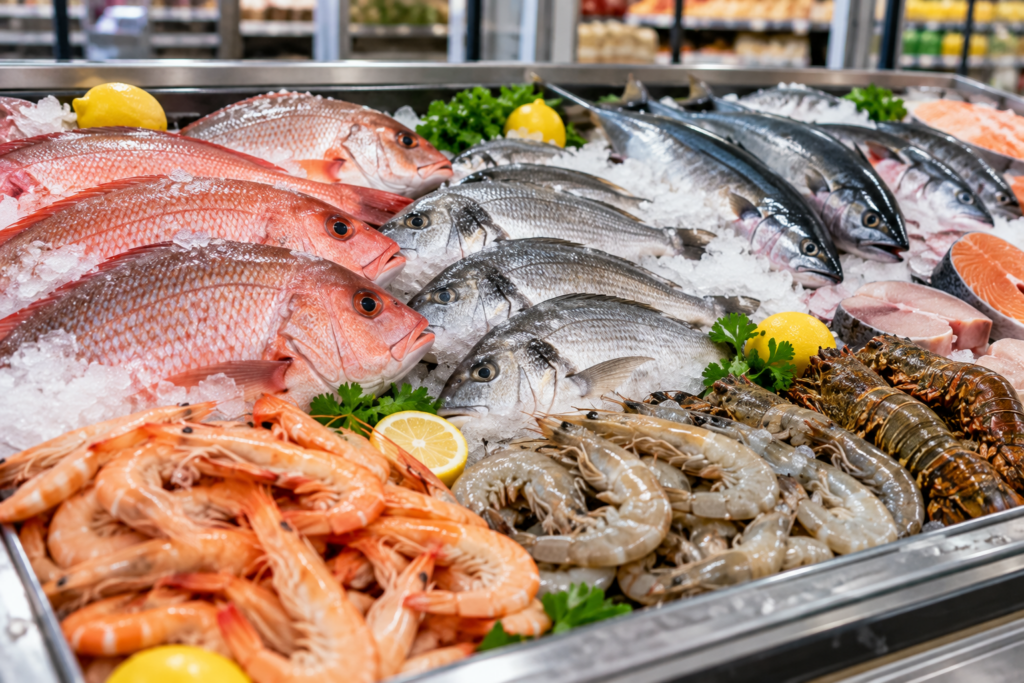
New official consumer price data from Antigua and Barbuda has revealed a dramatic monthly decline in local fish and seafood prices for September 2026, offering isolated cost-of-living relief for households even as the nation’s overall inflation rate continues its upward climb. Per the latest report from the country’s National Bureau of Statistics, the aggregate Fish and Seafood Price Index plummeted 13.8% between August and September 2026, with price cuts recorded across every measured subcategory of the product group. The steepest decline was seen in the fresh, chilled and frozen fish and seafood segment, which dropped a substantial 18.2% month-over-month. Meanwhile, prices for preserved and processed fish and seafood products also fell, posting an 11.7% reduction over the same period. This sharp monthly pullback has pushed aggregate fish and seafood prices 0.5% below their level from September 2025, according to the bureau’s detailed inflation breakdown. Seafood was not the only food category to see falling costs in September. Local vegetable prices also dropped 4.5% during the month, with fresh and chilled vegetables leading the decline at 5.7%, and frozen, preserved or processed vegetable prices falling by 4.4%. The Statistics Division noted that fish and vegetables hold relatively large weighting in the standard consumer food basket, meaning their price drops made a significant contribution to the overall downward movement in domestic food inflation. On aggregate, the national Food Index fell 1.6% between August and September 2026, while the broader Food and Non-Alcoholic Beverages Index recorded a 1.1% monthly decline. This pullback in food costs unfolded against a backdrop of continuing growth in Antigua and Barbuda’s overall cost of living. The nation’s headline Consumer Price Index rose 1.1% in September 2026, and stands 7% higher than it did at the same time last year. The bureau confirmed that annual inflation is being driven almost entirely by rising non-food expenses, with housing, transport and communication leading the upward trend. Year-over-year, the cost of housing, water, electricity, gas and other household fuels has jumped 12.6%, transport costs have risen 12%, and communication services have seen a 23.1% price increase. This divergent trend between falling food costs and rising non-food expenses means Antigua and Barbuda consumers are seeing notable financial relief in grocery aisles this September, even as steep price growth across essential non-food categories continues to push the nation’s overall inflation rate higher.
Fish and Seafood Prices Drop 13.8% in Antigua and Barbuda in One Month