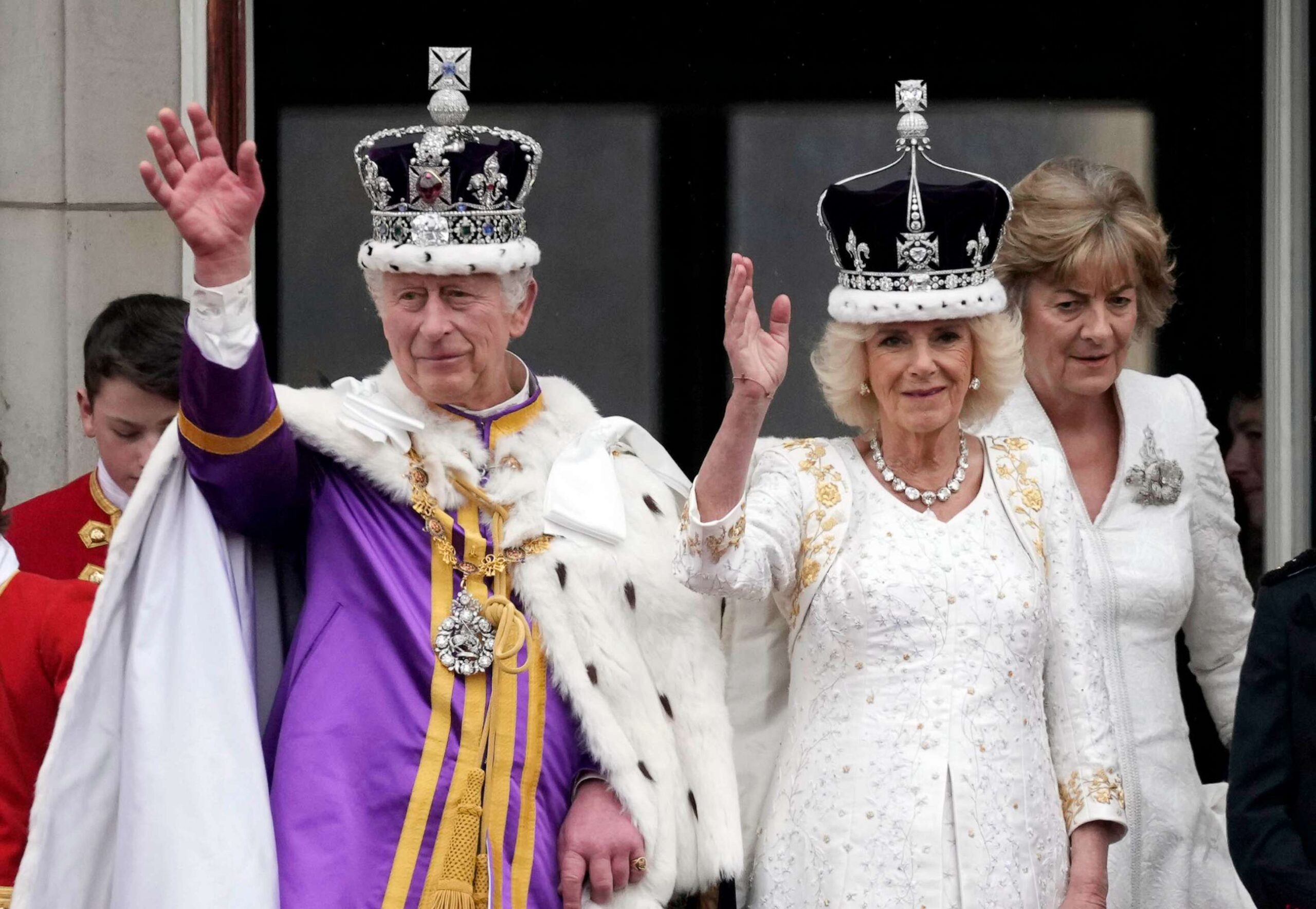
LONDON — As the countdown to King Charles III’s upcoming Caribbean tour begins, Buckingham Palace has clarified the monarch’s approach to one of the most sensitive issues on the agenda: Britain’s deep and brutal historical role in the transatlantic slave trade. While the king will not avoid confronting this shameful chapter of shared history, he will not issue a formal state apology for Britain’s actions, palace officials confirmed Friday.
Charles and Queen Camilla are set to kick off their multi-stop tour this month, with first stops in the Bahamas and Guyana, before traveling to Antigua and Barbuda to participate in the biennial Commonwealth Heads of Government Meeting (CHOGM), scheduled to run from November 1 to 4. The tour comes at a moment of mounting international pressure, with Caribbean and African governments increasingly demanding reparations from former colonial powers for the systemic harm and intergenerational inequality created by the transatlantic slave trade — an issue that is expected to dominate discussions at this year’s CHOGM.
The British government has repeatedly rejected calls for financial reparations for slavery, and Buckingham Palace has emphasized that decisions on both compensation and formal apologies fall under the purview of the elected government, not the monarchy. Charles, who remains the ceremonial head of state for multiple Caribbean nations including the Bahamas and Antigua and Barbuda, has previously publicly expressed his deep sorrow for the atrocities of slavery.
“There are important discussions taking place in various fora about colonial legacy and the intergenerational impact of the transatlantic trade in enslaved persons,” a Buckingham Palace spokesperson told reporters. The spokesperson added that the tour arrives at a pivotal juncture in the evolving relationship between the United Kingdom and its former Caribbean colonies.
“The visit program will therefore not shy away from ‘the darkest days of our past’, as his majesty has described them, but – in keeping with the wishes of our host nations – it will principally be oriented to the vibrant present and promising future of each country,” the spokesperson said.
Historical records document that between the 15th and 19th centuries, European colonial powers abducted and trafficked at least 12.5 million African people into chattel slavery across the Atlantic. Britain, one of the most active slave-trading powers, transported an estimated 3.2 million enslaved Africans — the second largest volume among European nations, only trailing Portugal.
As head of the 56-nation Commonwealth, a bloc made up primarily of former British colonies that is home to roughly 2.7 billion people globally, Charles has supported ongoing academic research into the British monarchy’s own historical ties to the slave trade. Just last month, Jamaica’s government formally requested that Buckingham Palace pursue legal guidance on Britain’s obligation to pay reparations, and officials noted they were “encouraged” by the palace’s willingness to engage on the topic.
“It is important to note here the work his majesty himself has done over many years both to acknowledge the wrongs of the past and to find creative ways to right inequalities that endure,” the palace spokesperson added. Back in February, Commonwealth Secretary-General Shirley Botchwey told Reuters she expected member states to make tangible progress toward opening formal negotiations on reparations during this year’s CHOGM.