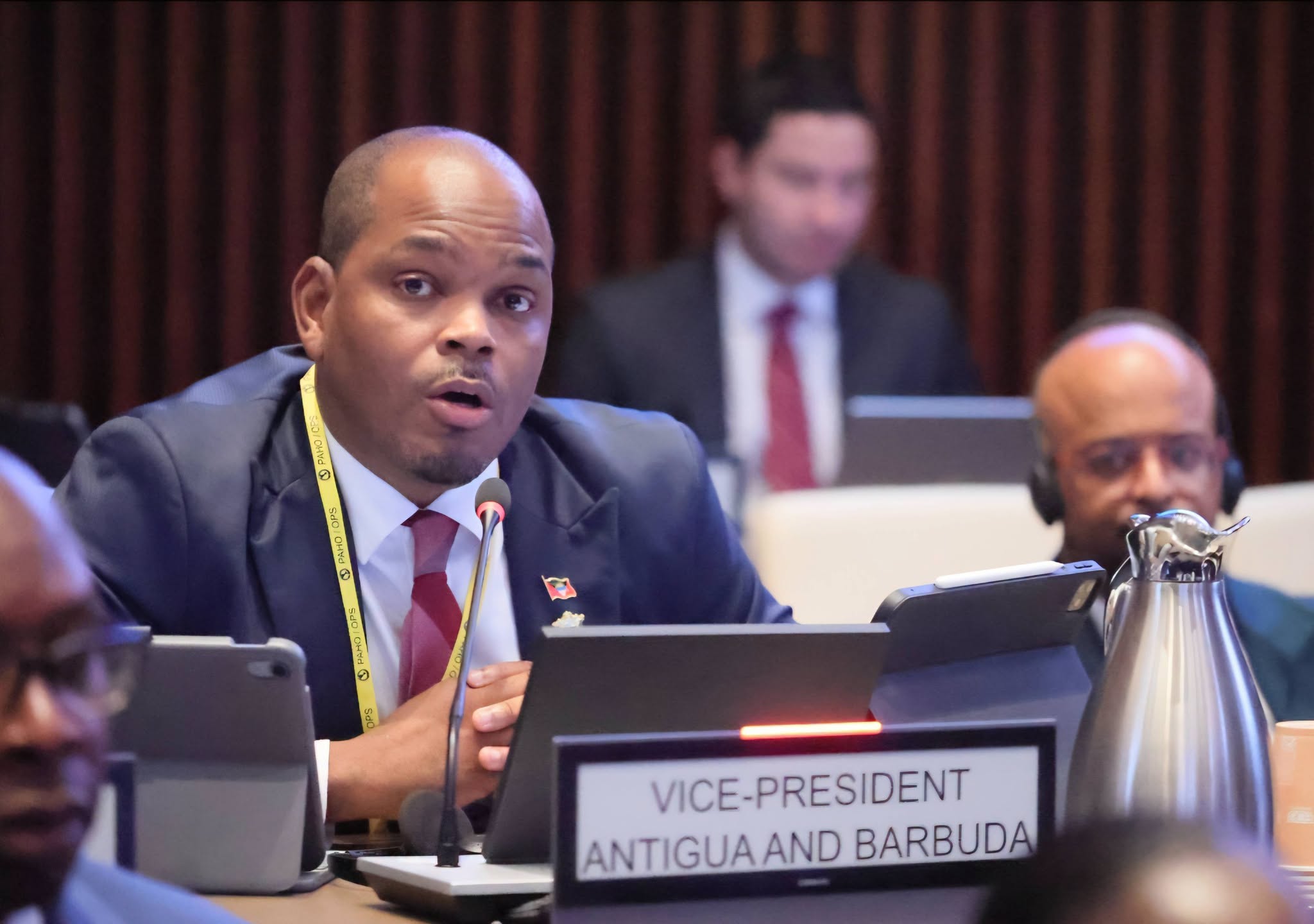
In a significant milestone for Caribbean regional health engagement, Antigua and Barbuda has been elected Vice-President of the 63rd Directing Council of the Pan American Health Organization (PAHO), marking a major expansion of the small island nation’s role in shaping regional health policy and high-level decision-making. The nation’s delegation at the Washington D.C.-based meeting, which runs from September 28 to October 2, 2026, is led by Honorable Michael Joseph, Minister of Health, Wellness, Environment and Civil Service Affairs, who formally took on the vice-presidential role during the opening proceedings of the assembly.
The annual PAHO Directing Council convenes health ministers and senior public health leaders from every country across the Americas, creating a collaborative platform to tackle shared regional health challenges, align priorities, and deepen cross-border coordination in public health. During the session, Minister Joseph delivered Antigua and Barbuda’s official statement under Agenda Item 3.2, where he offered formal recognition of PAHO Director’s annual report, titled *Delivering Health Gains across the Americas through Resilience and Innovation*.
In his address, Joseph spotlighted the longstanding and multifaceted technical support PAHO has extended to Antigua and Barbuda across a wide range of public health domains. This critical assistance includes foundational support for developing the nation’s National Strategic Plan for Health 2026–2031, targeted disease elimination programs—most notably efforts to eradicate cervical cancer, and sustained work to maintain the region’s hard-won status of eliminating mother-to-child transmission of HIV and syphilis. Additional areas of partnership include strengthening national pandemic preparedness frameworks, expanding access to mental health services, and rolling out the WHO-led HEARTS Initiative to reduce the burden of cardiovascular disease.
Joseph also specifically praised PAHO’s Revolving Fund for Access to Vaccines, which has been instrumental in shoring up Antigua and Barbuda’s Expanded Programme on Immunization at a time of growing global challenges: rising public vaccine hesitancy and soaring international transportation costs that have strained supply chains for many small island developing states. Other ongoing collaborations include support for implementing the Global School-based Student Health Survey and Global Youth Tobacco Survey to generate evidence for youth health policy, upgrading national laboratory capacity through the global Pandemic Fund, and integrating the Information Systems for Health framework to boost the country’s disease surveillance capabilities.
A core priority Antigua and Barbuda will emphasize during its vice-presidential tenure is strengthening global and regional investment in health workforce development and health infrastructure, which Joseph framed as non-negotiable foundations for advancing sustainable development and universal health coverage across the Americas. The minister closed by reaffirming Antigua and Barbuda’s deep gratitude for PAHO’s enduring partnership, and restated the nation’s unwavering commitment to advancing health equity, building systemic public health resilience, and improving health outcomes for all populations across the region.
For Antigua and Barbuda, the elevation to the vice-presidency of PAHO’s governing body is more than a ceremonial honor: it grants the small island nation a formal seat at the table to shape regional health strategy, contribute its unique perspective as a small developing state to key council deliberations, and advance collaborative progress on the shared health priorities that unite countries across the Americas.