A sweeping overhaul of Antigua’s firearms legislation is moving forward in Parliament, with the Firearms (Amendment) Bill 2026 introducing drastically harsher mandatory minimum penalties for individuals convicted of illegal firearm and ammunition possession. Attorney General Sir Steadroy “Cutie” Benjamin laid out the revised sentencing framework to the House of Representatives on Monday, framing the bill as a direct governmental response to a rising tide of gun-related violence that has shaken public confidence in community safety.
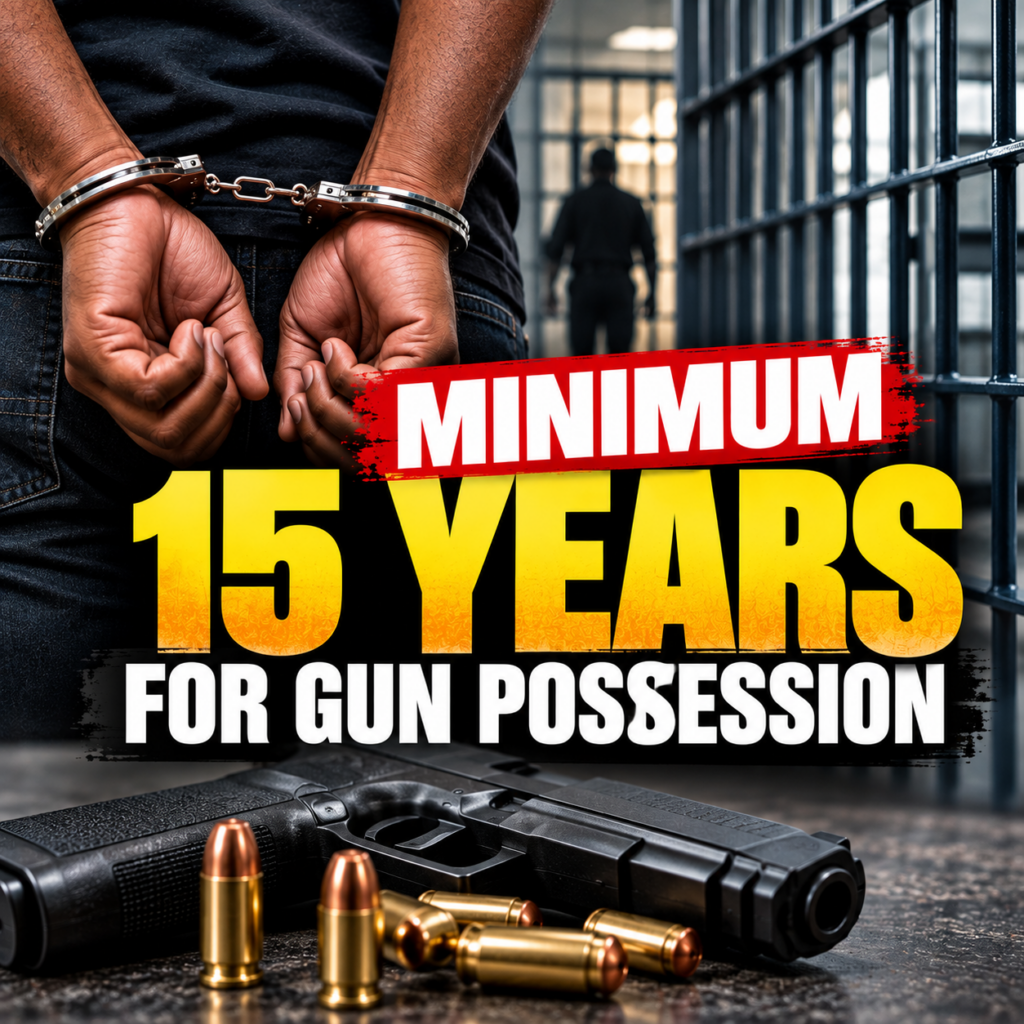
Under the proposed legislation, the penalties for illegal firearm possession are split by the type of conviction. For cases handled through summary conviction, offenders will face between five and 10 years behind bars. For more severe cases that result in conviction on indictment in the High Court, the bill enshrines a mandatory minimum 15-year prison sentence – a sharp increase from current sentencing guidelines.
Benjamin told lawmakers that the stricter penalties come in response to widespread criticism that existing sentences have failed to deter gun crime, and that the government is determined to send an uncompromising message to anyone involved in the illegal firearms trade. “If you commit the crime, you do the extended time,” he stated, emphasizing the need for substantially longer sentences to disrupt illegal gun activity.
The attorney general pointed to a string of high-profile violent incidents to justify the legislative change, including the recent Bathlodge shooting that left a pregnant young woman dead, a 13-year-old boy with severe facial gunshot wounds, and a third person injured. He added that public anxiety over gun violence has reached new heights, noting that his office phone has been constantly ringing with constituents sharing their fears about growing insecurity.
The bill expands tougher sentencing to a range of other firearms-related offences as well. For unauthorised carrying of a gun or ammunition in designated public spaces, summary convictions will carry five to 10 years in prison. Benjamin referenced a recent incident at a political rally where shots were fired, causing attendees to flee in panic, as an example of why public space protections need to be strengthened. “We are not going to allow Antigua to become a gangster place,” he said.
Other penalties laid out in the bill include 15 to 30 year prison terms for conviction on indictment of illegal sale or transfer of firearms or ammunition. The same sentence range applies to individuals caught possessing a firearm with the intent to endanger life or cause serious bodily harm.
Benjamin acknowledged that mandatory minimum sentencing has drawn criticism from legal and advocacy circles, but defended the policy as a necessary emergency measure to address the current gun violence crisis. To address concerns about unjust outcomes, the bill includes a carve-out for exceptional cases: if a court finds a mandatory minimum sentence is clearly excessive or unfair, it can still issue the statutorily required sentence but attach a public certificate outlining its concerns, clearing the way for the defendant to file an appeal against the sentence.
As of the attorney general’s introduction of the bill, parliamentary debate on the Firearms (Amendment) Bill 2026 is ongoing in the House of Representatives, with lawmakers set to consider amendments and a final vote in the coming days.