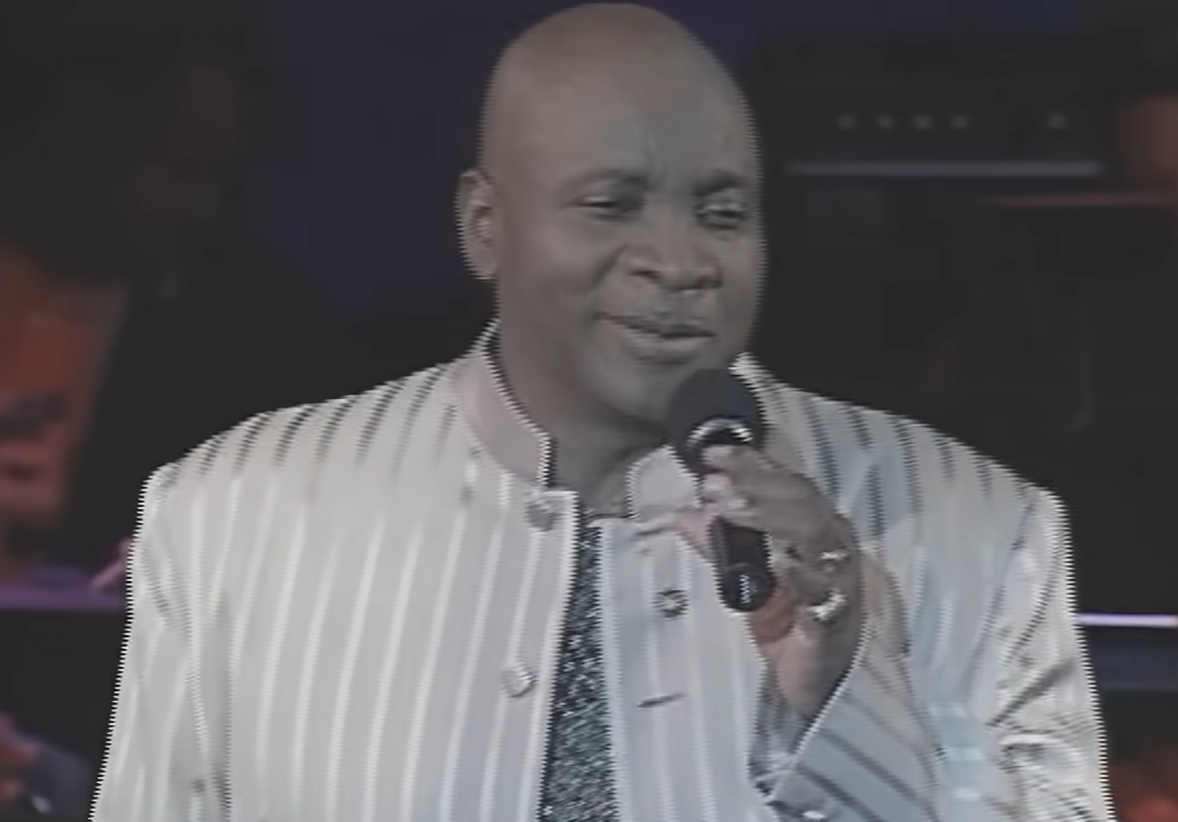
The global Caribbean community is mourning the passing of its most iconic musical voice: Slinger Francisco, better known to the world as The Mighty Sparrow, the undisputed “Calypso King” who shaped the genre for seven decades. He died on Sunday, September 27, at the age of 91 at his home in New York, surrounded by his family after a short illness. Confirmation of his death marked the end of an era, decades after a false rumor of his passing prompted Sparrow to respond in classic calypsonian fashion – penning a satirical track that cemented his reputation for quick wit and cultural commentary.
Within hours of the official announcement, social media platforms across the Caribbean and the global diaspora flooded with tributes, personal memories, and shared playlists of the legend’s most beloved work, a wave of homage that shows no sign of fading. Born in Grand Roy, Grenada, Sparrow built his legendary career in Trinidad, where he rose through the ranks of calypso performance to claim the coveted Calypso Monarch title eight times and also won eight Road March crowns. Today, both nations claim him as their own, a friendly rivalry that only underscores the depth of his cross-regional impact. Over his decades-long career, Sparrow produced more than 500 original tracks and released over 70 full albums, leaving a sprawling body of work that touched every corner of Caribbean life.
Beyond his chart-topping hits and carnival victories, Sparrow redefined what calypso – locally called kaiso – could be. For generations, kaiso served as the Caribbean’s living newspaper, open parliament, and public confessional, all set to infectious rhythm. As the genre’s leading voice, Sparrow acted as its chief editor, tackling every topic from Carnival pageantry and cricket matches to regional political federation, systemic inequality, human rights, and the excesses of unregulated capitalism. He did not just comment on the issues that mattered to Caribbean people – he made them dance while he talked, weaving sharp social critique into melodies that still get crowds moving decades later. In recent decades, though, public appreciation for the kaiso artform has waned, a shift that the legend’s passing has brought into sharp relief.
Veteran Caribbean journalist Julian Rogers, founder of Caribbean Bridges, knew Sparrow personally, having interviewed him multiple times over his media career and watched him perform at countless venues across the region. Rogers witnessed firsthand Sparrow’s decades-long private battle with diabetes, a chronic condition that disproportionately impacts communities across the Caribbean. When Sparrow turned 90, Rogers partnered with colleague Lillian Ceasar to draw attention to both the icon’s milestone birthday and the ongoing diabetes crisis facing the region, chronicling Sparrow’s fight with the disease in an original tribute song. That commitment to raising diabetes awareness has not ended with Sparrow’s passing, Rogers emphasizes.
“Every family in the Caribbean knows the devastating toll of diabetes. Too many of us have watched loved ones battle the condition, and it deserves far more public attention and action than it currently receives,” Rogers argues. That call to action accompanies a new original tribute Rogers has created, crafted with the help of modern AI tools, that weaves Sparrow’s most iconic song titles – from *Jean and Dinah* and *Carnival Boycott* to *Federation*, *Crown Heights Justice* and *Barack De Magnificent* – into a final farewell that imagines the man who informed the region for 70 years signing off like a veteran news anchor. The full track is published exclusively on the Caribbean Bridges Substack page.
As the Caribbean community gathers to honor the life and legacy of The Birdie, Dr. Sparrow, Slinger Francisco, Rogers reminds fans that their appreciation for the kaiso tradition should not end with tributes to those who have passed. There are still many working kaiso artists performing, writing, and keeping the tradition alive, playing in seasonal carnival tents that grow quieter and less attended each year. These artists deserve support, recognition, and celebration while they are still here to receive it, Rogers argues – there is no need to wait for the announcement of a death to honor the contributions of those who keep our cultural traditions alive.