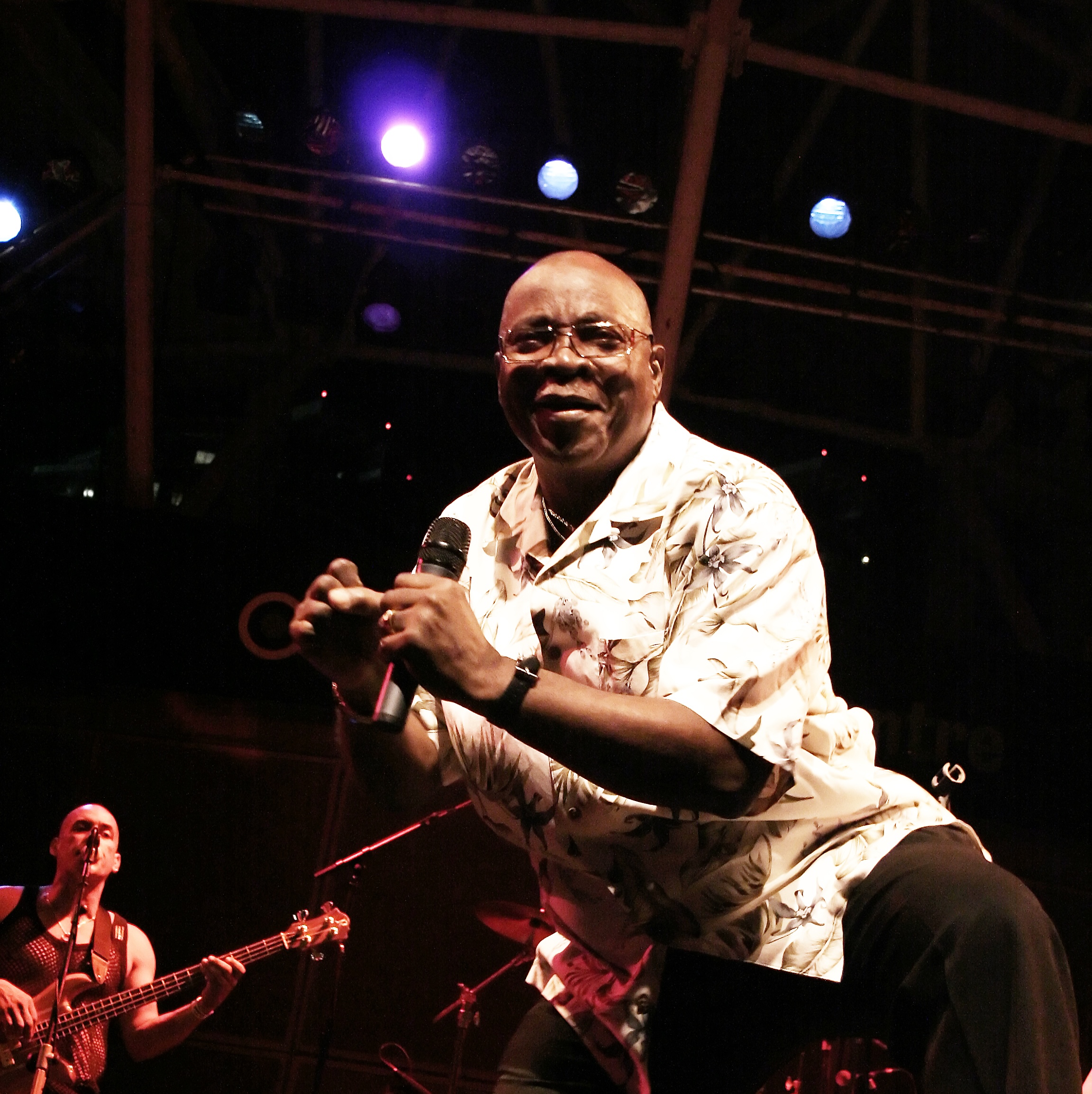
The global Caribbean cultural community is mourning the passing of iconic calypso artist Slinger Francisco, universally known by his stage name The Mighty Sparrow, who died at the age of 91. In a formal statement shared by his family, Francisco passed away peacefully on Sunday, September 27, 2026, at his home in New York following a short illness. He was surrounded by close family and loved ones in his final moments.
Born in July 1935 in the quiet village of Grand Roy, St John, Grenada, Francisco moved to Trinidad and Tobago at the age of two, settling in the Port of Spain neighbourhood of Laventille, where his artistic journey first took root. As a young boy, he cut his musical teeth singing in his school choir before joining a local community steelband, where his electric stage presence and natural charisma earned him the early nickname “Little Sparrow” — a moniker that would evolve into the legendary stage name that captured the imagination of generations: The Mighty Sparrow.
Francisco rose to prominence as a defining force in calypso music in the 1950s, claiming both the coveted Calypso Monarch and Road March titles in 1956 for his breakout hit “Jean and Dinah”, a track that remains one of the most celebrated works of his early career. Over a seven-decade-long career, he would go on to win both of Trinidad and Tobago Carnival’s most prestigious awards eight times each, cementing his status as the most decorated artist in the history of the island nation’s Carnival tradition.
Unlike many performers of his era, Francisco never limited his craft to pure entertainment. Blending sharp satire, disarming wit, and incisive social observation, he used calypso as a platform to examine pressing issues including colonial politics, racial justice, regional social change, interpersonal relationships, and the everyday rhythms of Caribbean life. His sprawling discography includes dozens of enduring classics, from “Dan Is the Man” and “Congo Man” to “Slave”, “Obeah Wedding”, and “Doh Back Back”. His work carried the distinct cadence, humour, and unfiltered perspective of Caribbean society to audiences far beyond the region, turning calypso from a local folk tradition into a globally recognized art form.
The Caribbean Community (Caricom) has highlighted that Francisco’s legacy is deeply rooted in both of his home nations: his birthplace Grenada, and Trinidad and Tobago, where he built his iconic career. The regional bloc described him as one of the Caribbean’s most beloved entertainers, incisive social commentators, and effective cultural ambassadors, who played a central role in shaping a distinct cross-national Caribbean identity recognized across the globe. His many honours include Trinidad and Tobago’s highest civilian award, the Chaconia Gold Medal, an honorary Doctor of Letters from the University of the West Indies, and the Order of the Caribbean Community, which recognized him as “a celebrant, chantwell, warrior, prophet, [and] satirist” for his contributions to global Caribbean culture.
For Grenada, Francisco’s passing marks the loss of one of its most internationally celebrated cultural figures, who never strayed from his Grenadian roots despite building his career abroad. For generations of Caribbean people at home and in the diaspora, his music formed the soundtrack of Carnival, community gatherings, and everyday life — capable of getting crowds laughing, dancing, and singing, while also pushing audiences to confront hard truths about regional society.
In their tribute, Francisco’s family remembered him not only as a legendary artist but as a loving husband, father, grandfather, great-grandfather, life partner, and friend. They also shared that in his final days, Francisco embraced Christianity and was baptized into the Seventh-day Adventist faith.
Since news of his death broke, tributes have poured in across the Caribbean and the global music community, honoring a artist whose life mirrored the creativity, complexity, and migratory history of the Caribbean itself. As the Caribbean grieves the loss of a voice that defined seven decades of regional culture, his work will continue to resonate with audiences for generations to come.