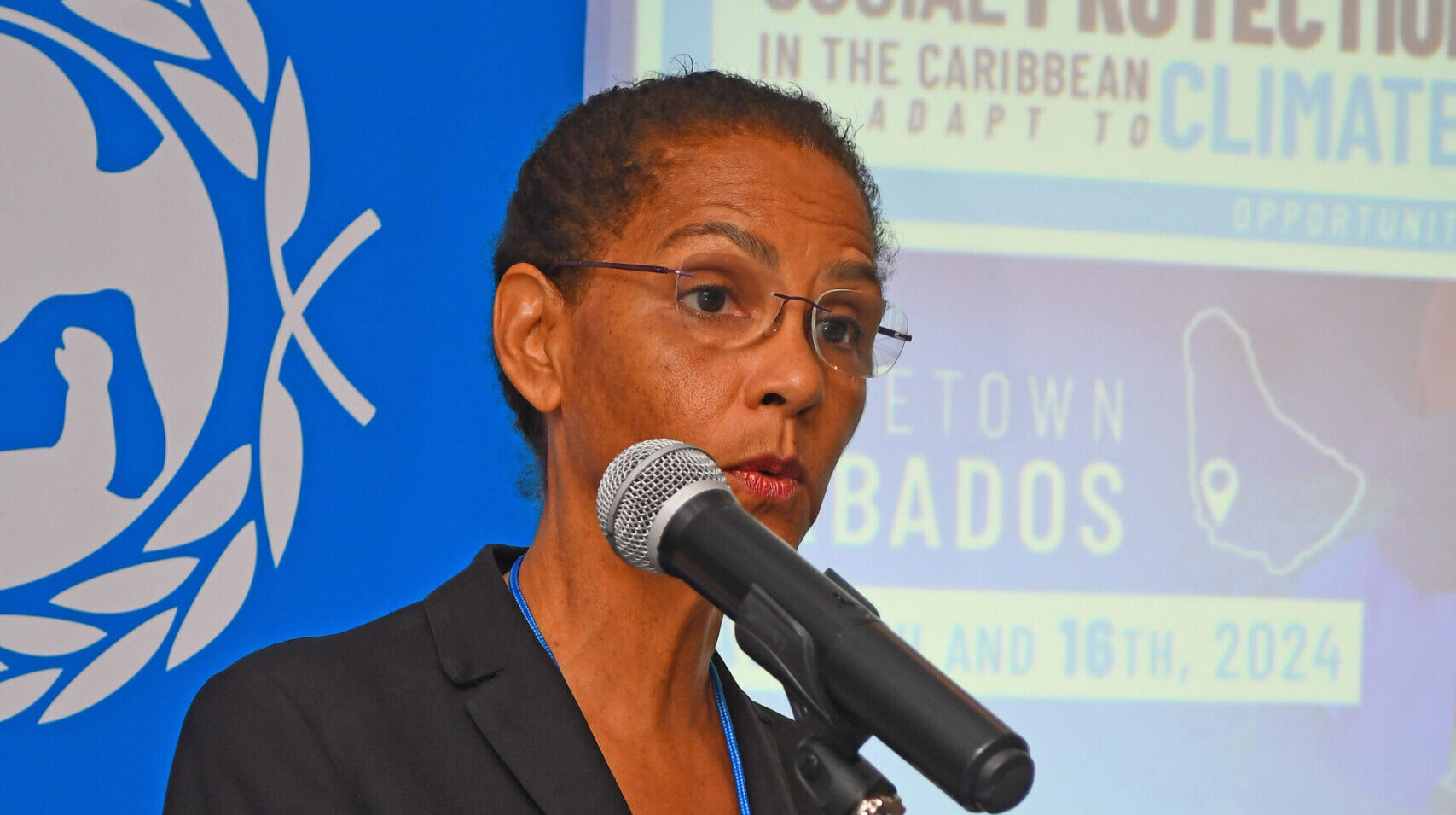
The Caribbean region, long defined by its deep ties to marine ecosystems and small-scale fishing industries, is facing accelerating climate-driven threats that put food security, local livelihoods and economic development at risk. In a major step forward to address these shared challenges, the second phase of the Climate Change Resilience in the Caribbean Fisheries Sector Project (CC4FISH-II) officially launched at an inception meeting hosted in Dominica on September 15, 2026.
At the opening of the event, Dr. Renata Clarke, Sub-Regional Coordinator for the Caribbean with the United Nations Food and Agriculture Organization (FAO), emphasized that transboundary climate impacts cannot be solved by individual nations acting alone, making coordinated regional action non-negotiable for long-term success. Clarke framed the $12.55 million initiative, fully funded by the Global Environment Facility (GEF), as far more than an environmental intervention: it is a targeted investment in the sustainable future of the entire Caribbean region.
“CC4FISH-II represents an investment in the future of the Caribbean. It demonstrates the power of regional collaboration in addressing shared challenges facing the Caribbean’s fisheries sector,” Clarke told attendees. She added that the project creates a critical opening to reinforce the fishing sector’s ability to absorb climate shocks, while protecting vulnerable marine ecosystems and upholding the well-being of the millions of Caribbean people whose lives and incomes depend on healthy fisheries.
The Caribbean’s fishing industries have increasingly come under strain in recent decades. Rising ocean temperatures, ocean acidification, and extreme weather events have driven declining fish stocks, widespread marine biodiversity loss, and severe degradation of critical coastal habitats including coral reefs and mangroves that serve as breeding grounds for commercial fish species. These ecological shifts have rippled through local economies, threatening household food security, eroding livelihoods for small-scale fishing communities, and slowing broad-based economic development across the region.
CC4FISH-II will be executed by the Caribbean Community Climate Change Centre (CCCCC), in strategic partnership with FAO and a network of regional and national stakeholders. The new program builds on the outcomes and lessons learned from the first phase of CC4FISH, which ran from 2017 to 2022 across seven Eastern Caribbean nations, and will support on-the-ground climate resilience interventions through to 2030.
Five countries are positioned to directly benefit from the initiative: Dominica, Grenada, Saint Kitts and Nevis, Saint Vincent and the Grenadines, and Trinidad and Tobago. Unlike large-scale, one-size-fits-all development projects, CC4FISH-II centers the needs of marginalized groups that form the backbone of the Caribbean fishing industry: small-scale fisherfolk, small boat owners, artisanal fish processors, local vendors, cross-border traders, and tight-knit coastal communities. A core priority of the project is expanding economic opportunities, boosting leadership representation, and strengthening livelihood resilience for women and young people, groups that are often underrepresented in regional fisheries governance but play an outsized role in sustaining the sector.
Closing her remarks, Clarke reaffirmed the collective vision driving the initiative: “Together, we can strengthen resilience, protect marine resources, and create lasting benefits for communities throughout the region.”